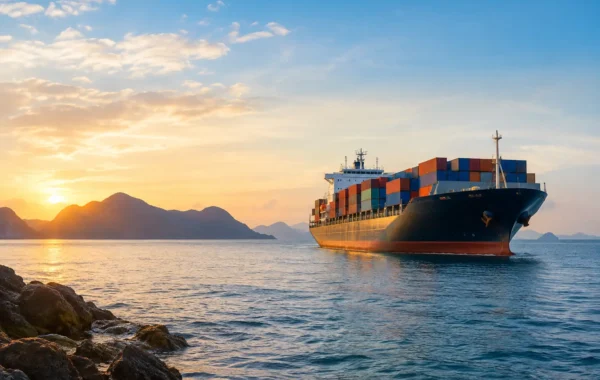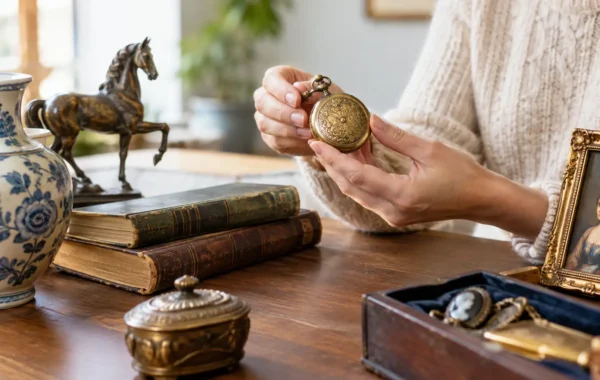
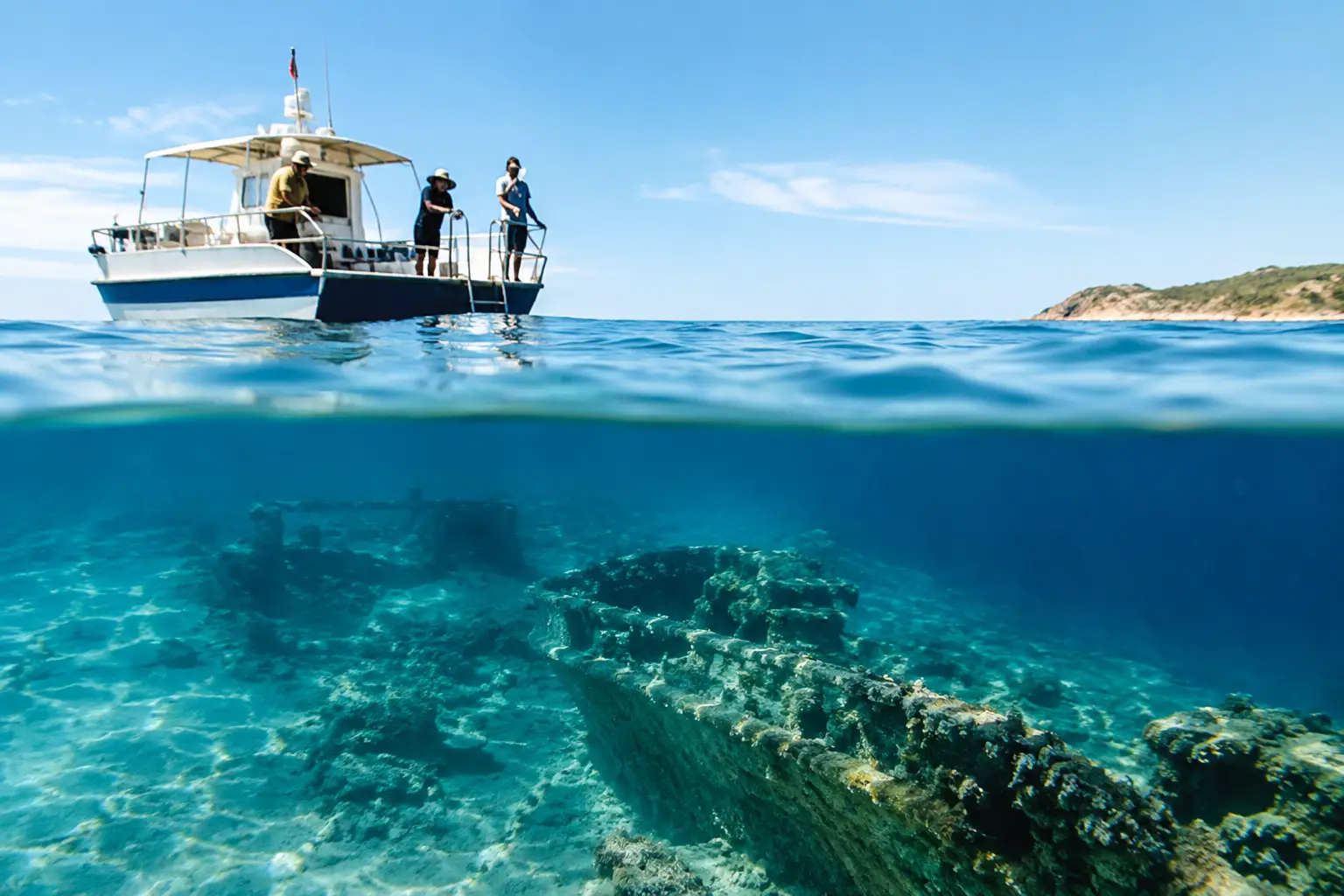

A porcelain bowl recovered from the seabed is never merely a beautiful object. Its glaze, kiln mark and place among a ship’s cargo can reveal what merchants valued, which ports were connected, and how Asia’s maritime world moved long before modern borders and container terminals. That is the particular appeal of maritime archaeology tourism: it makes the hidden history beneath the waterline tangible, intimate and unexpectedly relevant.
For travellers in historic port cities, this is an invitation to look beyond the familiar streetscape. A museum visit can become a journey through trade, craftsmanship, risk and exchange – all told through objects that survived storms, shipwrecks and centuries under the sea.
What makes maritime archaeology tourism distinctive?
Many heritage experiences begin with architecture or a famous event. Maritime archaeology begins with evidence that has travelled. A shipwreck cargo may bring together ceramics made in China, vessels sailing through Southeast Asian waters, merchants with far-reaching networks, and consumers whose tastes shaped production thousands of miles away.
That breadth gives shipwreck collections a rare storytelling power. A single storage jar may speak of everyday provisioning aboard a vessel; a finely painted dish may point to elite dining and international demand; a group of near-identical bowls can show that trade was organised at scale. Visitors do not need specialist knowledge to recognise the human drama in these objects. They only need to consider the distance between a workshop, a ship’s hold and the seabed where the cargo finally came to rest.
The strongest experiences also resist treating shipwreck ceramics as decorative curiosities. Their beauty matters, particularly the luminosity of porcelain and the subtle variation created by hand and fire. Yet the deeper reward lies in context: who made these wares, why they were loaded, where they were intended to go, and what their recovery can responsibly tell us now.
From seabed find to public story
Archaeology is often imagined as a moment of discovery. In reality, recovery is only the beginning. Artefacts lifted from marine environments require careful conservation, cataloguing and study. Salt can remain embedded in ceramic surfaces and other materials, while an object’s significance can be diminished if its original position and associations are poorly recorded.
For visitors, this behind-the-scenes labour is part of the story worth hearing. It explains why provenance matters and why authentic collections command such respect. A shipwreck object is meaningful not simply because it is old, but because it forms part of a documented historical record.
This is where museums play an essential public role. They turn specialist research into an experience that can be understood by families, collectors and curious travellers alike. Good interpretation does not overwhelm guests with technical terminology. It gives them enough detail to read an object with fresh eyes: the curve of a bowl, the cobalt-blue decoration, the trace of a journey across monsoon seas.
At Straits & Oriental Museum in George Town, authentic ceramics recovered from significant Asian shipwrecks including the Wanli, Turiang, Royal Nanhai, Nanyang, Xuande and Desaru offer precisely this encounter. Seen together, these collections document the splendour of porcelain while revealing Penang’s wider place within the maritime histories of the region.
Maritime archaeology tourism and the culture of ports
Ports are places where cultures meet, but their most consequential exchanges are not always visible in surviving buildings. Ships carried goods, skills, languages, recipes, beliefs and artistic ideas between coastal communities. The ceramics found in wrecks are physical evidence of that movement.
This perspective adds depth to a visit to George Town. Its built heritage, food culture and trading legacy are not separate attractions arranged for modern visitors. They are expressions of a long history of connection across the Straits and beyond. Maritime collections help place the city within that larger map, where the South China Sea and the Indian Ocean were routes of encounter as much as routes of commerce.
For international visitors, this can be a corrective to the notion that globalisation is entirely new. Trade networks were already sophisticated, demanding and culturally transformative centuries ago. For local visitors and families, it can create a more personal relationship with place. The past is no longer an abstract timeline; it is a story carried by objects that once passed through the waters close to home.
A cultural outing, not a hurried stop
The best heritage tourism leaves room for attention. Shipwreck artefacts reward a slower pace because detail is their language. The more closely one looks, the more questions emerge: why was this motif popular, who could afford it, how did it reach its destination, and what does its survival tell us about the ship that carried it?
A well-planned visit need not be solemn. It can be an elegant part of a day in the city, pairing galleries and exhibitions with a meal, coffee or a considered gift to take home. This is not a distraction from heritage. When done thoughtfully, hospitality gives people time to discuss what they have seen and allows a museum to become a living cultural meeting place rather than a room passed through in silence.
There is, however, a balance to maintain. Lifestyle elements should enrich the historical experience, not turn precious artefacts into scenery. The standard is simple: every part of the visit should deepen a sense of place, care and curiosity. A good museum setting makes history feel welcoming without making it weightless.
Why responsible visitation matters
Maritime archaeology tourism carries a responsibility that extends beyond the gallery. Shipwreck sites are vulnerable to looting, unregulated salvage and environmental damage. Once objects are removed without documentation, the historical relationships between them can be lost forever. A perfectly attractive bowl with no known context tells a far smaller story than one connected to a documented wreck, cargo and route.
Visitors can support better practice by valuing transparency, conservation and interpretation over spectacle. Questions are welcome: Is the collection authentically recovered? Is the history of the wreck explained? Does the presentation acknowledge both craftsmanship and context? These considerations distinguish cultural appreciation from the casual consumption of old things.
The same principle applies to photography and social sharing. Images can draw new audiences to heritage, especially when they capture the detail and beauty of an object. But the most memorable post is often accompanied by a real story: a trade route traced across the sea, a kiln tradition recognised in a pattern, or a reflection on the people whose work and ambitions filled a ship’s hold.
The enduring value of objects that travelled
There is something quietly moving about shipwreck ceramics. They were made to be used, traded and admired, not to lie beneath the sea for centuries. Their survival is accidental; their ability to speak to us is not. They retain the evidence of human choice – what was made, what was desired, what was carried, and where people hoped to go.
That is why maritime archaeology tourism deserves more than a passing glance. It offers beauty, certainly, but also a richer way to understand the waters that connect Asia’s coasts. Leave time to look closely, ask one good question of an object, and let the answer carry you far beyond the museum walls.