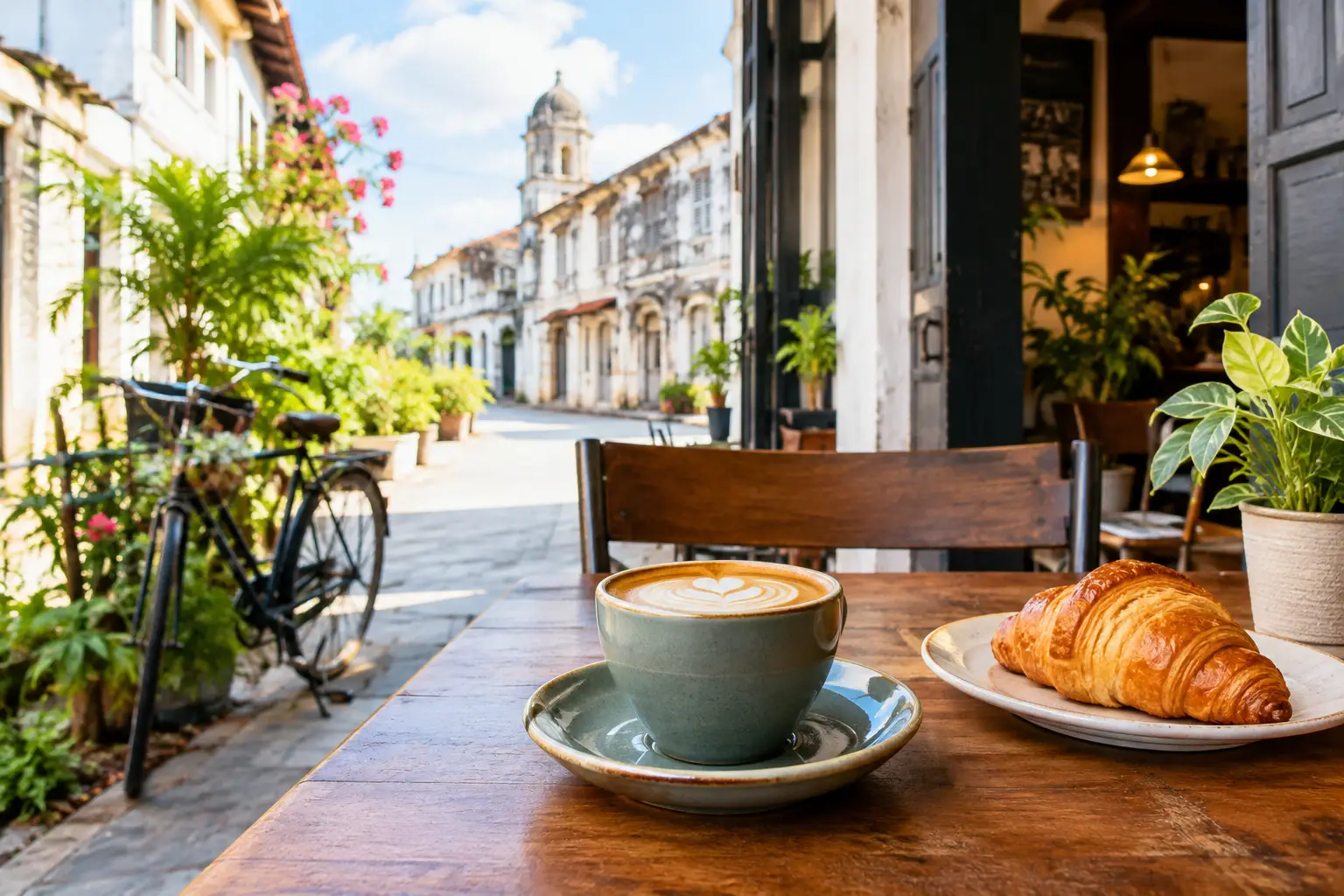

A Heritage cafe in Georgetown Penang should offer more than a pleasant table between sightseeing stops. In a city shaped by trade, migration and the daily theatre of the Straits of Malacca, the most memorable cafés give visitors a sense of where they are. They turn a pause for food or coffee into part of the story.
That distinction matters in George Town. Its historic streets reward unhurried attention: a carved shopfront, a five-foot way, the patina of old timber, the changing aromas of spice and rain-washed stone. A heritage setting adds depth to the occasion, particularly when it is connected to genuine objects and a place with a clear cultural purpose rather than decoration alone.
What Makes a Heritage Cafe in Georgetown Penang Worth Visiting?
A heritage café is not defined simply by vintage tiles or an antique-looking sign. Those details can be charming, but heritage has greater meaning when it is rooted in provenance. The building, objects, food, service and surrounding programme should work together to reveal something truthful about Penang and its connections with the wider region.
For cultural travellers, this creates a more satisfying rhythm than treating a meal as an interruption. A morning visit to a gallery or museum can lead naturally into lunch; an afternoon of wandering can finish with tea, conversation and a closer look at the details that first caught the eye. Families benefit too. Children often engage more readily with history when it is part of a relaxed, hospitable setting, not confined to a display label.
The strongest venues balance atmosphere with comfort. Heritage need not mean dim rooms, difficult seating or a reverent silence that makes visitors afraid to linger. Good hospitality provides room to rest, talk and reflect, while the setting supplies the sense of occasion.
Look for a story, not a theme
There is a meaningful difference between a themed café and one with a story. A theme can be assembled quickly. A story is earned through place, collection and interpretation.
In Penang, maritime history is especially resonant. For centuries, vessels travelled through these waters carrying ceramics, spices, textiles and ideas between China, Southeast Asia, India and Europe. The goods that crossed the sea did more than fill markets. They shaped tastes, dining rituals, architecture and the layered communities that make George Town distinctive.
When a café sits alongside an authentic cultural collection, that story becomes tangible. A cup of tea is no longer merely a drink in a photogenic room. It becomes an opportunity to consider the hands that made porcelain, the ships that carried it, and the ports that connected distant lives.
Pairing Food With Maritime Heritage
The pleasure of a café within a heritage destination lies in context. Food and drink give visitors a moment to absorb what they have seen, while the museum or gallery brings new meaning to the table. Neither experience needs to overwhelm the other.
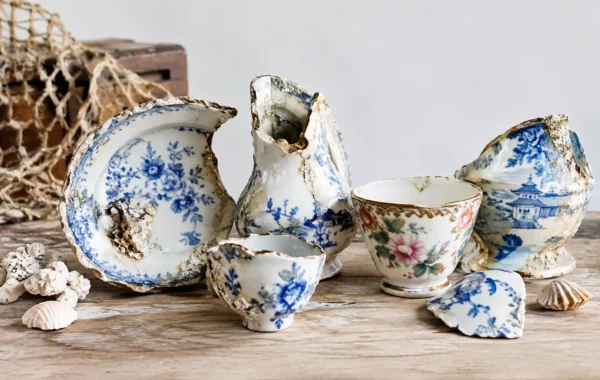
At Straits & Oriental Museum, the connection is unusually direct. As Penang’s first museum dedicated to maritime history and ancient shipwreck ceramics, its collection documents the splendour of porcelain recovered from significant Asian shipwrecks, including the Wanli, Turiang, Royal Nanhai, Nanyang, Xuande and Desaru. These are not reproductions designed to suggest the past. They are authentic artefacts whose survival carries the weight of long sea passages and centuries beneath the water.
A café visit in this setting can extend the museum experience at a gentler pace. After viewing forms, glazes and patterns created for trade across Asia, visitors may find themselves noticing the objects of everyday dining differently. Porcelain has always occupied both practical and ceremonial roles: it travels, it is exchanged, it marks hospitality, and it endures. That is a powerful story to encounter in a place where culture and contemporary leisure meet.
This is also why an integrated destination can be more rewarding than a conventional stop for refreshments. Rather than dividing the day into separate activities, it invites a fuller cultural outing. There may be time for exhibitions, art, a meal, a drink, and a considered browse through gifts or collectable pieces. For visitors with only a short stay in George Town, that variety is valuable. For those with longer to explore, it offers a refined place to return to.
How to Plan a More Meaningful Café Stop
Timing changes the experience. If you prefer quieter rooms and time to study displays, begin earlier in the day and make the café your considered pause afterwards. If your priority is a slower social occasion, visit later and allow the surrounding collection to set the tone before or after your table.
Travelling couples may choose to build a leisurely afternoon around art, conversation and refreshments. Families can treat the café as a welcome interval between exhibition spaces, using the objects they have seen as prompts for discussion. Ask younger visitors what they noticed in the patterns or which item they think travelled the furthest. A small question can transform a visit from passive viewing into shared discovery.
Collectors and design-minded visitors may wish to take more time. Shipwreck ceramics reveal much about changing forms, export markets and artistic exchange. Observe the subtleties rather than simply searching for a single dramatic object: the line of a bowl, the blue of a glaze, the repeating motif intended for a distant household. A café nearby provides the ideal place to sit with those impressions before moving on.
It helps to arrive with the right expectation. A heritage café is not always the fastest choice for a rushed itinerary, and it should not try to be. If the aim is only to grab a drink between appointments, a simple neighbourhood coffee counter may be more practical. But if you want a setting that gives the day texture and helps you understand Penang beyond its headline sights, it is worth setting aside the extra time.
Choose authenticity over spectacle
George Town has no shortage of visually appealing places to eat and drink. Some are lively, some highly stylised, and some designed principally for a quick photograph. There is nothing wrong with a beautiful setting, but visual appeal becomes richer when it is accompanied by substance.
Seek spaces that respect the character of their surroundings and can explain what makes them significant. Is there a real relationship between the venue and the building? Does the collection have provenance? Does the cultural programme invite people to learn, not simply pose? Are hospitality and heritage treated as complementary rather than competing ideas?
These questions help visitors spend their time well. They also support a more thoughtful form of tourism, one that values preservation, scholarship and local cultural life. In a historic city, every worthwhile visit can contribute to the ongoing relevance of its stories.
A Place to Linger With Penang’s Past
The appeal of a heritage café ultimately lies in its ability to slow the gaze. George Town is often experienced at walking pace, yet its history unfolds even more clearly when visitors pause. Over food, tea or an evening drink, details that seemed distant can become personal: the fragile cargo of a wreck, the elegance of an ancient vessel, the enduring role of the Straits as a meeting place.
For the visitor, this is a more generous kind of leisure. For Penang, it is a way of keeping heritage alive through use, conversation and return visits rather than treating it as something sealed behind glass. Choose a café stop that gives you a reason to look again, then allow the city’s maritime past to accompany you as you continue through its streets.