
A meaningful journey does not begin at the ticket desk. It begins when a familiar street, a weathered doorway or a fragment of porcelain suddenly reveals the people, trade and ideas that once passed through it. The best heritage tours do more than point out old buildings. They turn a destination into a living story, with room for wonder, reflection and a good meal afterwards.
For visitors to historic places such as George Town, that distinction matters. A UNESCO-listed streetscape is remarkable on its own, but its deeper character lies in the connections between port and shop house, family tradition and migration, craft and commerce. Heritage is not simply what has survived. It is what we can still understand, value and carry forward.
What makes heritage tours worth taking?
A well-curated heritage experience gives shape to a place that might otherwise feel overwhelming. Historic districts are layered by nature. Temples, clan houses, colonial-era buildings, markets and waterfronts may sit only minutes apart, yet each belongs to a different chapter of the same wider story. Without context, visitors can admire the architecture while missing the currents that made it possible.
The right guide, museum or interpretive experience provides that context. It explains why a settlement grew where it did, who arrived by sea, which goods travelled through its port, and how communities made a home across generations. In Penang, maritime history is especially central. The island’s identity has long been shaped by exchange across the Straits of Malacca, where ships carried people, spices, textiles, ceramics and ideas between Asia and beyond.
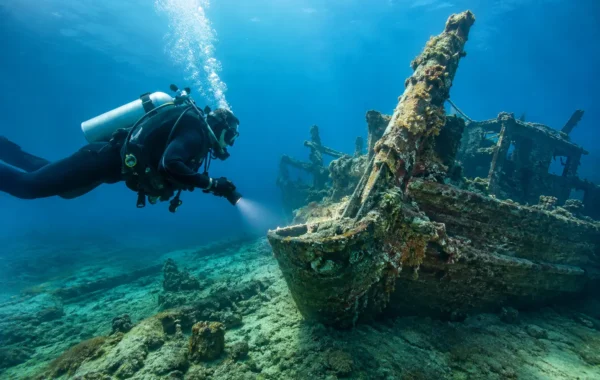
This is why authentic objects matter. A recovered bowl or storage jar is not merely decorative. It is physical evidence of a voyage, an appetite for beauty, a trading network and the risks of the sea. Seen closely, shipwreck ceramics give history a scale that a map alone cannot provide: the glaze, the firing marks, the hand that made the vessel, and the cargo hold in which it travelled.
Choose a heritage tour with a clear point of view
Not every heritage tour seeks to do the same thing, and that is part of the pleasure. Some are broad introductions, ideal for a first afternoon in a new city. Others focus on foodways, religious architecture, wartime history, craftsmanship or maritime trade. The best choice depends on the time available and the kind of memory you hope to take home.
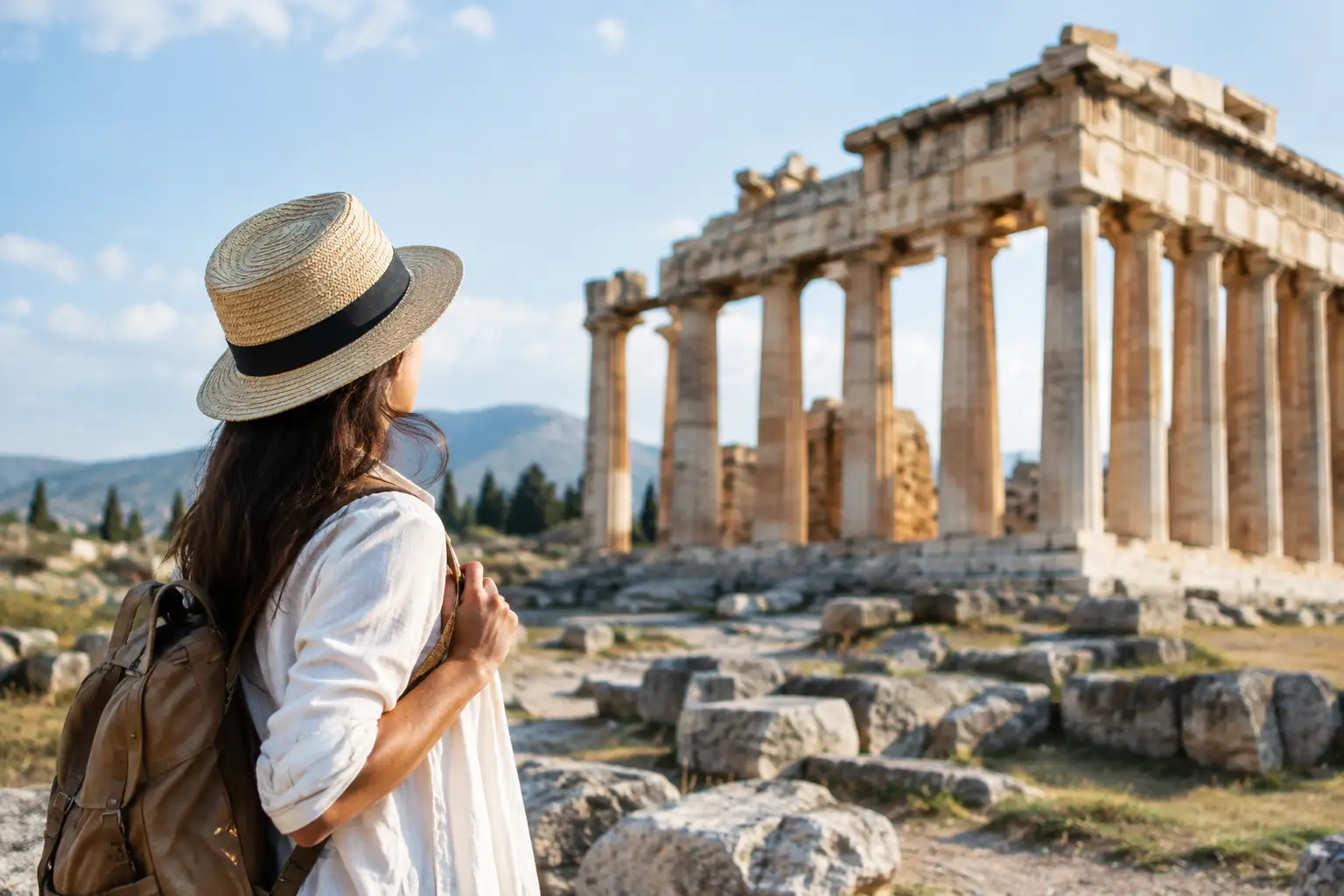
A walking tour can be excellent for reading a neighbourhood at street level. You notice the five-foot ways, shutters, tiled facades and details that are easily missed from a vehicle. It also makes sense for travellers who want to understand how communities still live and work within historic settings. The trade-off is that walking tours can cover only a small area, particularly in tropical heat, and their quality depends greatly on the guide’s knowledge and pacing.
Museum-led visits offer a different strength: concentration. Rather than trying to absorb centuries from a street corner, visitors can encounter carefully selected objects and stories in an environment designed for looking closely. This is especially valuable when the subject involves maritime archaeology. A shipwreck collection can bring together ceramics that were scattered across the ocean floor and place them back into a coherent historical narrative.
At Straits & Oriental Museum, authentic porcelain and ceramic artefacts recovered from Asian shipwrecks invite visitors to consider Penang within a much larger regional world. The Wanli, Turiang, Royal Nanhai, Nanyang, Xuande and Desaru wrecks speak not only of loss at sea, but of the sophistication of Asian ceramic production and the remarkable reach of maritime trade. It is a perspective that turns a heritage outing into a journey through time.
Look for objects, stories and place together
The most rewarding heritage tours balance three elements. First, there should be something tangible to see: architecture, artefacts, documents, craft or landscape. Second, there must be a story that connects those details to real lives. Finally, the experience should remain grounded in place, showing why these histories happened here rather than somewhere else.
When one element is missing, the experience can feel incomplete. A beautiful building without interpretation becomes a backdrop. A guide reciting dates without physical reference can lose even an enthusiastic listener. A museum object displayed without cultural context may seem distant, however rare it is. The goal is not to make history simplistic. It is to make its complexity legible.
Ceramics are a particularly eloquent example. A blue-and-white dish may reflect imperial taste, technical expertise and international demand at once. Its survival beneath the sea adds another layer, preserving a moment in a voyage interrupted. Yet its story becomes most compelling when placed alongside the ports, merchants and communities that gave it purpose. Heritage is strongest when it reveals these relationships.
Allow time for unplanned discovery
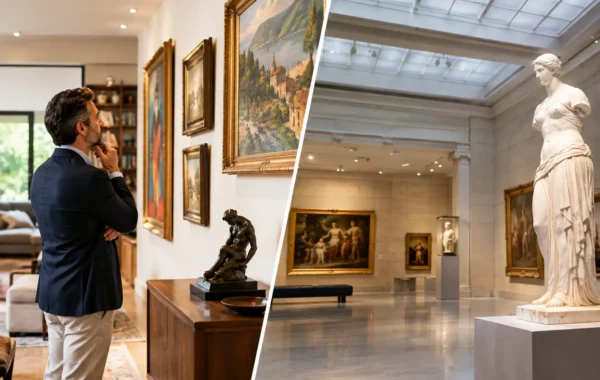
An overfilled itinerary can make even the finest historic destination feel like a checklist. Leave space after a guided visit to return to a detail that caught your attention, browse a gallery, speak with a curator or sit down for refreshments in a setting that continues the story.
This is not an indulgence separate from cultural travel. Food, conversation and atmosphere can deepen an encounter with heritage when they are thoughtfully connected to place. A café in a cultural venue, a considered restaurant meal or a beautifully made object from a gift house gives visitors time to process what they have seen. It allows history to settle into the senses rather than disappear into a mobile phone gallery.
Families may find this slower rhythm especially useful. Younger visitors often respond first to a striking object, a dramatic shipwreck tale or the idea of buried treasure. From there, adults can help connect curiosity to larger themes: how goods were made, why sailors travelled, and what it means to preserve material culture for future generations. A successful family heritage visit does not require every person to absorb the same facts. It creates a shared experience with several ways in.
Ask better questions while you travel
The value of heritage tours often depends on the questions visitors bring with them. Instead of asking only, “How old is this?”, try asking who used it, what it travelled through, or whose labour made it possible. Ask what has changed and what has endured. Ask whether a tradition is being preserved as a living practice or presented as a memory of the past.
These questions also encourage respectful travel. Historic places are not theatre sets, and cultural objects are not props. They may hold religious, familial or communal meaning that deserves care. Photography rules, dress guidance and requests not to touch are not barriers to enjoyment. They are part of protecting what makes the experience worth having.
For collectors and connoisseurs, curiosity should include provenance. The appeal of antique ceramics is understandable: each piece can carry extraordinary artistry and historical resonance. But responsible appreciation starts with clear documentation, lawful acquisition and respect for archaeological context. An object’s story is richer when its origins are properly known.
Make heritage part of the whole journey
A memorable cultural itinerary need not choose between learning and leisure. The finest experiences recognise that visitors want both: the intellectual pleasure of discovery and the simple delight of spending time somewhere beautiful, welcoming and distinctive. A museum visit can sit naturally alongside gallery viewing, dining, conversation and a carefully chosen souvenir, provided each element honours the central story rather than distracting from it.
Heritage rewards attention. Take the slower street, pause before the object in the display case, and let one question lead to another. Long after the holiday ends, it is often that small moment of recognition that remains: a piece of porcelain, a port seen from the shore, and the sudden sense that history is still close at hand.