
George Town rewards visitors who linger. If you are asking, “What can I do in George Town besides visiting temples?”, think less in terms of ticking off sights and more in terms of following the city’s layers: the harbour, the shophouses, the food stalls, the family trades and the stories that arrived by sea.
This is a UNESCO-listed city best experienced at street level. A single morning might take you from a weathered pier to a Chinese coffee shop, past a century-old clan house and into a gallery filled with contemporary work. The pleasure lies in the contrasts: grand facades beside everyday life, old routes beside new ideas, and serious history served with an excellent plate of noodles.
What can I do in George Town besides visiting temples?
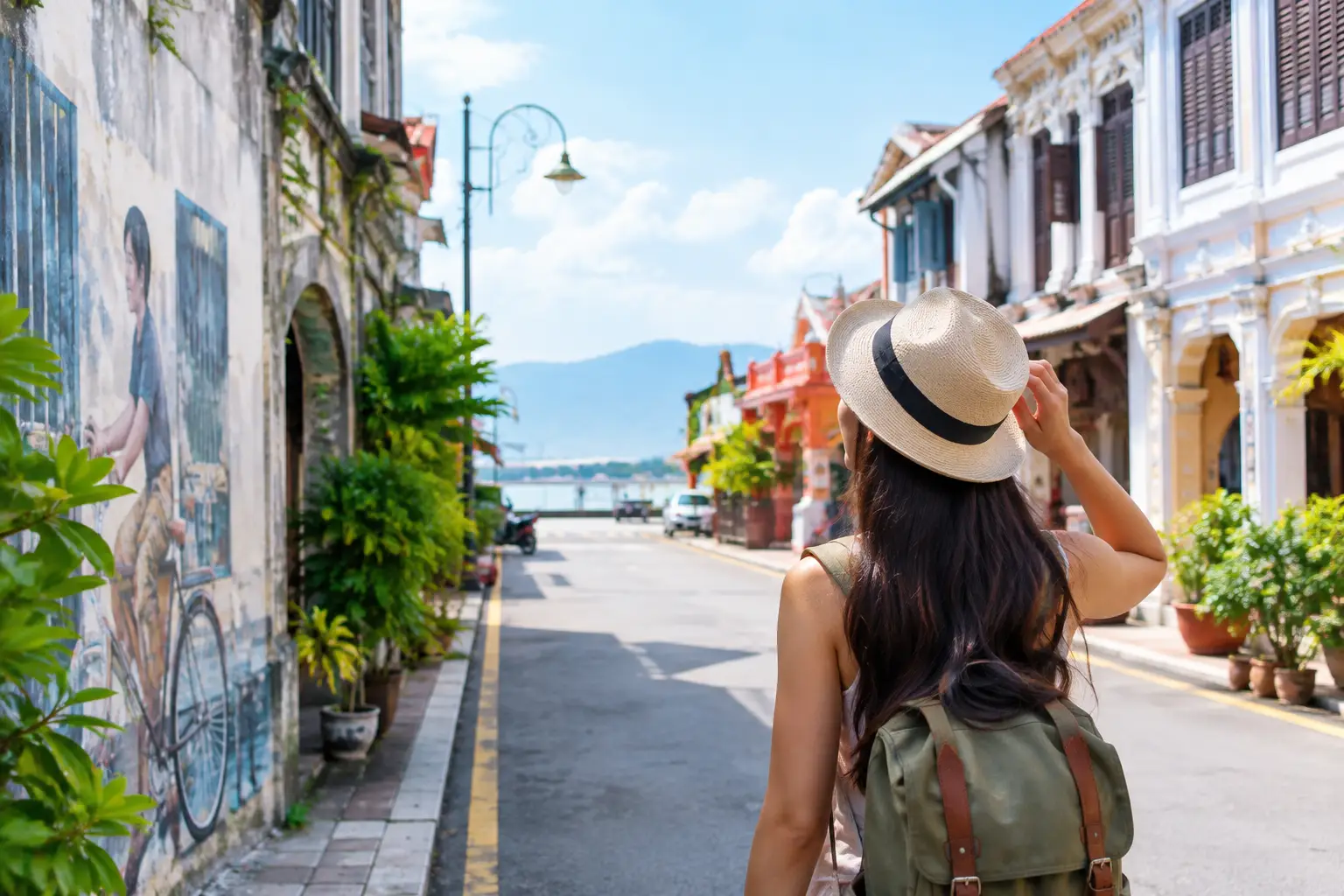
Walk the heritage streets with no rigid route
Begin in the old town, but resist the urge to treat it as an open-air checklist. George Town’s best details are often above eye level or just beyond the main thoroughfares: painted timber shutters, five-foot ways, tiled thresholds, hand-lettered signs and the faint patina left by monsoon seasons.
Armenian Street, Cannon Street, Love Lane and the lanes around Lebuh Chulia make a fine starting point. Street art is part of the appeal, particularly for first-time visitors, but it is more satisfying when seen as one element of a living neighbourhood rather than the whole purpose of the walk. Take time to notice the workshops, cafés and private homes around each mural.
Early morning is ideal if you prefer cooler pavements and softer light. Late afternoon brings a more sociable energy, though narrow streets can become busy. Wear comfortable shoes, carry water and allow room for detours. In George Town, a closed door, a sudden shower or a tempting kopi stop is not an interruption to the plan. It is usually the plan improving itself.
Visit the waterfront and the Clan Jetties
At the edge of the historic town, the Clan Jetties offer a direct connection to Penang’s maritime character. These wooden settlements were established by Chinese communities whose livelihoods were tied to the port, trade and the movement of goods across the region. The houses stand on stilts above the water, with narrow walkways leading past domestic shrines, letterboxes and small family businesses.
Chew Jetty is the most visited and the easiest to reach, which means it can feel crowded in the middle of the day. If you go, remember that this is a residential community, not a stage set. Keep voices low, do not peer into homes, and avoid blocking the walkway while taking photographs.
For a quieter sense of the shore, continue towards the Esplanade. The sea breeze, colonial-era civic buildings and views across the channel provide a useful change of pace after the close grain of the old streets. Around sunset, the waterfront feels especially generous.
Follow Penang’s maritime story through real objects
George Town did not become a cultural crossroads by accident. Its prosperity was shaped by ships, merchants, migrants and the trade routes that connected China, Southeast Asia, India and Europe. To understand the city beyond its architecture, make time for a museum experience that places Penang within that wider world.
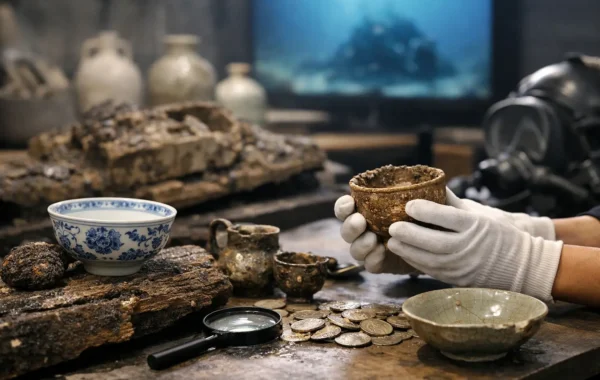
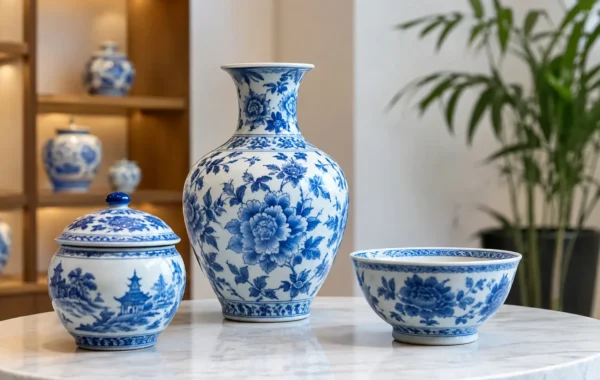
At Straits & Oriental Museum, authentic porcelain and ceramic artefacts recovered from Asian shipwrecks reveal how objects travelled long before modern tourism and container ports. Pieces associated with wrecks including the Wanli, Turiang, Royal Nanhai, Nanyang, Xuande and Desaru carry more than decorative value. They speak of cargo, craftsmanship, status, risk and the extraordinary reach of maritime exchange.
This is particularly rewarding for visitors who enjoy tangible evidence over abstract dates. A bowl that spent centuries beneath the sea can make the history of trade feel immediate in a way that a map alone cannot. The museum’s integrated setting also makes it easy to turn a cultural visit into a more leisurely outing, with art, dining, drinks and considered gifts part of the wider experience.
Eat with curiosity, not just appetite
Penang’s food culture is one of the clearest ways to encounter the city’s mixed heritage. Hawker dishes are rightly celebrated, but the real pleasure is choosing well rather than trying to eat everything in one afternoon. Char kway teow, assam laksa, nasi kandar, Hokkien mee, koay teow th’ng and cendol each tell part of a longer story about migration, ingredients and local preference.
A busy stall can be a good sign, but it is not the only measure of quality. Look for a dish that is being cooked to order, observe what local diners are having and accept that favourites are personal. One visitor may seek the smokiness of wok-fried noodles, while another will remember a tart bowl of assam laksa long after the holiday ends.
For a slower meal, seek out a restored shophouse restaurant or café and pay attention to the building as well as the menu. George Town’s dining scene ranges from humble and immediate to carefully composed. Both belong here. The best itinerary leaves space for each.
Step inside a mansion, shop or former godown
The city’s facades can only tell you so much. Entering its heritage buildings reveals the social worlds that once existed behind the shutters: merchant households, trading offices, guilds, warehouses and family businesses shaped by Peranakan, Chinese, Malay, Indian and European influences.
Historic mansions offer a close look at furniture, textiles, ceramics and domestic rituals, while independent galleries and creative spaces show that George Town is not frozen in the past. The contrast is valuable. Heritage is not merely something preserved behind glass; it is also a source of ideas for artists, designers, cooks and makers working in the city now.
If your interest is collecting, allow time for specialist shops and antique dealers, but buy thoughtfully. Ask about provenance, condition and export requirements, particularly for older items. A beautiful object is more meaningful when its history is clear.
Take a pause in the everyday city
Not every memorable experience needs an entry ticket. Order a kopi or tea and sit long enough to watch a neighbourhood wake up. Browse a bookshop. Visit a market in the morning, when baskets of herbs, fruit and fresh produce make the city feel most local. Listen for the overlapping languages of daily business and family conversation.
George Town can be intense in heat and humidity, especially between late morning and mid-afternoon. Rather than pushing through, plan a cool indoor stop, a long lunch or a return to your hotel. Rain often arrives quickly and leaves just as quickly, polishing the streets and changing the light. Flexibility is more useful than a packed schedule.
See the city after dark
Evening brings a different George Town. The temperature eases, cafés fill, bars open behind heritage facades and food courts begin their nightly rhythm. A gentle walk through the lit streets can be enough, particularly if your day has been full of museums and walking.
Choose the atmosphere that suits you. Couples may prefer an unhurried dinner followed by drinks in a restored building; families may be happier with a hawker supper and waterfront stroll. Those seeking nightlife will find it, but the city’s stronger charm is often its sense of occasion: a table beneath old tiles, a well-made drink, a story exchanged after a day of looking closely.
Leave one part of your visit unplanned. It might become a second cup of coffee, a conversation with a shopkeeper, a ceramic that catches the light, or a lane you would otherwise have missed. That is where George Town tends to stay with you.