
A memorable event begins before the first welcome drink is poured. It begins with the feeling guests have on arrival: the architecture, the objects in view, the sense that they have entered somewhere with a story worth hearing. Museum event venues offer precisely that rare advantage. They turn a dinner, reception or private celebration into an occasion with cultural depth, visual character and a genuine connection to place.
For hosts who want more than a handsome room, a museum provides a setting that is already rich in conversation. A single artefact can prompt curiosity. A carefully staged gallery can shift the mood from ordinary gathering to shared discovery. The best museum events feel considered rather than over-produced, allowing heritage, hospitality and human connection to hold equal importance.
Why museum event venues leave a lasting impression
Most event spaces can accommodate guests. Fewer can give them a sense of occasion without extensive decoration. Museums bring atmosphere that cannot simply be hired in: historic collections, purposeful curation, distinctive interiors and narratives formed over centuries.
This matters particularly for milestone celebrations, client receptions, cultural programmes and intimate corporate gatherings. Guests tend to arrive more engaged when there is something meaningful to encounter beyond the itinerary. Instead of asking only where to stand or what to order, they begin discussing a ceramic vessel, a trade route, a period in history or the craftsmanship behind an object.
For a destination such as George Town, this sense of place is especially valuable. A museum gathering can reflect Penang’s role as a meeting point of cultures, trade and ideas, rather than presenting an event that could have taken place anywhere. It gives visiting guests a more thoughtful introduction to the city, while allowing local hosts to celebrate its heritage with pride.
There is also a practical benefit. A museum’s visual identity often reduces the need for excessive styling. Thoughtful table settings, considered lighting and florals that complement rather than compete with the surroundings may be all that is required. The result can feel more refined, and often more personal, than a heavily themed venue.
The setting should serve the occasion
Not every museum space suits every kind of gathering. The right choice depends on guest numbers, event pace, accessibility needs and how central the collection should be to the experience. A formal dinner requires a different flow from a standing cocktail reception, while a family celebration may need more flexibility than a collectors’ talk or private viewing.
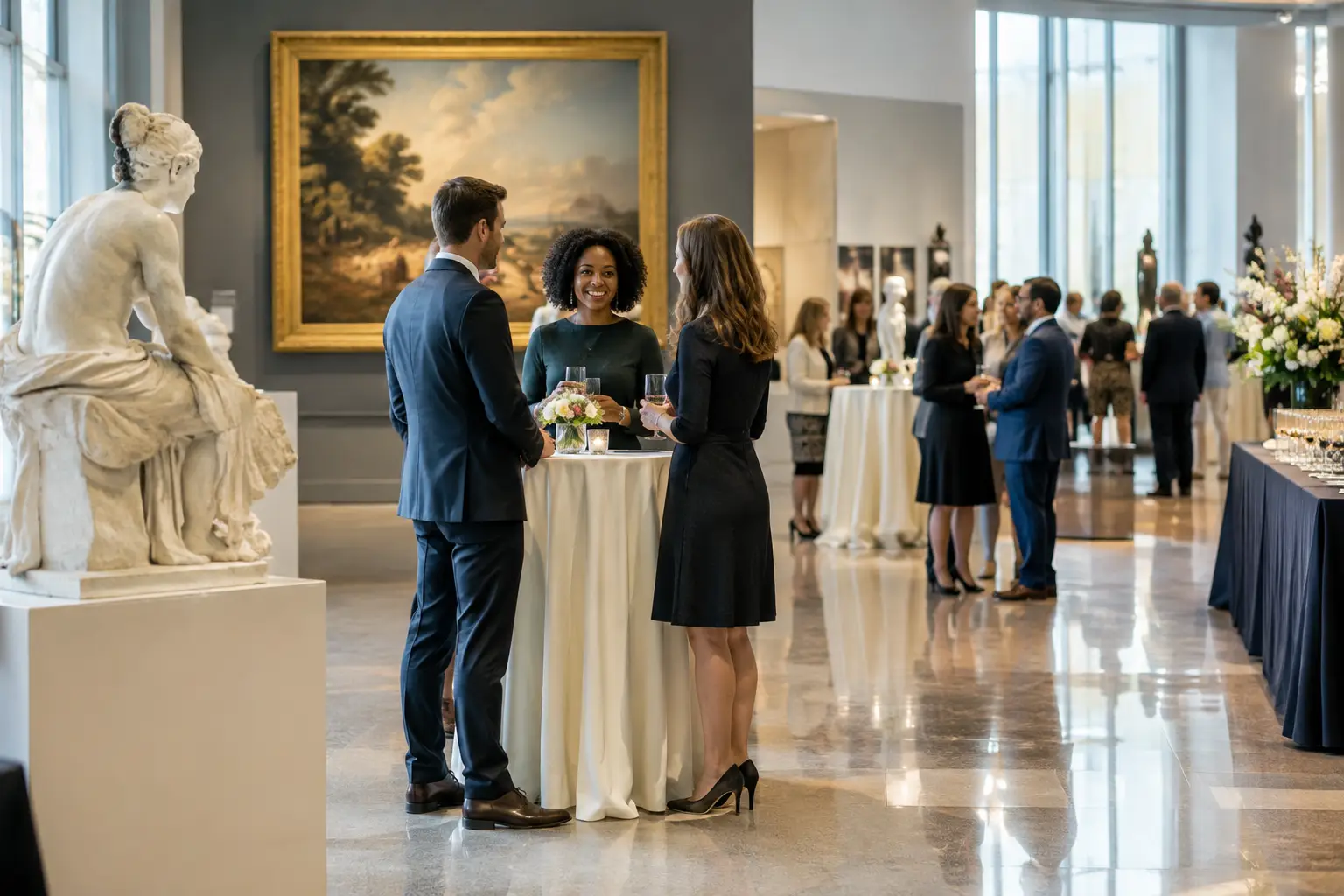
A gallery setting is ideal when the purpose is intimate and conversational. Guests can spend time with the displays before moving to dinner or drinks, creating a natural rhythm rather than a rigid programme. For a larger reception, a dedicated event area alongside exhibition spaces may work better, giving guests room to circulate while preserving the atmosphere of the museum.
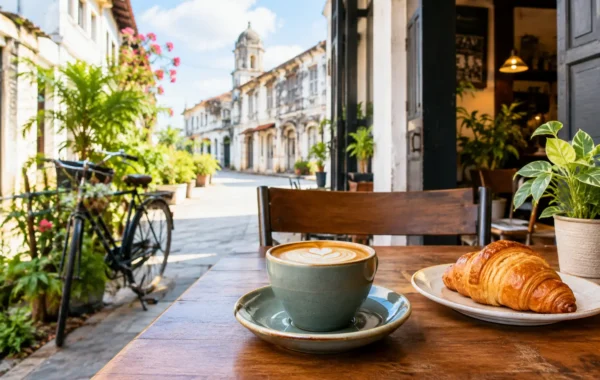
Consider, too, the level of formality. Museum venues are naturally elevated, but they need not feel stiff. A daytime gathering with coffee, pastries and a guided viewing can be warm and relaxed. In the evening, low lighting, thoughtful music and a well-composed menu can create a more ceremonial mood. The most successful format is one that respects the setting without making guests feel they must whisper throughout the occasion.
Build the experience around a story
The strongest museum events do not treat the collection as background decoration. They find an honest connection between the gathering and the museum’s story.
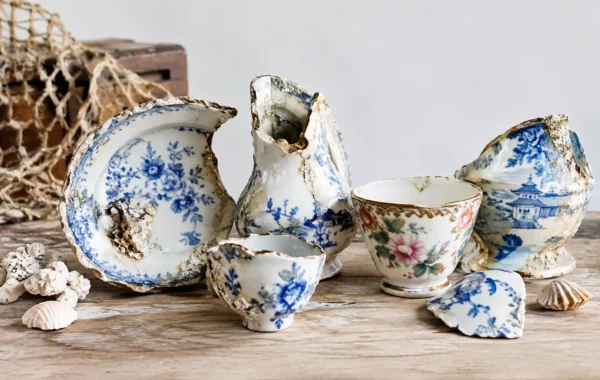
At Straits & Oriental Museum, for example, ancient ceramics recovered from Asian shipwrecks offer a compelling starting point. They speak of maritime journeys, cross-cultural exchange, craftsmanship and the enduring value of objects that have survived beneath the sea. A host might draw on this narrative through a short welcome, a private viewing or a menu inspired by the region’s trading cultures. There is no need to over-explain it. A few well-chosen details are often enough to give the event a distinct sense of place.
For a corporate gathering, the story may be about exchange, innovation or legacy. For an anniversary, it may be about journeys shared and milestones reached. For a small celebration, it may simply be the pleasure of bringing people together among beautiful things. The connection should feel natural. When it does, guests remember the atmosphere long after they have forgotten the seating plan.
Allow time for discovery
Museum collections deserve breathing room. If guests are rushed directly from arrival to speeches, the venue risks becoming a decorative shell. Build in a gentle period for browsing, perhaps with a host-led introduction or a brief curator-led perspective where available.
This does not mean turning the event into a lecture. A ten-minute insight can be more effective than an hour of information. The aim is to offer guests a key that opens the collection, then let their own curiosity take over.
Hospitality is part of the cultural experience
Food and drink have a powerful role in how guests remember a venue. In an integrated heritage and lifestyle destination, hospitality should feel like a continuation of the visit, not an afterthought squeezed between exhibition spaces.
A well-planned menu can reflect the time of day, the season and the character of the gathering. Lighter sharing dishes suit a daytime reception; a more composed dining experience may be appropriate for a formal celebration. Local flavours can ground the event in Penang, while familiar choices may be useful for international groups or guests with varied dietary requirements. The balance depends on the host and the audience.
Service matters just as much. Staff should understand the rhythm of a cultural venue: when to offer guidance, when to step back, and how to maintain a welcoming tone while protecting the collection. Museums hold irreplaceable objects, so some restrictions around food, drinks, photography, candles or décor are inevitable. These are not obstacles when discussed early. They are part of preserving the authenticity that makes the venue special.
Questions to settle before confirming a museum venue
A beautiful space should always be matched by clear practical planning. Before making a decision, ask how many guests can be comfortably accommodated in the intended format, whether private access is available, and which areas remain open to other visitors. Clarify arrival arrangements, parking or nearby transport, lift access and facilities for guests with mobility requirements.
It is equally wise to discuss timing. Some museums are best suited to evening events after public visiting hours, while others can host daytime occasions in dedicated areas. Ask about set-up windows, sound limitations, permitted suppliers and the procedure for any additional lighting, staging or entertainment. These details shape the atmosphere as much as the room itself.
Budget should be approached with the whole experience in mind. Venue hire is only one element. Catering, staffing, technical requirements, guided elements, security and styling may all affect the final figure. Yet a museum can offer value beyond square metres and seating capacity: it gives guests a curated cultural experience that would otherwise need to be created from scratch.
A venue that gives guests something to take away
The finest gatherings leave people with more than photographs. They leave a detail worth retelling: the gleam of porcelain made centuries ago, the story of a shipwreck cargo, the unexpected pleasure of dinner among objects shaped by distant hands and journeys.
That is the quiet distinction of choosing a museum. It sets the stage for celebration, but it also offers perspective. When planning your next occasion, seek a venue that makes room not only for your guests, but for wonder, conversation and a good story.