
A place earns the title heritage lifestyle destination Penang not through nostalgia alone, but through the rare ability to make history feel present. In George Town, heritage is not kept behind glass and left at a distance. It lives in restored streetscapes, in stories carried across the sea, in porcelain that outlasted empires, and in the way a cultural outing can become an entire day shaped by learning, dining, conversation and discovery.
That distinction matters. Plenty of destinations can offer old buildings, a museum visit or a good meal. Far fewer can bring these elements together with credibility and grace. Penang does so with unusual confidence because its identity has always been layered – mercantile, maritime, multicultural and visually rich. The result is not a staged version of the past, but a place where heritage continues to inform how people gather, interpret beauty and spend their leisure time.
What makes a heritage lifestyle destination in Penang different
A true heritage lifestyle destination in Penang offers more than preservation. It gives visitors a way to inhabit history rather than simply observe it. That means the cultural experience extends beyond labels and timelines. It enters the atmosphere of the space, the quality of curation, the rhythm of the visit and the opportunities to linger.
This is where Penang has a natural advantage. As a historic port with deep regional connections, it is uniquely placed to tell stories of trade, migration, artistry and exchange. Maritime history is especially powerful here because it explains not only how goods moved, but how ideas, tastes and craftsmanship travelled with them. Ceramics recovered from ancient shipwrecks, for instance, are not merely beautiful objects. They are evidence of an interconnected Asian world shaped by commerce, risk, diplomacy and desire.
For visitors, that turns a heritage outing into something more immersive. You are not simply looking at the remnants of the past. You are standing in a destination where the past still explains the present.
The appeal of heritage with contemporary comfort
There is a reason more travellers now seek cultural venues that feel welcoming rather than formal for formality’s sake. People want depth, but they also want ease. They want historical substance, yet they do not want a visit to feel dutiful.
Penang answers that expectation well because heritage here sits comfortably alongside modern hospitality. A thoughtfully designed museum, gallery or exhibition venue can lead naturally into a café, a refined meal, a quiet drink or time spent browsing beautifully chosen objects. That combination changes the tempo of the day. Instead of arriving for a quick visit and leaving after an hour, guests can settle in, move between experiences and let curiosity set the pace.
This integrated approach is especially compelling for couples, families and international visitors who want more from a single destination. One person may come for maritime archaeology, another for design, another for the pleasure of spending an afternoon somewhere with character. The strongest heritage destinations accommodate all three without diluting their cultural purpose.
Why maritime heritage gives Penang its own voice
Not every historic city can tell a maritime story with authority. Penang can. Its history is inseparable from sea routes, trade networks and the movement of precious goods across Asia. That gives its heritage landscape a distinct perspective, one that reaches beyond architecture and into the material record of exchange.
Shipwreck ceramics are a particularly eloquent example. Their appeal begins with visual splendour – the sheen of glaze, the intricacy of form, the elegance of porcelain made for trade and prestige. Yet their deeper significance lies in what they reveal. These pieces speak of workshops and kilns, of merchant ambition, of cargoes destined for distant ports, and of the fragile line between prosperity and loss.
When such artefacts are presented well, they elevate the visitor experience considerably. They invite wonder, but they also sharpen historical understanding. A bowl recovered from the seabed is not only an object of beauty. It is a survivor of a vanished journey, carrying the drama of maritime history in a form small enough to hold the eye for several minutes.
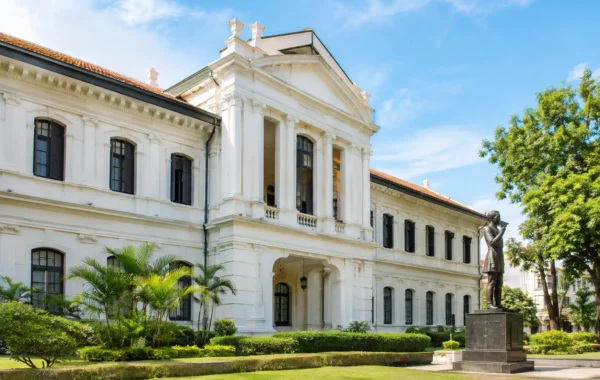
That is one reason an institution such as Straits & Oriental Museum occupies a meaningful place within Penang’s cultural landscape. By centring authentic ceramics from notable Asian shipwrecks, it presents maritime heritage not as an abstract topic, but as a visually immediate and emotionally resonant encounter.
Heritage lifestyle destination Penang for different kinds of visitors
One of Penang’s strengths is that it does not appeal to only one type of cultural traveller. The same destination can satisfy a seasoned collector, a curious first-time museum-goer and a family looking for a memorable day out. The key is range.
For history enthusiasts, the draw is authenticity. Rare artefacts, carefully interpreted, create trust. Visitors can sense when a venue takes scholarship seriously while still speaking clearly to the public. For collectors and connoisseurs, craftsmanship and provenance matter. They are looking for quality, rarity and a setting that respects the objects on display.
For families and general travellers, atmosphere often determines whether a visit feels inviting. A heritage space that includes exhibition programming, places to eat and drink, and opportunities to pause makes culture feel accessible rather than intimidating. This is an important balance. If a venue leans too heavily into academic language, it can alienate casual visitors. If it leans too far into entertainment, it risks losing authority. Penang’s best cultural experiences succeed because they respect both intelligence and enjoyment.
Why integration matters more than ever
The phrase lifestyle destination can sometimes sound superficial, as though heritage has simply been dressed up for social appeal. In reality, integration can strengthen cultural engagement when it is done with care.
A museum that includes art, hospitality and retail is not automatically more meaningful than a traditional institution. The difference lies in intent. If every element supports the central story, the visitor gains a richer and more rounded experience. Dining can echo place and memory. Design can shape mood. A gift house can extend appreciation through objects chosen with discernment rather than novelty.
This matters in Penang because visitors are often trying to make the most of limited time. They may have a single afternoon to devote to a cultural visit. A destination that combines exhibition, reflection, conversation and leisure becomes far more attractive than one offering only a brief walkthrough. It also allows heritage to remain part of lived experience, rather than a separate category reserved for specialists.
There is, of course, a trade-off. Integration must never overshadow the collection itself. Heritage should remain the foundation, not the backdrop. The most successful destinations understand that hospitality works best when it frames the story rather than competes with it.
A cultural outing that feels complete
What many visitors remember most is not one isolated display case or one meal, but the sense that a place held together. The architecture, curatorial voice, objects, service and ambience all pointed in the same direction. That coherence is what turns a stop on the itinerary into a destination with staying power.
In Penang, that feeling is particularly potent because the city already carries a strong sense of place. When a heritage venue builds on that foundation with genuine artefacts, persuasive storytelling and polished hospitality, it offers something increasingly rare: a cultural experience that feels both elevated and unforced.
This is why Penang continues to stand out for travellers seeking more than surface-level sightseeing. It offers history with texture, beauty with context, and leisure with meaning. It invites visitors to spend time, not just pass through.
For anyone deciding how to experience Penang well, choose places that let history breathe beyond the display. The most memorable ones do not ask you to separate culture from pleasure – they show how naturally the two belong together.