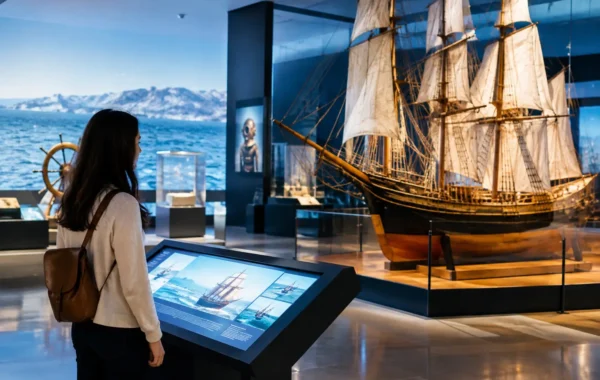
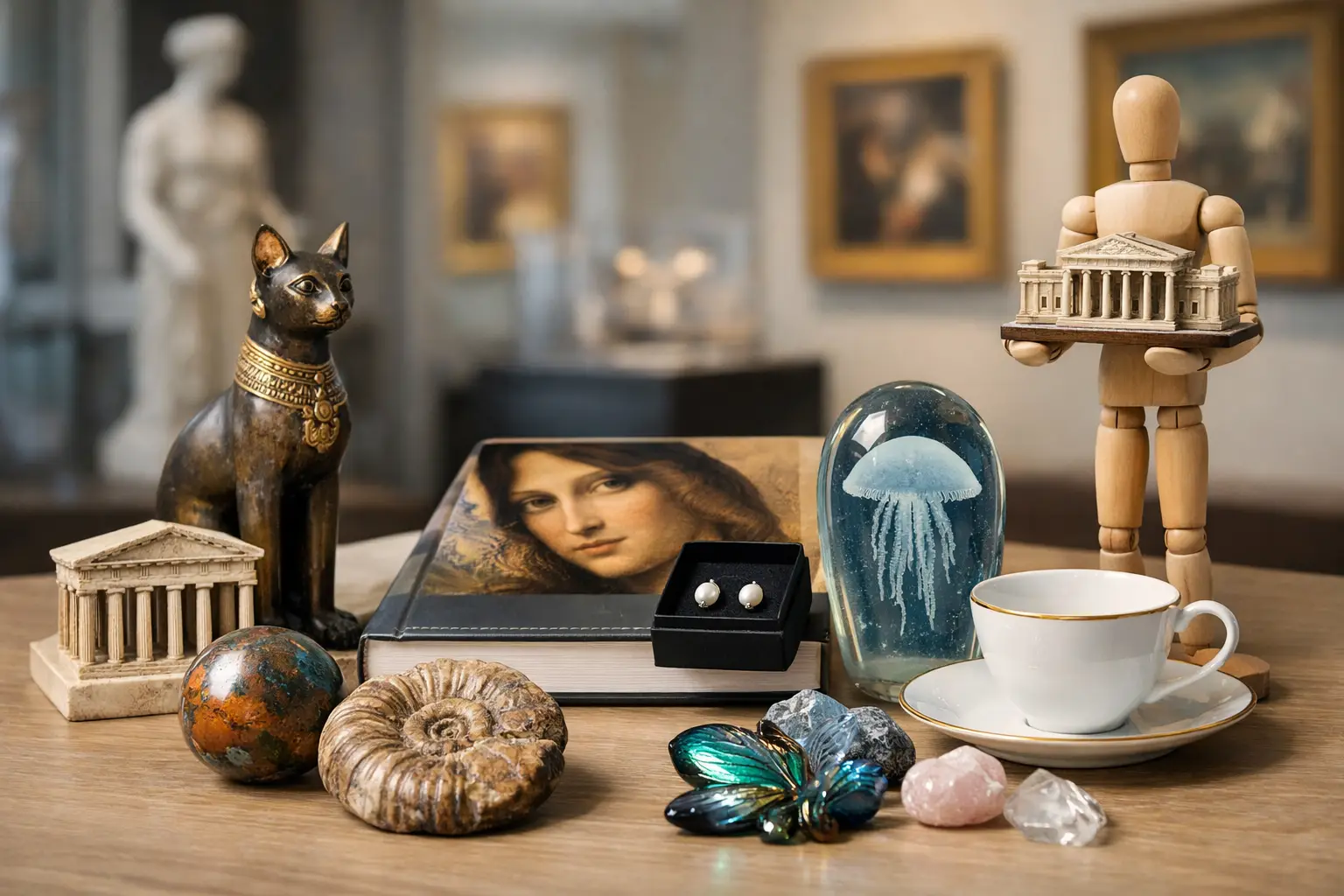

A museum visit need not end at the gallery door. The finest top museum gift house finds extend the experience into daily life: an object for a table, a book that prompts a return to the story, or a carefully chosen present that carries a sense of place. At a destination shaped by maritime archaeology and the splendour of porcelain, the most rewarding purchases are not merely souvenirs. They are small invitations to remember a journey through time.
For visitors to George Town, a gift house can be the quiet final chapter of a cultural outing – a place to choose something with texture, history and purpose before settling in for a meal or a coffee. The best choice depends on whom it is for, how much space there is in the suitcase and whether the aim is a useful memento, a collector’s piece or a meaningful gift.
What makes a museum gift worth choosing?
A thoughtful museum purchase should feel connected to the collection without attempting to imitate it too literally. Shipwreck ceramics are compelling because they have travelled through centuries of trade, migration and craftsmanship before being recovered from the sea. A well-curated gift reflects some part of that narrative: the refinement of porcelain, the visual language of Asian maritime trade or the enduring pleasure of a handmade object.
Authenticity matters, but it comes in different forms. For a collector, provenance, material and craftsmanship may be central. For a family on holiday, the value may lie in an object that helps a child remember the vessels, patterns and voyages encountered in the galleries. For a host or colleague, the right gift may simply be elegant, locally resonant and easy to enjoy.
That is why the most successful gift houses balance accessible keepsakes with more considered objects. A small purchase can still hold cultural weight when it has been selected with care.
Top museum gift house finds for every kind of visitor
Porcelain-inspired tableware and decorative pieces
Ceramics belong naturally in a museum devoted to shipwreck porcelain. A delicately patterned dish, cup, tile or decorative vessel can bring a trace of that visual heritage to a dining table, bookcase or entrance hall. These are especially appealing because they do not need to be placed behind glass to be appreciated. They become part of everyday rituals – morning tea, a shared meal, flowers gathered from the market.
Look closely at finish and function. A small ornamental piece may be ideal for someone who values display, while a practical cup or serving dish will suit a recipient who prefers objects to earn their place at home. If travelling with hand luggage, size is more than a minor consideration. Choose compact forms and ask about suitable packaging, particularly for fragile pieces.
The pleasure lies in the contrast: porcelain is refined, yet it has always been part of ordinary life. Across historical sea routes, it was traded precisely because people wished to use, admire and share it.
Books that give the story room to unfold
A beautiful museum book is one of the most enduring gifts for a curious traveller. Unlike a quick photograph, it can return a reader to the details that are easily missed in a gallery: a glaze’s subtle colour, a vessel’s original use, the route a ship may have taken or the remarkable conditions beneath the sea that preserved its cargo.
Books are a particularly good choice for history enthusiasts, students and visitors who enjoy reflecting after they have left. They are also useful for families. Reading together can turn a holiday memory into an ongoing conversation about trade, craftsmanship and the connected histories of Asia’s ports.
The trade-off is weight. A substantial volume makes a splendid coffee-table addition, but may not suit a tightly packed journey. Smaller illustrated publications, exhibition catalogues or pocket-sized cultural reads offer a more travel-friendly alternative without losing their sense of discovery.
Artful objects for the home
The best museum shops often offer pieces that sit comfortably in a contemporary home while retaining a clear cultural reference. Think of an art print, a finely designed textile, an elegant tray, stationery or a small object made to be handled and used. These finds work well when buying for someone whose taste you know, but whose shelves are already full.
The key is to avoid treating heritage as decoration alone. A pattern or motif becomes more meaningful when it recalls a real story – the exchange of goods across the region, the skill of ceramic makers or the artefacts brought to light from historic wrecks. Choose an item whose design feels considered rather than generic. It should suggest a place and period, not simply carry a label.
For interiors with a restrained style, one small, distinctive object is often more effective than several souvenirs. It gives the story space to breathe.
Gifts for young explorers
Children often notice museums differently. They may be captivated by the shape of a bowl, the mystery of a shipwreck or the idea that an artefact lay underwater for hundreds of years. A well-chosen gift can preserve that spark without becoming another forgotten travel trinket.
Creative activity items, illustrated books, postcards, puzzles or stationery can offer a gentle way to continue the visit. The strongest options encourage observation and imagination: drawing patterns, tracing a journey across a map, or writing about an imagined voyage. A modest gift with an active purpose usually lasts longer in a child’s mind than a novelty object.
For families travelling together, choosing one item for a shared collection can be equally meaningful. A small ceramic keepsake displayed at home may become the prompt for retelling the day’s discoveries.
Collector-led finds and meaningful acquisitions
For experienced collectors, a gift house may offer a first step towards a more considered acquisition. The attraction is not simply age or rarity. It is the opportunity to acquire an object that resonates with the wider history of Asian art, trade and material culture.
This is the category where patience matters. Ask what makes the piece distinctive, how it has been described, what materials are involved and how it should be cared for. A collector should never feel pressured to buy on the spot. The most satisfying acquisition is one that suits an existing collection, has a clear aesthetic or historical appeal, and can be appreciated for years rather than days.
At Straits & Oriental Museum, the gift house sits within a wider encounter with recovered ceramics and maritime stories. That context gives a carefully selected object added resonance: it is chosen after seeing the scale, delicacy and survival of the artefacts that inspired the visit.
Choosing well without overthinking it
Begin with the story you want the object to carry. A gift for a dinner host may call for something useful and refined. A present for a colleague might be better as an artful, easy-to-pack token. For someone who was fascinated by the galleries, a publication or design-led piece may have greater meaning than a conventional souvenir.
Then consider how the item will live after the holiday. Will it be used, displayed, read or shared? Objects that invite repeated attention tend to become part of a home’s atmosphere. A cup used every weekend, a print seen each morning or a book opened when guests arrive can keep a cultural experience present without demanding attention.
Price also deserves a clear-eyed approach. A higher price may reflect craftsmanship, limited availability or a more substantial material, but expense alone does not create significance. A small postcard chosen for its exquisite image can be just as memorable as a large decorative object. Buy the piece that feels truthful to the visit and right for its future owner.
Finally, respect the practicalities. Fragile ceramics need careful packing; larger artworks may require planning; books can add unexpected weight. Thoughtful purchases are made with both delight and logistics in mind.
A museum gift is at its best when it does more than mark where you have been. Choose something that makes room for another question, another conversation or another beautifully set table – and the voyage continues long after the journey home.