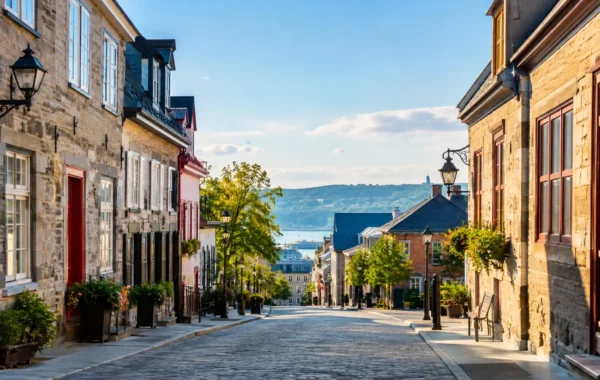
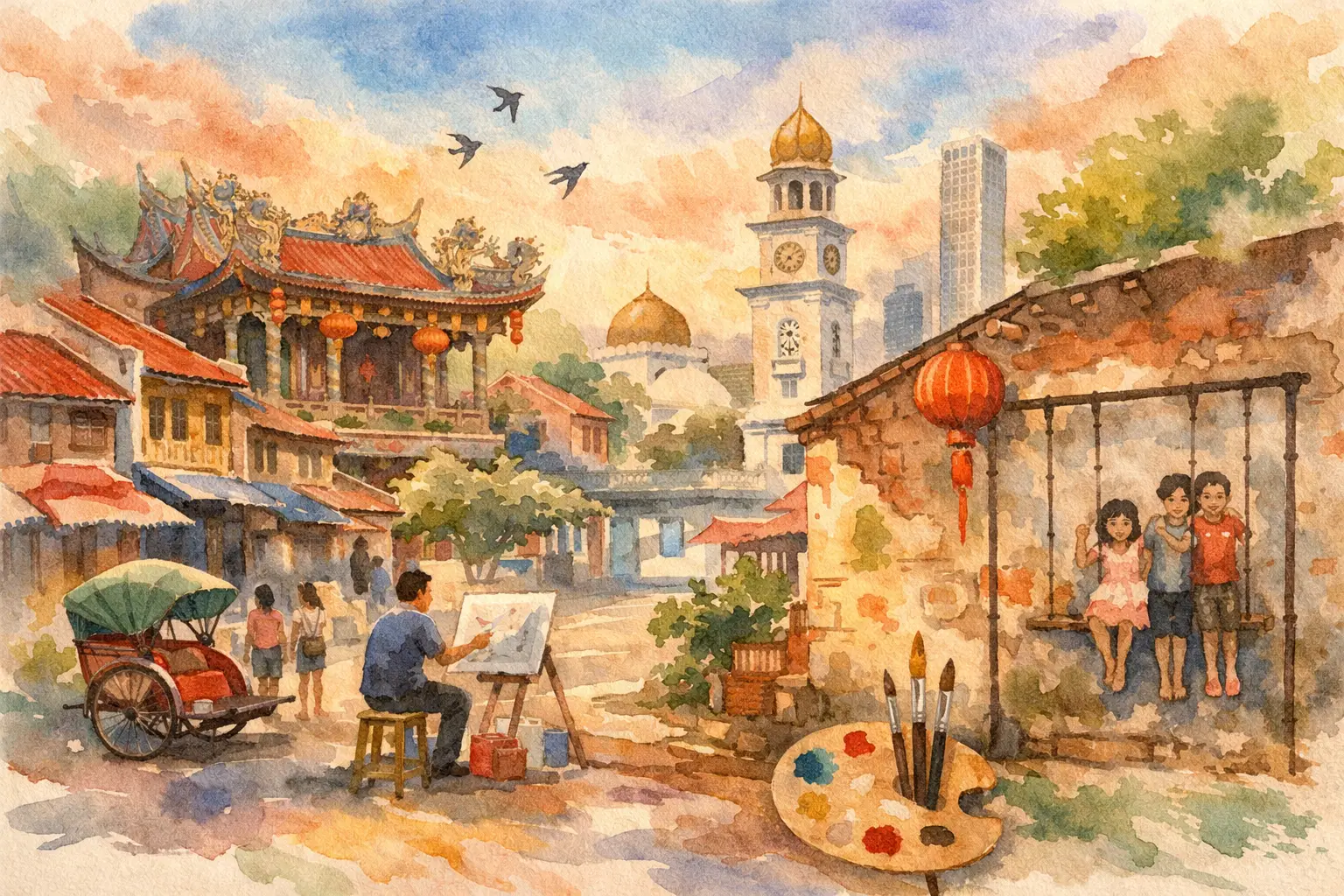

A city does not earn cultural stature through murals alone. It earns it through continuity – through places where heritage is preserved, reinterpreted, argued over, exhibited, performed, eaten, collected, and passed on. That is why Penang Georgetown As A Hub For Arts and Cultural Activities remains such a compelling idea for travellers and cultural audiences alike. In George Town, art is not confined to a single district or institution. It spills from shophouses to galleries, from clan houses to festival stages, from museum displays to café conversations, creating a cultural landscape that feels lived in rather than staged.
For visitors seeking more than a checklist of sights, this matters. George Town rewards slow attention. Its appeal lies not simply in what can be seen, but in how different strands of culture continue to meet – Chinese, Malay, Indian, Peranakan, colonial, mercantile, religious, contemporary, and deeply local. The result is a destination where art and culture are not separate experiences. They are part of the city’s daily rhythm.
Why Penang Georgetown is a hub for arts and cultural activities
George Town’s strength is density. Within a relatively compact historic core, visitors can move from a temple courtyard to a contemporary exhibition, from a heritage mansion to a live performance venue, from artisan workshops to culinary traditions shaped over generations. Few cities in the region offer this kind of concentration with such ease.
Its UNESCO World Heritage status has certainly sharpened international attention, but recognition alone is not what gives the city its cultural weight. The more persuasive reason is that George Town still functions as a living heritage environment. Shopkeepers, restaurateurs, artists, collectors, curators, musicians, and religious communities all contribute to the atmosphere. Heritage here is not displayed behind glass alone. It is inhabited.
That distinction is important. Some heritage destinations become overly polished, preserving façades while losing the human texture that once gave them meaning. George Town has faced that pressure, especially as tourism has grown, yet much of its cultural energy still comes from communities and institutions that continue to shape the city from within. For visitors, that creates a richer encounter – one that feels layered, not theatrical.
A city where heritage and contemporary art meet
One of George Town’s greatest cultural advantages is its ability to hold historical depth and contemporary creativity in the same frame. Its famous street art brought global visibility, but the city’s artistic identity extends far beyond painted walls. Independent galleries, design-led spaces, artist-run initiatives, and temporary exhibitions all add to a scene that is far more varied than first-time visitors often expect.
What makes this particularly attractive is the contrast. A restored colonial-era building might house a modern installation. A heritage venue may present contemporary craft beside antique collections. This tension between old and new keeps the city from becoming static. It invites interpretation rather than passive admiration.
For travellers with an interest in material culture, George Town also offers unusual depth. Decorative arts, textiles, furniture, ceramics, and objects linked to trade and migration all have a natural home here because the city itself was shaped by exchange. This is where museums and specialist collections become especially valuable. They help visitors understand that Penang’s cultural life did not emerge in isolation. It was formed through maritime routes, commerce, and centuries of regional connection.
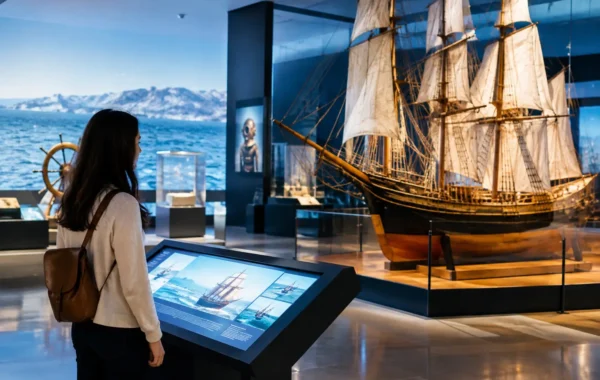
In this context, institutions such as Straits & Oriental Museum add a distinctive layer to the city’s cultural identity. By presenting authentic shipwreck ceramics and maritime artefacts within an integrated heritage and lifestyle setting, the museum shows how George Town’s artistic and cultural story is inseparable from the sea routes that once carried porcelain, ideas, tastes, and influence across Asia.
Museums, galleries, and the pleasure of cultural depth
A serious arts city needs more than photogenic corners. It needs institutions that preserve knowledge and present it well. George Town succeeds because it offers a range of cultural venues that appeal to different kinds of visitors, from casual tourists to committed enthusiasts.
Some come for architecture and social history. Others are drawn to religious heritage, decorative arts, photography, or contemporary exhibitions. Families often look for accessible storytelling, while collectors and connoisseurs seek rarity, provenance, and craftsmanship. George Town can serve all of these audiences because its cultural offer is broad rather than one-dimensional.
This breadth is part of what makes the city so rewarding over multiple visits. A traveller may arrive for the celebrated streetscape and return for exhibitions, performances, specialist collections, or seasonal events. The city invites revisiting because it does not reveal itself all at once.
It also helps that many cultural venues in George Town understand the modern visitor well. The strongest institutions no longer present heritage as something distant or academic. They frame it as experience – immersive, elegant, and socially engaging. That may mean thoughtful exhibition design, curated retail, dining, artist collaborations, or programmes that encourage visitors to linger. Far from diluting heritage, this can make it more memorable when done with care.
Festivals and public culture keep the city alive
If museums provide depth, festivals provide momentum. George Town’s cultural calendar has long been one of the reasons it stands apart. Public performances, literary gatherings, music events, exhibitions, and interdisciplinary festivals animate streets and venues in ways that make culture visible to everyone, not only ticket-holders or specialists.
This matters because a cultural hub should feel active, not merely well preserved. Festivals create that sense of movement. They bring together local artists, international practitioners, community groups, and audiences who might not otherwise cross paths. They also change how visitors experience the city. A lane that feels quiet in the morning may become a stage by night. A heritage building may take on new life through performance or installation.
Of course, festival culture has trade-offs. Popular events can mean crowds, rising prices, and a more hurried atmosphere. Visitors who prefer reflection may find off-peak periods more rewarding. Yet even outside festival dates, the city benefits from the infrastructure and creative confidence that such programming builds over time. It helps sustain networks of artists, curators, and organisers who continue to shape George Town year-round.
Food, craft, and everyday culture
In George Town, cultural activity is not confined to formal arts spaces. Food is part of the story, and so is craft. To ignore either would be to miss how culture is actually experienced here.
The city’s culinary landscape reflects the same plural heritage that defines its architecture and social fabric. Hawker traditions, Peranakan influences, family-run establishments, and refined contemporary dining all contribute to a sense of place that is both immediate and historical. Eating here can be as culturally revealing as visiting a museum, especially for travellers interested in migration, trade, and memory.
Craft has a similar role. Traditional makers, antique dealers, boutique retailers, and design-conscious creators all sit within a broader ecosystem of material culture. Ceramics, textiles, metalwork, beadwork, and decorative objects each tell part of Penang’s story. For some visitors, these are simply beautiful things to admire or acquire. For others, they are evidence of cultural continuity and exchange.
This is one reason George Town appeals strongly to collectors and aesthetically minded travellers. The city rewards people who notice detail – glaze, pattern, carving, provenance, patina, presentation. It offers beauty with context, which is always more satisfying than beauty alone.
What makes George Town different from other cultural destinations
Many cities claim a vibrant arts scene. George Town’s advantage is that its culture is not concentrated in a single flagship venue or limited to a modern creative quarter. It is distributed across the city in a way that feels organic. Heritage buildings, places of worship, cafés, galleries, boutique museums, public artworks, and performance spaces all participate in a larger cultural conversation.
That said, George Town is not frozen in perfection. Commercialisation, rising rents, and tourist demand can place pressure on authenticity. Some areas inevitably feel more curated than lived in. But this does not erase the city’s cultural significance. It simply means visitors should approach it with curiosity and discernment. The most rewarding experience comes from balancing iconic stops with quieter discoveries.
For those planning a cultural visit, the best approach is not to rush. Leave room for museums that deepen historical understanding, for streets that reveal architectural character, for meals that tell their own story, and for exhibitions or performances that connect past and present. George Town is at its best when treated not as a backdrop for photographs, but as a place where culture continues to be made.
That is ultimately why it remains such an important destination. George Town offers the rare chance to encounter art, heritage, collecting, food, and living tradition within one walkable urban fabric. For travellers who value authenticity with refinement, it is not simply a place to visit. It is a place to spend time with.