
Few heritage cities reward curiosity like George Town. Choosing the right Georgetown Museum in UNESCO Heritage site can turn a pleasant day of sightseeing into something far more memorable – an encounter with the trade, artistry and stories that shaped Penang’s place in the region.
George Town’s UNESCO World Heritage status is not simply about handsome façades and photogenic streets. It recognises a living urban history built through exchange – of goods, people, beliefs, languages and design traditions. A museum within this setting should do more than display objects behind glass. It should deepen your sense of place and reveal why this port city mattered, and still matters, in the story of Asia.
What makes a Georgetown Museum in UNESCO Heritage site worth visiting?
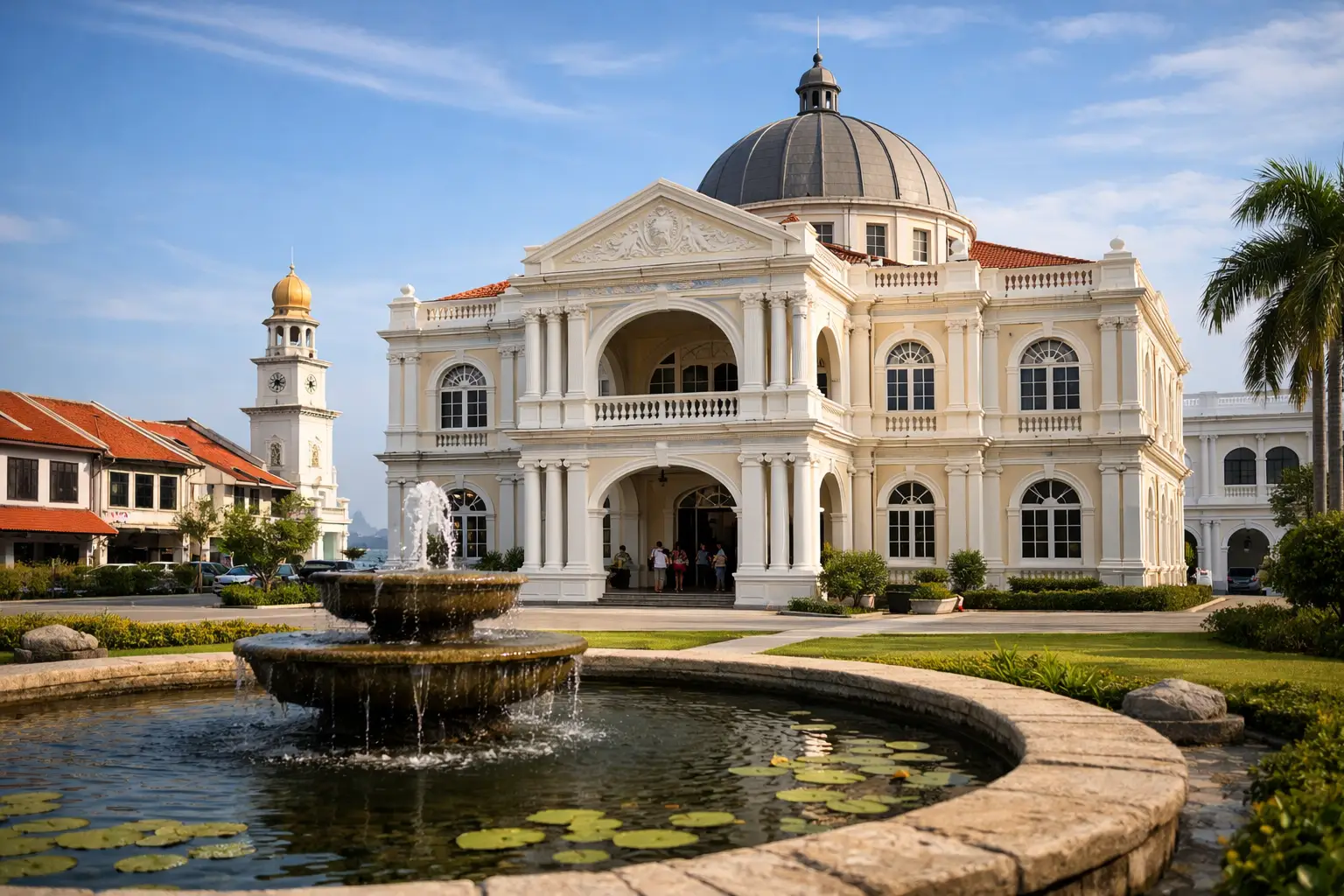
The best answer is context. In a heritage city, location is part of the interpretation. When you step into a museum in George Town, you are not entering an isolated attraction. You are stepping into a wider cultural landscape where maritime routes, merchant communities and colonial-era urban life left visible marks on streets, shophouses and daily rituals.
That is why museums here feel different from those in purpose-built modern districts. The surroundings continue the story. A collection of ceramics, trade artefacts or archival material resonates more strongly when viewed in a city historically shaped by seaborne commerce. For visitors, that creates a richer experience – one in which the museum visit and the heritage quarter speak to each other.
Why maritime history matters in George Town
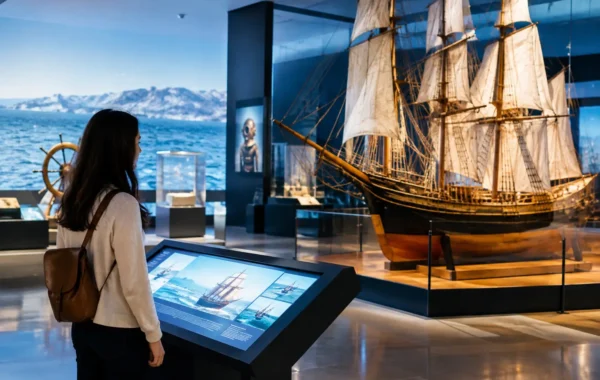
George Town rose through connection. Ships carried porcelain, spices, textiles, metals and ideas across the region, linking Penang to wider Asian and global networks. Maritime history is not a niche subject here. It sits close to the city’s identity.
This is where shipwreck ceramics become especially compelling. Porcelain and ceramic cargoes recovered from historic wrecks are not merely decorative pieces. They are evidence of trade patterns, taste, craftsmanship and movement across centuries. They show what was valued, what was transported and how deeply connected Asian ports were long before modern tourism brought visitors to these shores.
A museum that presents authentic shipwreck ceramics offers something rare – not a retelling of maritime history, but its physical trace. For collectors and history-minded travellers, that authenticity changes the experience entirely. For families and casual visitors, it provides an immediate visual entry point into a story that might otherwise feel distant.
More than a museum visit
Not every traveller wants a purely academic afternoon, and that is part of the appeal of a more integrated heritage destination. A refined museum experience can sit comfortably alongside an art gallery, temporary exhibitions, dining, coffee, conversation and thoughtful retail. Rather than diluting the historical value, this broader format can make heritage more approachable and more enjoyable.
That is particularly true in George Town, where cultural discovery often unfolds through a whole day out rather than a single stop. You may begin with artefacts from the Wanli, Turiang or Royal Nanhai shipwrecks, then continue the experience over lunch, browse a curated gift selection or linger in a gallery space. The result feels less like a checklist attraction and more like an elegant cultural outing.
For many visitors, that balance matters. Some museums are excellent but demanding. Others are pleasant but slight. The strongest heritage venues in George Town manage to be both substantial and welcoming, offering historical depth without losing the pleasure of the visit.
What to look for before you go
If you are deciding which museum deserves your time in George Town, the collection should come first. Original artefacts, clear storytelling and a strong curatorial point of view always outweigh novelty. Look for institutions that present objects with provenance and purpose, especially if maritime heritage is part of their identity.
The second consideration is atmosphere. In a UNESCO city, the setting should feel connected to the heritage around it rather than detached from it. Architecture, exhibition design and hospitality all contribute to whether a museum feels memorable or merely functional.
The third is versatility. Couples may want a cultured afternoon with dining and drinks. Families often need a space that remains engaging beyond the display cases. Collectors and enthusiasts may appreciate access to specialist exhibitions or collection-led experiences. A museum that accommodates these different expectations without losing its sense of quality stands out.
One such example is Straits & Oriental Museum, which presents maritime archaeology through authentic porcelain and ceramic artefacts recovered from notable Asian shipwrecks while also offering a broader lifestyle experience. That combination is unusually well suited to George Town itself – historic, social, layered and receptive to visitors who want culture with character.
A heritage city deserves a museum with substance
UNESCO recognition brings prestige, but it also raises expectations. Visitors do not come to George Town for generic attractions. They come for depth, beauty and the feeling that history is still present in the city’s texture. A museum here should honour that expectation.
The most rewarding choice is one that helps you see George Town more clearly after you leave than before you entered. If a gallery of shipwreck ceramics can sharpen your understanding of trade, craftsmanship and Penang’s maritime significance, then it has done something valuable. It has turned a visit into perspective – and that is often what people remember most when the day is over.