
Some places ask for an hour. Others reward a full afternoon, even an evening. A true heritage lifestyle destination Penang visitors remember is not simply somewhere to look at objects behind glass – it is somewhere to feel the atmosphere of a port city, read its stories in material form, and linger long enough for history to become part of the day’s pleasure.
That distinction matters in Penang. George Town has long attracted travellers for its architecture, food and layered cultural identity, yet many heritage experiences remain neatly separated. You visit one site for history, another for art, another for coffee, another for shopping. The more compelling model brings these elements together without reducing heritage to backdrop. When done properly, culture remains the centre of gravity, while dining, exhibitions and retail deepen the experience rather than distract from it.
What makes a heritage lifestyle destination in Penang different
The phrase heritage lifestyle destination in Penang can sound fashionable until it is tested against substance. For a destination to earn that description, it must offer more than aesthetic charm. It needs authentic collections, a strong curatorial point of view and an environment that encourages visitors to stay, reflect and engage at their own pace.
This is where the difference between a conventional museum and an integrated cultural venue becomes clear. A conventional museum often asks visitors to follow a fixed route, absorb information and move on. A lifestyle-led heritage venue still respects scholarship and preservation, but it recognises that modern audiences value rhythm and variety. They may wish to move from gallery viewing to conversation over coffee, from exhibition spaces to a thoughtful browse among objects and gifts, from historical discovery to a meal that extends the sense of occasion.
That approach is especially suited to Penang, a place shaped by exchange. Maritime trade, migration and craftsmanship all left their mark here. A destination that interprets heritage through these themes feels natural rather than manufactured. It reflects the city’s own character – outward-looking, cultured and richly layered.
Why maritime history gives Penang unusual depth
Many heritage attractions rely heavily on architecture or local folklore. Penang certainly has both, but maritime history introduces another dimension. It places the island within a broader Asian story of commerce, taste, risk and movement across seas. Suddenly, heritage is not only about what happened on land. It is also about what travelled, what was traded, what was lost, and what survived.
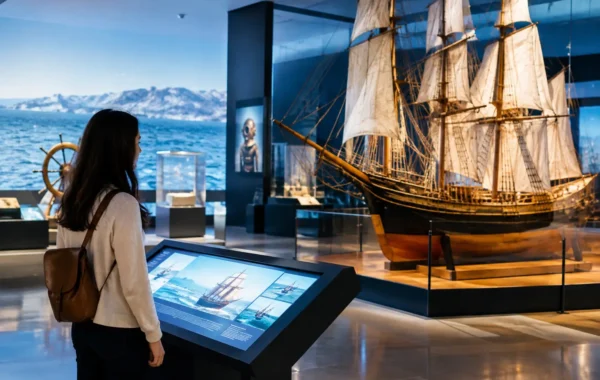
Ceramics recovered from historic shipwrecks make this story tangible in a way that few interpretive tools can. A porcelain bowl or storage jar is not merely decorative. It carries evidence of trade routes, kiln traditions, cargo systems, elite taste and everyday use. It also carries the drama of the sea. When such artefacts are recovered from vessels like the Wanli, Turiang, Royal Nanhai, Nanyang, Xuande and Desaru, they invite visitors into a more expansive understanding of the region’s past.
For families, this makes history easier to grasp because the objects are visually immediate. For collectors, it offers rarity and provenance. For cultural travellers, it creates the pleasure of encountering a story that feels both local and international. That combination is difficult to replicate, and it gives Penang a heritage proposition with genuine distinction.
The appeal of an integrated heritage and lifestyle museum
An integrated museum model succeeds when each element strengthens the others. The gallery gives context to the destination. The exhibition space keeps the experience fresh. The restaurant or café allows visitors to pause rather than rush away. The gift house extends the narrative into something tangible that can be taken home. Together, these components turn a visit into a cultural outing rather than a single-purpose stop.
There is, however, a trade-off. When venues borrow lifestyle language too aggressively, heritage can become decorative branding. Visitors notice when a place feels designed mainly for photographs or casual footfall. The more credible alternative is a venue where the collection remains the intellectual and emotional anchor. Food, retail and hospitality should frame the experience with elegance, not compete with it.
That is why authority matters. A destination built around rare maritime archaeological collections has a stronger claim to significance than one relying on atmosphere alone. It can welcome the curious first-time visitor while still satisfying seasoned museum-goers who expect authenticity and depth.
Heritage lifestyle destination Penang visitors can spend time in
One of the clearest signs of quality is dwell time. If people leave after twenty minutes, the venue may be interesting but not immersive. If they choose to stay, return to a display, discuss a story over drinks or continue the experience through a purchase or exhibition, the destination has done something more meaningful.
In practical terms, this changes how visitors plan their day. A standalone heritage site often functions as a short cultural interval between lunch and the next attraction. A heritage lifestyle destination Penang travellers value can become the occasion itself. It suits couples looking for a refined afternoon, families wanting a cultural activity with broader appeal, and international visitors who prefer one memorable venue over a rushed list of stops.
For collectors and design-minded guests, the appeal is even more specific. Ancient ceramics and porcelain do not merely communicate age – they reveal craft, trade prestige and enduring beauty. In the right setting, these qualities resonate beyond display cases. They influence the atmosphere of the entire venue, making it feel curated rather than commercial.
Why authenticity matters more than novelty
There is no shortage of attractions competing for attention in Penang. Some lean into spectacle. Others rely on novelty or social-media appeal. Those strategies can generate short-term interest, but heritage audiences are usually looking for something more lasting. They want stories with evidence behind them. They want collections that could not simply be replicated elsewhere.
Authenticity also creates confidence. Visitors are more inclined to invest time, ticket spend and emotional attention when they believe the experience is rooted in real cultural value. That is particularly true for international travellers, who may only have a limited number of hours in George Town and want to choose carefully.
A museum such as Straits & Oriental Museum speaks to this expectation by framing itself not just as a place of display, but as Penang’s first museum of its kind and Malaysia’s first integrated heritage and lifestyle museum. That positioning matters because it signals rarity, ambition and regional significance. It tells visitors they are not entering a generic attraction, but a landmark cultural setting with a distinct point of view.
Who gets the most from this kind of destination
Not every traveller wants the same thing from heritage. Some prefer deeply academic interpretation. Others want a lighter, more social encounter with culture. The strength of an integrated destination is that it can accommodate both, provided its standards remain high.
Couples often appreciate the sense of occasion – a place where history, design and hospitality coexist gracefully. Families benefit from variety, since younger visitors may engage in waves rather than through a single sustained gallery visit. Cultural tourists value the chance to connect Penang’s urban heritage with wider regional trade narratives. Collectors and enthusiasts are drawn by the prestige of shipwreck ceramics and the chance to stand close to objects with extraordinary journeys behind them.
What unites these audiences is a preference for meaningful leisure. They do not want a purely educational exercise, but neither are they satisfied by entertainment with no depth. They want substance presented with care.
The future of heritage destinations in Penang
Penang does not need more heritage diluted into theme. It needs more places that interpret the past with confidence while understanding how people actually spend their time. That means designing spaces where learning and pleasure are not opponents. It means respecting the artefact, the story and the visitor in equal measure.
The most successful heritage destinations of the next decade will likely be those that resist false choices. They will not force visitors to choose between cultural seriousness and hospitality, between scholarship and accessibility, or between a museum visit and a leisurely afternoon out. They will recognise that heritage becomes more powerful when people have room to sit with it, speak about it and return to it.
For Penang, with its long maritime memory and cosmopolitan identity, this feels particularly fitting. A well-conceived heritage lifestyle destination does more than fill an itinerary. It restores a sense of connection between the island’s past and the way people gather, learn, eat and appreciate beauty in the present.
If you are choosing where to spend your cultural hours in Penang, choose somewhere that lets history stay with you a little longer than expected.