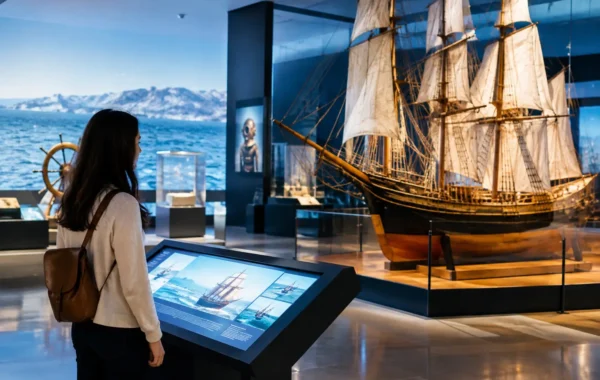


Some attractions give you an hour of mild interest. The right museum gives you a story to carry home. For travellers searching Penang museum Best museum in Penang Things to do in Georgetown Penang attractions Chinese ceramics museum Maritime museum Malaysia Shipwreck museum Family activities Penang, the real question is not simply where to go next – it is which place offers depth, rarity and a sense of occasion in one visit.
George Town has no shortage of heritage appeal. Streets lined with shophouses, clan histories, temples and food culture make it one of Southeast Asia’s most rewarding urban destinations. Yet many visitors still want one standout indoor experience, especially when travelling as a couple, with children, or with relatives who prefer a slower pace than a full day outdoors. This is where a museum can become more than a stop on an itinerary. It can shape how you understand Penang itself.
Why this Penang museum stands apart
The best museum in Penang is not always the largest, nor the one with the broadest subject matter. Often, it is the one with the clearest identity. A museum built around maritime history and authentic shipwreck ceramics offers something increasingly rare in modern travel – original objects with extraordinary journeys behind them.
This matters in Penang because the island’s history was never isolated. Its story has always been tied to trade routes, migration, exchange and the movement of goods across the sea. Ceramics recovered from Asian shipwrecks do not merely present beautiful forms and glazes. They reveal the commercial ambition, artistic excellence and cultural ties that shaped the region for centuries.
That is why a Chinese ceramics museum with a maritime focus feels so well suited to George Town. It reflects the city’s character as a port-linked meeting place of cultures. Instead of seeing history as distant and abstract, visitors encounter porcelain and ceramic artefacts that once travelled through the same wider maritime world that helped define Penang.
A maritime museum in Malaysia with real narrative power
Not every maritime museum in Malaysia delivers the same kind of experience. Some lean heavily on models, timelines or technical displays. Those can be worthwhile, but they do not always create emotional connection. Shipwreck artefacts do something different. They place history in suspense.
A bowl, a plate or a vessel recovered from the sea asks immediate questions. Who made it? Where was it heading? What cargo surrounded it? What happened when the ship went down? The object becomes evidence of trade, danger, craftsmanship and survival all at once.
This is what gives a shipwreck museum its appeal across age groups. Adults appreciate provenance and rarity. Children are drawn to the drama of underwater discovery. Collectors notice detail, glaze, firing style and historical period. Casual visitors simply respond to the visual beauty. Few museum themes balance scholarship and accessibility so naturally.
For travellers who think museums may feel static, maritime archaeology often changes that assumption. There is movement in the story from the start. Routes, storms, cargo, loss and recovery create a built-in sense of drama, and authentic ceramics anchor that story in tangible form.
Things to do in Georgetown beyond street art and food
Street art trails and famous hawker stops deserve their place on every list of things to do in Georgetown. But a good itinerary needs contrast. After walking in the heat, navigating queues or covering multiple heritage streets, many visitors want an experience that is cooler, calmer and more layered.
A well-curated museum visit gives that shift of pace without losing the spirit of discovery. It also suits the practical realities of travel. Families may need a place where grandparents and children can enjoy the same outing. Couples may want a cultural stop that feels memorable rather than rushed. International visitors may be looking for a signature Penang attraction that feels distinctive to the destination, not interchangeable with another city.
That is where an integrated heritage venue has real advantage. Rather than asking visitors to separate culture from leisure, it allows them to move through exhibitions, then continue the experience through art, dining and browsing. The result feels less like ticking off a museum and more like spending meaningful time in a thoughtfully designed setting.
What makes a Chinese ceramics museum so compelling
Chinese ceramics have long captivated travellers, collectors and historians because they sit at the intersection of beauty and global exchange. Their appeal is immediate – elegant silhouettes, refined decoration, remarkable surface finishes – but their historical significance runs deeper.
Porcelain and ceramics were among the great export arts of Asia. They travelled vast distances, entered courts and homes, influenced tastes across continents and helped define trade networks over centuries. Seen in a maritime context, they reveal not only artistic excellence but movement, risk and demand.
In a museum setting, this transforms decorative objects into witnesses of history. A dish is no longer just a dish. It is part of a cargo, a route, a market and a moment in time. Visitors do not need specialist knowledge to appreciate this. The story is instinctive. Beauty draws the eye, and narrative holds attention.
For collectors and design-minded travellers, these displays offer an added layer of fascination. You begin to notice shape, motif and period differences. You start to understand why certain pieces command admiration. Even without academic training, you leave with a sharper eye.
Family activities in Penang that feel rewarding for adults too
Families often face the same holiday dilemma. Adults want substance. Children want novelty. Teenagers want something visually interesting enough to justify their attention. The best family activities in Penang manage to meet all three needs without feeling overly childish or overly formal.
A shipwreck and ceramics museum does this unusually well. The underwater recovery aspect gives children a point of entry through adventure. The displays offer enough visual richness to keep younger visitors engaged, especially when objects are presented as part of wider maritime stories. Adults, meanwhile, get the satisfaction of a serious cultural experience rather than a purely entertainment-led attraction.
There is also a practical benefit to choosing a museum with broader lifestyle elements. Families can pace the visit more comfortably when there is space to pause, eat, discuss what they have seen and extend the outing without relocating. That matters more than many people realise, particularly in a city where transport, weather and energy levels can shape the day.
If you are building a mixed-age itinerary, it helps to choose one place that offers both conversation and convenience. A museum with strong visual appeal and a wider hospitality setting often achieves that balance better than a highly specialised gallery or a purely outdoor attraction.
Choosing the best museum in Penang depends on what you value
There is no single universal answer to the best museum in Penang, because priorities differ. If you want broad local history, one type of museum may suit you. If you are travelling with a passion for design, trade history, archaeology or rare objects, a maritime and ceramics-focused museum is likely to leave the stronger impression.
The key difference is memorability. Visitors rarely remember every label they read, but they do remember encountering something they have not seen elsewhere. Authentic shipwreck ceramics have that effect. They carry rarity, visual distinction and historical gravity in equal measure.
That is also why this kind of museum works so well for visitors who want one refined cultural experience rather than several lighter stops. It condenses beauty, scholarship and atmosphere into a single destination. In George Town, where heritage is everywhere, the most rewarding attractions are often those that bring a specific slice of history vividly to life.
One such place, Straits & Oriental Museum, has positioned itself not merely as an exhibition space but as Penang’s first museum of its kind and Malaysia’s first integrated heritage and lifestyle museum. That distinction matters because it reframes the visit. You are not simply viewing objects in cases. You are entering a setting designed to celebrate history, art, hospitality and the enduring allure of stories carried across the sea.
A better way to plan your Penang attractions
When choosing Penang attractions, it helps to think less about quantity and more about texture. A strong day in George Town usually mixes movement with pause, outdoor energy with indoor depth, and familiar sights with one experience that feels genuinely singular.
A maritime museum in Malaysia centred on shipwreck ceramics offers exactly that kind of contrast. It complements the streets outside rather than competing with them. After murals, markets and meals, it gives context to the port city around you. After the noise of sightseeing, it restores a sense of focus.
For visitors who want their travel to feel both pleasurable and meaningful, that balance is hard to beat. The finest museum experiences do not interrupt a destination. They deepen it. And in a city shaped by the sea, trade and cultural exchange, few encounters feel more fitting than standing before porcelain that survived the voyage, the wreck and the centuries that followed.
If your shortlist of things to do in Georgetown needs one place with elegance, rarity and real storytelling power, choose the museum that lets Penang’s maritime world speak through the objects that once crossed it.