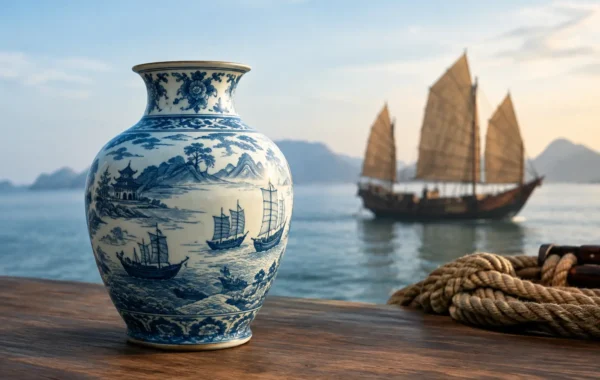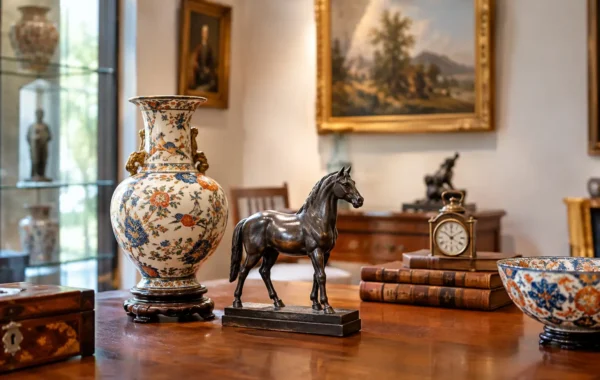


A gallery of shipwreck porcelain can change the way you see a simple cup of tea. The best museum cafe is not an afterthought tucked beside the exit; it is part of the story, giving visitors time to absorb what they have seen while enjoying food and drink with a real sense of place.
For travellers in George Town, that distinction matters. Penang rewards unhurried curiosity: a morning spent among heritage streets can lead naturally into an afternoon of artefacts, conversation and a well-made meal. A museum cafe should honour that rhythm rather than rush it.
More Than a Convenient Place to Eat
Museums ask visitors to look closely. A rare ceramic bowl, recovered after centuries beneath the sea, carries traces of trade, craft, danger and daily life. It deserves more than a hurried glance before the next display case. A thoughtful cafe gives those details room to settle.
This is why the strongest museum dining experiences feel connected to their setting. The menu does not need to imitate history literally, nor should every plate arrive with a lecture. The connection can be more subtle: considered ingredients, a composed atmosphere, attentive hospitality and a setting that respects the building’s character. When these elements meet, lunch becomes a continuation of the visit rather than an interruption to it.
There is also a practical pleasure in having culture and dining in one destination. Families can pause between galleries without losing the day’s momentum. Couples can turn an exhibition visit into a long lunch. Collectors and history enthusiasts have a natural place to discuss a remarkable object they have just encountered. For visitors planning a full day in the city, it means fewer compromises between seeing more and enjoying the moment.
What Defines the Best Museum Cafe
A beautiful room alone is not enough. The best museum cafe balances four qualities: atmosphere, provenance, comfort and service. Each matters because museum visitors arrive with different expectations. Some want a quiet table after a concentrated visit; others are gathering friends, entertaining overseas guests or looking for a memorable stop between heritage sites.
Atmosphere that extends the exhibition
The setting should have its own character without competing with the collection. Good museum cafes understand the value of visual calm. Natural light, tactile materials, well-spaced tables and a considered soundtrack can make the pause feel restorative. In a heritage destination, the surroundings should suggest care and continuity, not generic convenience.
The most memorable spaces also leave room for curiosity. A glimpse of art, a ceramic detail or a view into an elegant historic interior can keep the cultural conversation alive. This does not mean the cafe must feel formal. Warmth is essential. The goal is a space where a visitor can discuss Ming-era porcelain with the same ease as they can share dessert with children.
Food with a sense of occasion
Museum dining can be simple, but it should never be careless. Freshness, balance and presentation matter, especially when a venue promises a refined cultural outing. The best choices work across the day: a satisfying breakfast before a visit, light dishes for warm afternoons, more substantial plates for lunch, and cakes or small bites that make a coffee break feel generous.
It also helps when the menu reflects the destination without reducing local food to a souvenir. Penang’s culinary identity is rich, layered and confidently distinctive. Visitors should be able to encounter familiar local flavours alongside accessible choices for different appetites and dietary needs. A museum cafe need not chase every trend; it needs food people will genuinely remember for its quality and care.
Drinks deserve equal attention. Tea and coffee invite a slower pace, while a thoughtfully prepared cocktail or a glass of something chilled can mark the end of a gallery visit. The right offering depends on the occasion. A family outing calls for ease and flexibility; an evening gathering may call for more ceremony.
Hospitality that understands visitors
The service in a museum cafe sets the emotional temperature of the entire visit. Guests may arrive tired from walking George Town’s streets, uncertain about local dishes, or eager to make a timed entry to an exhibition. Welcoming, informed staff can make all the difference.
At its best, hospitality is observant rather than intrusive. It anticipates the need for water on a hot day, makes room for prams and shopping bags, and can offer useful guidance without turning lunch into a sales pitch. International visitors appreciate clarity. Local guests appreciate confidence and consistency. Everyone notices when service feels considered.
Time, not just tables
A museum cafe should make visitors want to stay, but not leave them waiting without purpose. This is a delicate balance. Peak holiday periods and weekend afternoons can be busy, particularly in a city as popular as George Town. A shorter menu may improve speed, while flexible seating can accommodate both quick refreshment stops and long, celebratory meals.
The trade-off is worth recognising. A quiet, contemplative cafe may not suit a large, lively group at every hour. A bustling restaurant atmosphere may be less ideal for someone seeking solitude after an exhibition. The best venues signal their character clearly, then offer enough variety for each visitor to find their place.
A Cultural Outing Should Have a Natural Rhythm
The pleasure of a museum cafe lies in how it shapes a day. Begin with the collection while your attention is fresh. Take time with the objects that draw you in, whether that is a finely painted dish from the Wanli shipwreck or a vessel whose journey across Asian waters ended unexpectedly on the seabed. Then pause to eat, compare impressions and let the stories acquire a human scale.
At Straits & Oriental Museum, this rhythm is central to the experience. The museum’s shipwreck ceramics speak of maritime exchange across the region, while its wider lifestyle setting invites visitors to enjoy art, food and conversation in the same visit. It is a persuasive reminder that heritage need not be kept at a distance. It can be studied, shared and enjoyed.
For families, consider visiting before lunch, when children may have more patience for displays and storytelling. A meal afterwards becomes a welcome reward and an opportunity to ask what they noticed. For couples, a later visit followed by drinks can make an ordinary afternoon feel more deliberate. For collectors, the cafe offers a useful pause before returning to look again, perhaps with a sharper eye for glaze, form or provenance.
Choosing a Cafe That Adds to Your Visit
Before setting out, consider what you want from the day. If the priority is convenience, look for a cafe inside or directly connected to the museum. If you are hosting guests, seek a setting with enough polish to feel special. If you are travelling with children or older relatives, comfort, accessible seating and an unhurried service style may matter more than novelty.
It is also worth thinking beyond the menu. Does the space feel rooted in its location? Does it complement the exhibition rather than distract from it? Can you imagine lingering after your meal, perhaps over tea, because the room itself has something to say? Those are often the signs of a destination worth choosing.
A cafe cannot replace a great collection, just as a great collection cannot excuse indifferent hospitality. Yet when both are handled with care, the result is more than a meal beside a museum. It is the lingering part of the visit: the taste, the conversation and the quiet chance to carry history with you a little longer.