
George Town rewards the visitor who resists the urge to race. Behind its shophouse façades and along its busy historic streets are collections that make Penang’s story tangible: cargo recovered from the sea, objects of Peranakan domestic life, colonial-era spaces and deeply personal accounts of place. A well-paced George Town museum itinerary is therefore less about collecting entry stamps than following the threads that shaped this port city – trade, migration, craftsmanship and hospitality.
For one richly layered day, choose three principal stops, leave room for a proper meal and allow time to look closely. Ceramics, furniture, photographs and architectural details reveal far more when they are not treated as a checklist.
A George Town museum itinerary with a maritime beginning
Begin with maritime history, before the heat and the rhythm of the city gather pace. George Town was never merely a settlement beside the Straits of Malacca. It was a meeting point for merchants, sailors, migrants and makers, and its cultural richness grew from those connections.
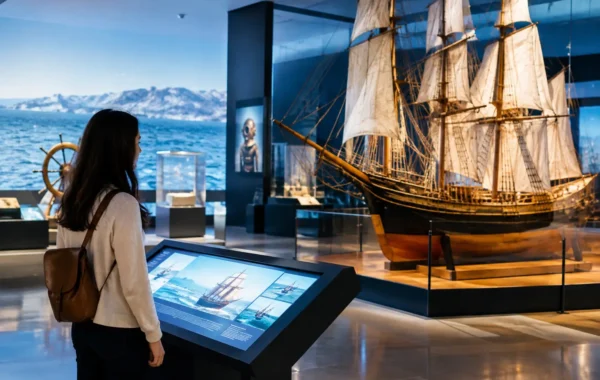
At Straits & Oriental Museum, the story begins beneath the surface of the sea. Its permanent collection brings together authentic porcelain and ceramic artefacts recovered from significant Asian shipwrecks, including the Wanli, Turiang, Royal Nanhai, Nanyang, Xuande and Desaru wrecks. These are not decorative approximations of the past. They are objects that travelled aboard working vessels, carrying the ambitions of regional commerce across dangerous waters.
Give this visit at least 90 minutes. Start by taking in the sweep of the collection, then return to a few pieces that hold your attention. Look for the variations in form, glaze and motif. A bowl or jar becomes more compelling once you consider its journey: where it was made, who may have packed it into a ship’s hold and how it remained unseen for centuries.
The experience has particular value for travellers who have already admired Penang’s food, architecture and street life. It supplies the wider context. The same trade networks that moved porcelain also moved ingredients, textiles, beliefs and people, helping to create the layered culture visitors recognise in George Town today.
This is also a fitting place to slow down over coffee, a meal or a considered browse through the gift house, depending on the venue’s programme on the day. Malaysia’s first integrated heritage and lifestyle museum is designed as more than a static display. The appeal lies in letting an encounter with rare artefacts continue into conversation, food and the pleasure of staying a little longer.
Late morning: choose the domestic story of Penang
From the sea trade, move into the homes and social worlds shaped by its wealth. For many visitors, the most satisfying next stop is a Peranakan heritage house or collection. These spaces illuminate the blended traditions of Straits Chinese families through carved timber, embroidered textiles, ceremonial objects, painted tiles and elaborate tableware.
A visit to Pinang Peranakan Mansion offers a particularly vivid sense of scale. The interiors show that heritage is not only found in precious objects behind glass. It is also expressed through the arrangement of rooms, the etiquette of entertaining and the materials chosen to signal family identity. Allow 60 to 90 minutes, especially if you enjoy design, decorative arts or photography.
There is a useful contrast here with shipwreck ceramics. In the maritime museum, porcelain speaks of movement between ports. In a Peranakan house, objects speak of arrival, adaptation and belonging. Together, the two visits make the history of exchange feel human rather than abstract.
If your interests lean more towards architecture than collecting, consider a guided visit to Cheong Fatt Tze – The Blue Mansion instead. Its indigo façade and carefully considered layout offer a different reading of Chinese merchant heritage in Penang. Tours are often conducted at set times, so it is wise to shape the day around the available session rather than trying to force it in between other stops.
Do not attempt both unless you have a full day, a strong appetite for interiors and a relaxed timetable. Each deserves attention. Choosing one creates space to notice the small things: a fanlight, a courtyard, a pattern on a tiled floor, the way a room frames light.
Lunch is part of the cultural programme
A museum day should not make you eat hurriedly. George Town’s culinary culture is inseparable from its history of migration and trade, so lunch is not an interruption to the itinerary. It is a continuation of it.
Choose a meal that gives you a pause from walking, preferably somewhere that allows you to reflect on the morning rather than immediately consulting the next map pin. For couples and independent travellers, this is the moment to compare the details that stayed with you. Families may find it equally valuable: children often make stronger connections once they can talk through what a shipwreck, a carved bed or a ceremonial tea set actually meant to the people who used it.
Keep the afternoon deliberately lighter. The tropical climate, visual richness and narrow pavements can make an overfilled programme feel less cultured and more exhausting.
Afternoon: decide between civic history and playful interpretation
The best afternoon museum depends on the kind of story you want to take home. If you are interested in political history, defence and the early colonial settlement, Fort Cornwallis provides a useful outdoor counterpoint to the day’s interiors. Its setting near the waterfront recalls the strategic importance of Penang as a port, while its open grounds offer welcome breathing space after close-looking in galleries.
Visitors drawn to social history may prefer a collection or exhibition that focuses on everyday life, local communities or the changing city. George Town’s museum landscape is varied, and temporary displays can be as rewarding as the better-known institutions. Check what is open before setting out, particularly if a specific exhibition is central to your plans.
For families with younger children, it may be sensible to choose one more formal collection and one interactive or visually immediate attraction. A day spent entirely reading labels can test even an enthusiastic young visitor. Balance is not a compromise in this city; it is part of good itinerary design.
Photography enthusiasts should also be realistic about access. Some heritage houses restrict photography in selected rooms, while guided properties may keep to fixed routes. Rather than seeing this as a limitation, use it as permission to look without a screen. A small notebook can be more useful than a crowded camera roll when you want to remember a particular vessel, pattern or historical anecdote.
How to make the day feel unhurried
The most common mistake in planning a George Town museum itinerary is treating every institution as a 30-minute stop. Many of the city’s finest experiences depend on atmosphere: the weight of a porcelain dish, the sound of footsteps in a timber-floored hall, the sudden calm of an internal courtyard. Those impressions need time.
Plan for three principal visits at most. Build in 20-minute walking allowances even when destinations appear close together, as traffic, weather and the temptation of historic streets can change the pace. Carry water, dress for warm and humid conditions, and keep a light layer for air-conditioned galleries.
Advance planning matters most when a museum relies on guided entry or timed sessions. Confirm current opening arrangements, tour times, ticketing and any special exhibition schedules shortly before your visit. This is especially useful at weekends, during school holidays and around major festivals, when George Town is at its liveliest.
Collectors may wish to approach the day differently. Spend longer with fewer objects. Compare shapes across different shipwreck cargoes, ask about the historical setting of a particular ceramic tradition and allow time to consider the relationship between rarity, condition and provenance. The value of such a visit is not simply in seeing beautiful things, but in learning why a surviving object carries historical weight.
Leave room for a final chapter
As late afternoon arrives, resist the instinct to add one last major museum. Take a slow walk through the heritage streets instead. Notice how the day’s stories alter what you see: the scale of old shophouses, the mixture of languages on signs, the traces of commerce in courtyards and five-foot ways.
A memorable cultural day in George Town ends not with the feeling that everything has been covered, but with a sharper sense of what remains to be discovered. Let one remarkable object, one room or one story stay with you, and let it lead you back on another visit.