

A memorable date rarely begins with a timetable. It begins with a shared sense of anticipation: a beautiful room, an object with a past, a question neither of you has asked before. To plan a cultural date in George Town is to give the day more texture than a reservation and a photograph. It is an invitation to look closely, talk freely and enjoy Penang through the stories that have travelled across its shores.
For couples who want more than a familiar evening out, heritage offers a generous setting. Ancient ceramics, old trade routes, changing light across historic streets and a considered meal can turn a few unhurried hours into an experience that feels distinctly personal.
Why a cultural date leaves a longer impression
The best dates create room for discovery without asking either person to perform. A museum or gallery gives you something real to respond to, whether you are captivated by the sheen of porcelain, surprised by a fragment’s journey beneath the sea, or simply drawn to a detail your companion has overlooked. Conversation arrives naturally when there is a story in front of you.
This is especially true in George Town, where heritage is not confined to a single building or era. The city has long been shaped by exchange: merchants, craftspeople, seafarers and communities carried ideas as readily as goods. A cultural outing places your date within that larger story, while still leaving plenty of space for the small pleasures that make an occasion feel relaxed.
There is a useful trade-off to consider. A fast-paced itinerary can fit in more landmarks, but it can also make a date feel like an assignment. One well-chosen cultural destination, followed by time to eat or linger over a drink, is usually more rewarding than racing between five stops.
How to plan a cultural date with real substance
Choose a setting that gives you both something to share
Begin with a place that suits the kind of connection you hope to make. If one of you is a serious collector and the other is simply curious, choose a venue that tells its story clearly rather than assuming specialist knowledge. The aim is not to test what either of you knows. It is to encounter something extraordinary together.
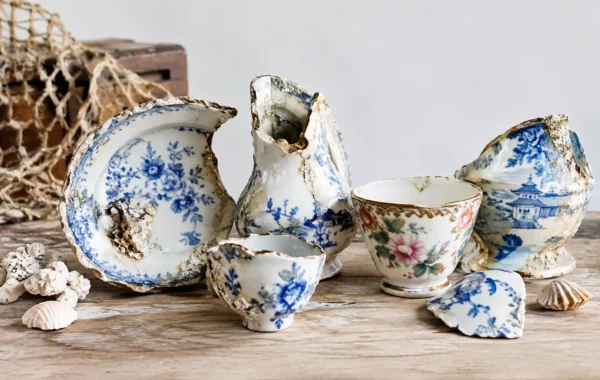
Maritime heritage is particularly compelling because it is both grand and intimate. A shipwreck ceramic may have crossed oceans as part of a vast trading network, yet its painted motif, delicate glaze or everyday form brings the past close. At Straits & Oriental Museum, rare porcelain and ceramic artefacts recovered from Asian shipwrecks offer this sense of scale and closeness in equal measure. Each object carries the trace of a voyage interrupted, preserved for centuries and now returned to view.
Give yourselves permission to have different favourites. One person may be fascinated by the technical achievement of a vessel and its cargo; the other may be drawn to the colour, symbolism or quiet imperfection of a bowl. Those differences are often where the best conversations begin.
Let the exhibits set the pace
Resist the urge to read every label or photograph every display. Select a few pieces that hold your attention and stay with them. Ask what you notice first, what the object might have meant to its original owner, or which journey seems most remarkable. Simple questions are more inviting than trying to supply the correct answer.
A considered visit can also reveal how much history is contained in an apparently ordinary item. Porcelain was prized across the region, but it was also made to be used, traded, gifted and lived with. Looking at these objects together makes the past less distant. You are not only seeing treasure from the seabed; you are considering the lives, tastes and routes that brought it there.
If you are visiting on a first date, keep the mood light. Share observations rather than turning the visit into a lecture. If you already know each other well, allow more time for the stories behind the collection. Cultural dates work because they can be as playful or as reflective as the moment requires.
Pair heritage with a meal, not a rushed exit
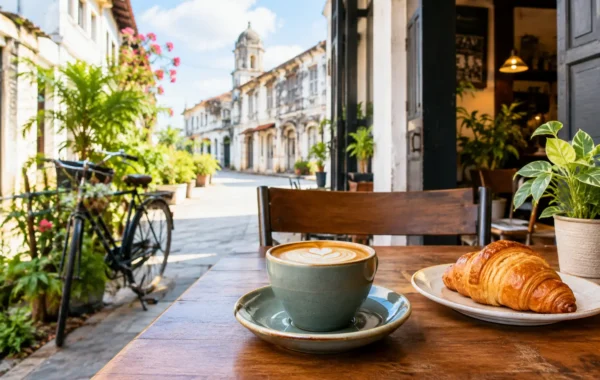
A cultural visit becomes a fuller occasion when it continues at the table. Rather than treating food as a separate plan, let it become the second chapter of the date. Discuss the object you would take home, the trade route you would follow, or the detail that changed how you saw the collection.
This is where an integrated heritage destination has a particular advantage. A museum, exhibition space, café, bar and gift house allow the day to unfold without breaking its atmosphere. You can move from historical discovery to a well-earned refreshment at an easy pace, preserving the sense that you are still inside the same story.
For an afternoon date, a light meal or coffee after the galleries keeps things open-ended. For an evening occasion, dining and a drink can lend the experience more ceremony. Neither is inherently better. The right choice depends on whether you are making space for an unplanned wander afterwards or celebrating something worth dressing up for.
Leave room for one thoughtful gesture
The most effective gestures are specific, not extravagant. It could be choosing an exhibition because it reflects a conversation you have had, bringing a small note with a question to answer during the visit, or selecting a keepsake that recalls a favourite display. A gift is most meaningful when it extends the shared memory rather than competing with it.
If you visit a gift house, avoid treating it as an obligation. Browse with curiosity. A beautifully designed object, a book on regional history or a small piece chosen for its pattern can be a lovely reminder, but the date does not need a purchase to feel complete. The time and attention you give each other are the real indulgence.
Make the day easy to enjoy
Thoughtful planning should be felt, not announced. Check opening times before you set out, allow time to arrive without rushing and dress for a day that may include walking through George Town’s historic streets. Penang’s warmth can shape the rhythm of an outing, so an indoor heritage stop offers a welcome pause between outdoor discoveries.
It also helps to agree on the broad shape of the date in advance. A cultural visit followed by lunch is clear and easy. Adding several neighbourhood stops, a long dinner and a late-night plan may be perfect for a special anniversary, but it can be too much for a first meeting. Leave enough unscheduled time for the day to respond to its own energy.
Plan a cultural date around the person, not the checklist
A good cultural date is not measured by how many artefacts you see or how many places you post about afterwards. It is measured by whether the experience feels considered. Think about your companion’s natural curiosity. Do they enjoy design, history, food, travel stories or collecting? Start there, then choose the setting that brings those interests into conversation.
For someone who loves visual beauty, focus on shape, glaze and craftsmanship. For a history enthusiast, linger over the connections between maritime trade and the region’s changing world. For a visitor discovering Penang for the first time, frame the outing as an introduction to the island’s place within Asia’s seafaring past. Families can take the same approach by inviting children to choose an object and imagine where it has travelled.
There is no need to force romance into every detail. Heritage already provides atmosphere: the hush of a gallery, the weight of a centuries-old object, the pleasure of sharing a new perspective. Let those elements do their work.
Let the story continue after you leave
Before parting ways, take a final moment to name what stayed with you. Perhaps it was a single porcelain motif, the thought of a cargo resting underwater for centuries, or the unexpected ease of spending an afternoon together without distractions. That small exchange gives the day an ending without making it feel over-scripted.
The finest cultural dates do not feel like an item crossed off an itinerary. They leave you both with a story to return to, and a reason to make time for the next one.