
George Town rewards the traveller who looks beyond the first mural, the most-photographed façade and the quickest plate of char kway teow. The finest tourist spots in Penang are not simply attractions to tick off. Together, they reveal a port city shaped by trade, migration, faith, craft and the enduring pleasures of a well-told story.
For a first visit, begin with the historic core and allow the day to unfold on foot. Then make room for hilltop air, temple courtyards, coastal landscapes and a cultural stop that brings Penang’s seafaring past into focus. The island is compact enough to feel generous, yet layered enough that rushing between sights can leave its real character unseen.
Tourist spots in Penang with a sense of place
George Town’s heritage streets
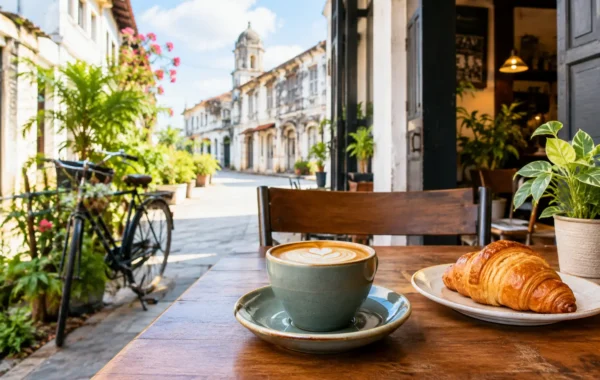
George Town’s historic streets are best experienced without a rigid route. Around Armenian Street, Beach Street and the lanes leading towards Little India, former godowns, shophouses, temples and clan houses create a living map of Penang’s mercantile past. Look up often: carved shutters, air wells, five-foot ways and fading trade signs hold as much interest as the headline landmarks.
Street art remains a draw, particularly for families and first-time visitors, but it is most rewarding when treated as part of the neighbourhood rather than the entire experience. Early morning offers softer light and quieter lanes. Later in the day, pause for tea or a considered lunch, and let the changing pace of the streets become part of the visit.
Khoo Kongsi is among the most remarkable expressions of Chinese clan heritage in the city. Its richly ornamented façade, ceremonial spaces and intricate craftsmanship offer a useful counterpoint to George Town’s commercial architecture. Nearby, the Clan Jetties present another side of settlement history: waterside communities whose homes stretch over the sea on timber stilts. They are residential places, so visitors should walk quietly, keep pathways clear and remember that daily life continues around them.
A maritime story beneath the surface
Penang’s rise was inseparable from the sea. Ships brought porcelain, spices, ideas, merchants and communities into its harbour, while maritime routes connected the island to China, Southeast Asia, India and beyond. That wider story gives added meaning to the objects, cuisines and building styles encountered across the city.
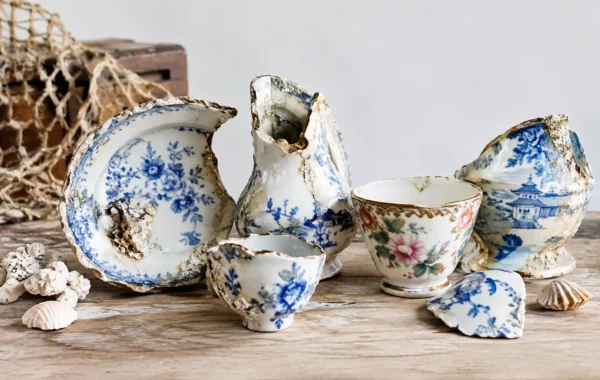
For visitors seeking a more distinctive cultural experience, Straits & Oriental Museum presents authentic porcelain and ceramic artefacts recovered from notable Asian shipwrecks. Its collections turn trade routes into something tangible: a bowl, jar or dish that survived a voyage centuries ago and now speaks of workmanship, exchange and loss at sea. As Malaysia’s first integrated heritage and lifestyle museum, it also makes space for art, dining, gifts and conversation, allowing a museum visit to become a fuller afternoon in George Town.
This is a particularly worthwhile choice when rain interrupts a walking itinerary, or when a group includes both dedicated history enthusiasts and companions looking for a more relaxed cultural outing. Rather than treating heritage as a static display, it invites visitors to consider the extraordinary journeys held within everyday objects.
Temples that reward unhurried visits
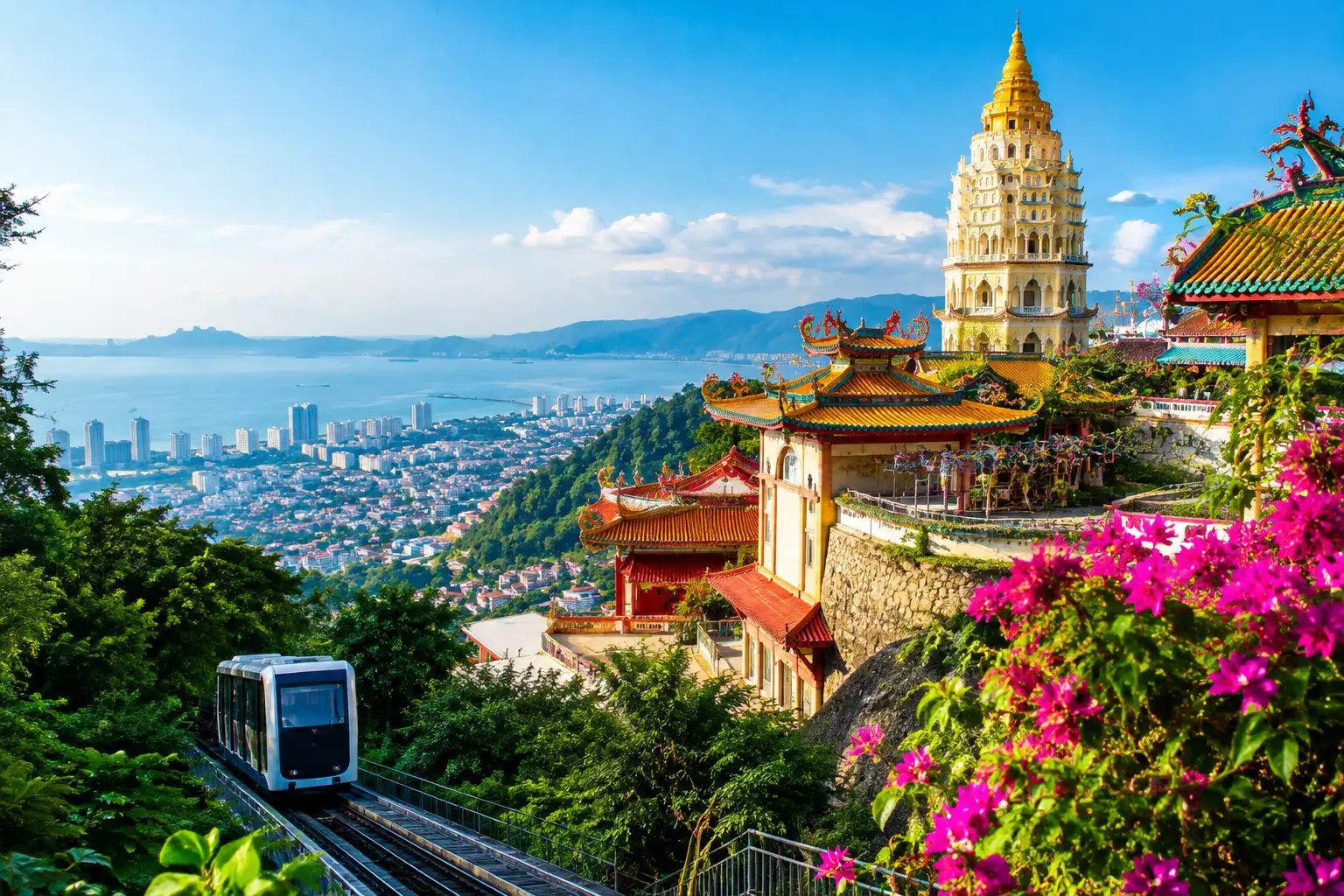
Kek Lok Si, rising across the hillside in Air Itam, is one of Penang’s essential temple visits. Its scale is impressive, but the appeal lies in its details: prayer halls, pagodas, painted ornament, gardens and views that open across the island. Go early if you prefer a calmer atmosphere and cooler temperatures. Festival periods can be visually spectacular, though they also bring crowds and a livelier pace.
In George Town, the proximity of different places of worship is equally revealing. The Kapitan Keling Mosque, Sri Mahamariamman Temple and the Buddhist temples along Jalan Burma sit within a city where communities built their spiritual and social worlds side by side. Wat Chaiyamangkalaram, known for its reclining Buddha, and the neighbouring Dhammikarama Burmese Temple make an engaging paired stop. Dress respectfully, observe any photography guidance and allow time to notice the decorative language of each site rather than rushing through for a single photograph.
These are not interchangeable sights. Kek Lok Si offers grandeur and elevation; the temples of central George Town offer intimacy, texture and a closer view of the city’s plural heritage. Choose according to the time available, but do not overlook either.
Beyond the old town: hills, gardens and sea air
Penang Hill provides a welcome change of temperature and perspective. The funicular journey is part of the occasion, carrying visitors from the heat of the lowlands towards viewpoints, walking paths and colonial-era hill station character. Mornings are generally the most comfortable time to go, especially for travellers hoping to walk rather than simply take in the view.
The trade-off is popularity. On weekends and school holidays, expect queues and book your time with patience in mind. Those with only a short stay may prefer the Botanical Gardens at the foot of the hill, where mature tropical planting and broad pathways provide a gentler escape without committing half a day to the ascent.
For a more outdoors-focused day, Penang National Park offers forest trails, beaches and a sense of distance from the urban island. It suits travellers who are prepared for humidity, uneven paths and a slower schedule. Bring water, sun protection and sensible footwear. This is not the place to squeeze between a morning café reservation and an evening dinner booking; it is best enjoyed as the principal plan for the day.
Batu Ferringhi, meanwhile, is more about ease than wilderness. Its beachside setting, resort atmosphere and sunset potential make it a convenient option for families or visitors wanting a softer end to a sightseeing-heavy day. It is less historically rich than George Town, but that is precisely its value when the itinerary needs breathing room.
The flavours that make Penang memorable
Food is not an extra between attractions in Penang. It is one of the principal ways to understand the island. Hawker centres and family-run eateries reflect the same currents of migration and exchange visible in its shrines, shophouses and ceramics. A bowl of assam laksa, fragrant nasi kandar, silky chendol or a plate of wok-fried noodles can carry its own history of ingredients, technique and local preference.
Avoid building an entire day around a single celebrated stall unless that dish genuinely matters to you. Queues can be part of the ritual, but Penang’s food culture is broader than any one address. Follow the rhythms of the neighbourhood you are already visiting: breakfast near a market, a restorative iced drink after a heritage walk, and dinner in an area where you can linger afterwards.
For visitors accustomed to tightly planned city breaks, this approach may feel less efficient. In Penang, it is often the better kind of efficiency. Walking fewer miles but noticing more creates room for the unexpected: a craftsman at work, incense drifting from a temple, a lane opening towards the sea or a meal remembered long after the holiday ends.
How to shape a well-paced Penang itinerary
A two-day stay can comfortably combine the historic core with one contrasting experience. Dedicate one day to George Town, including its streets, clan heritage, places of worship, food and a museum visit. On the second, choose either Penang Hill and the gardens, a temple-focused route through Air Itam, or the national park and coast. Trying to complete all three usually turns discovery into transport logistics.
With three or more days, slow down. Return to the old town in the evening, when its façades take on a different atmosphere, and set aside time for galleries, cafés and smaller heritage details. Penang is at its most generous when there is space to follow curiosity rather than the clock.
Leave one part of each day unplanned. The most lasting souvenir from Penang is often not the attraction you expected to see, but the story you found when you gave the island time to reveal it.