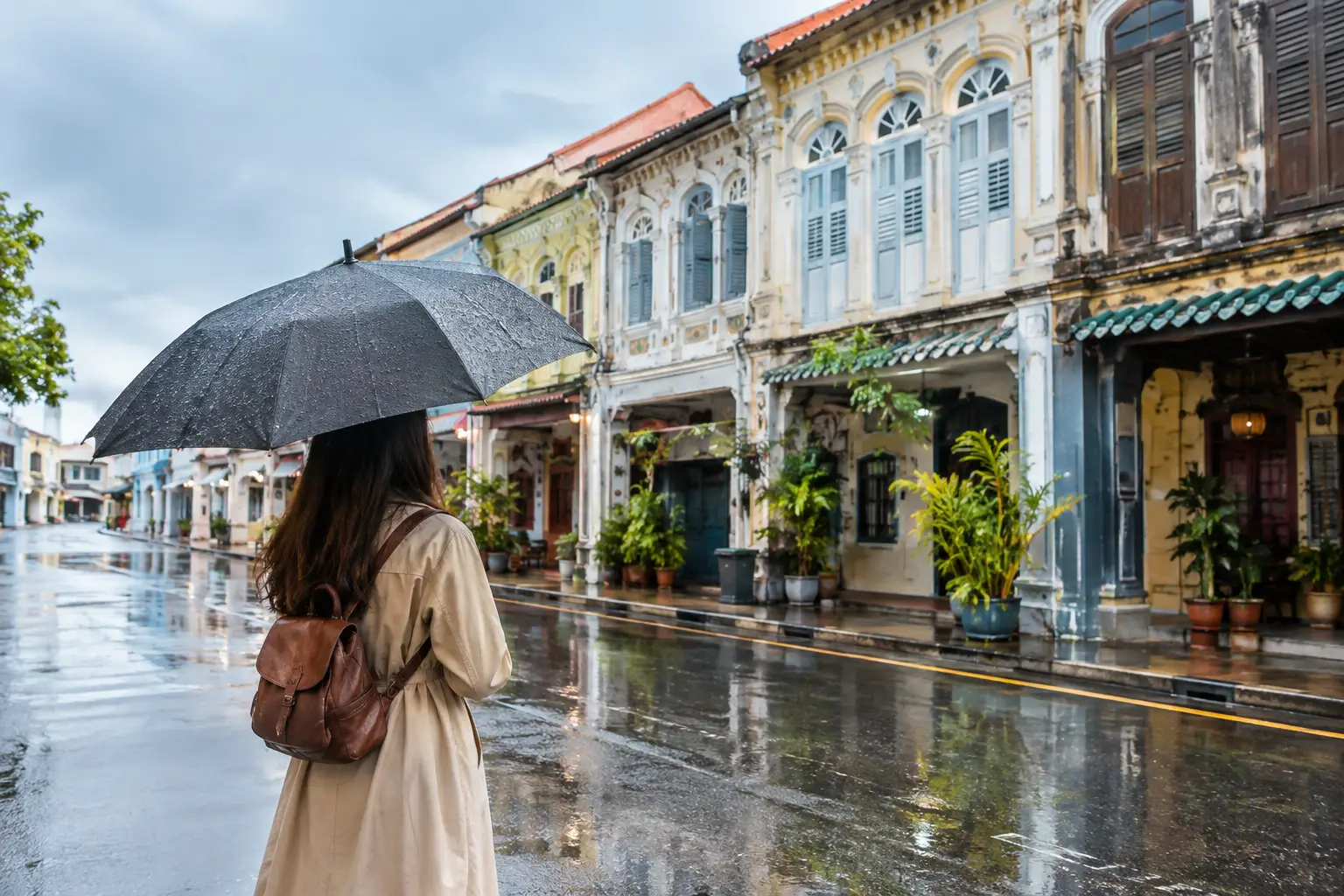

Rain in George Town has a way of changing the pace. Five-foot ways glisten, trishaws pause beneath awnings, and the scent of coffee and spice seems to settle more deeply into the old streets. Rather than treating a downpour as a reason to retreat, consider it an invitation to seek out the best rainy day attractions – places where Penang’s stories become richer when the weather asks you to linger.
For travellers who prefer substance to simply passing the time, the finest indoor experiences pair shelter with a sense of place. Heritage, craftsmanship, art and good food offer far more than a dry afternoon. They turn an unexpected shower into one of the most memorable parts of a visit.
What makes a rainy-day outing worth your time?
A worthwhile rainy-day attraction should do more than provide air-conditioning and a roof. It should reward a slower rhythm. George Town is celebrated for its UNESCO-listed streetscape, but its cultural life is not confined to façades and murals. Some of its most compelling stories are held in objects, interiors and conversations that deserve time and attention.
This matters particularly for families, couples and cultural travellers building a short Penang itinerary. Heavy rain can make a tightly scheduled walking route impractical, especially with young children or older relatives. An indoor destination with depth allows everyone to remain together, stay comfortable and still feel that the day has been well spent.
The trade-off is simple: you may see fewer street corners, but you can experience a more concentrated version of the region’s history. On a wet afternoon, that is often the better exchange.
Best rainy day attractions for heritage lovers
A museum visit with a maritime perspective
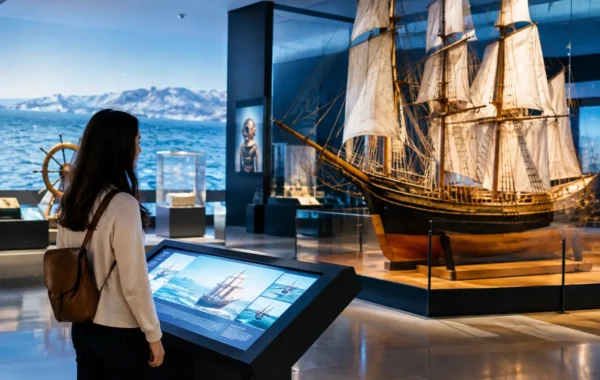
Penang’s history was shaped by the sea long before it became known for its food, architecture and artistic streets. The waters around Southeast Asia connected ports, merchants, kingdoms and households through a vast network of trade. A museum devoted to shipwreck ceramics brings that world into focus through objects that were once cargo, then lost beneath the waves, and now stand as rare witnesses to centuries of exchange.
At Straits & Oriental Museum, visitors can encounter authentic porcelain and ceramic artefacts recovered from significant Asian shipwrecks, including the Wanli, Turiang, Royal Nanhai, Nanyang, Xuande and Desaru. These are not decorative reproductions arranged merely for atmosphere. Each piece carries evidence of its journey: the kiln traditions behind its making, the commercial routes that moved it across the sea, and the extraordinary circumstance of its recovery.
A rainy day suits this kind of encounter. There is no need to hurry from one outdoor stop to the next. You can study the fine painted details on porcelain, notice how forms and glazes changed across periods, and consider the human lives behind maritime trade. For collectors, the experience offers a more informed appreciation of ceramic traditions. For children, shipwrecks provide an immediate and vivid route into history. For travellers, it offers a distinctly regional story that cannot be replicated by a generic indoor attraction.
Art and exhibitions that extend the conversation
A strong cultural outing should leave room for discovery beyond the permanent collection. Exhibition spaces and galleries create an opportunity to meet contemporary artistic voices alongside historic material, making heritage feel alive rather than remote.
This is especially valuable when travelling with people of different interests. One visitor may be drawn to the precision of antique porcelain, while another may respond more readily to visual art, installation or changing displays. A multi-experience cultural setting gives each person a point of connection without splitting the group’s afternoon into separate plans.
The most rewarding visits are rarely about trying to absorb every label or photograph every object. Choose a few pieces that hold your attention. Ask what they reveal about taste, trade, technology or belief. When the rain is falling outside, there is permission to look closer.
Turn shelter into a proper George Town afternoon
The appeal of the best rainy day attractions is not only what happens in the galleries. It is the feeling of having nowhere else you need to be for a while. This is where an integrated heritage destination comes into its own: a visit can move naturally from an exhibition to a leisurely meal, a cup of coffee or an evening drink, without the disruption of navigating flooded pavements or waiting for the weather to change.
Food and drink are not an afterthought in Penang. They are part of the city’s cultural language. A refined café or restaurant setting gives visitors time to discuss what they have seen, compare favourite pieces and make the day feel generous rather than interrupted. If the clouds clear, you may return to the streets refreshed. If they do not, there is no sense of having lost the afternoon.
For international visitors, this kind of setting can be particularly useful at the start of a trip. It introduces the maritime crossroads that helped shape Penang, while providing a comfortable orientation to the city’s wider heritage. For residents, it offers a more considered alternative to the usual indoor routine – one that can feel suitably special for visiting friends, a family occasion or an unhurried weekend.
Leave room for a meaningful keepsake
Gift houses and carefully chosen retail spaces can continue the experience without reducing it to a souvenir stop. A book, artful object or heritage-inspired piece becomes more meaningful when it follows a genuine encounter with the stories behind it.
There is a difference between buying something because rain forced a change of plans and choosing something that recalls an afternoon well spent. The latter tends to stay with you. For those with an interest in antiques and collecting, the opportunity to engage with objects in a curated environment can also deepen an appreciation of provenance, material and historical context.
How to plan around Penang’s wet weather
Rainfall in Penang is often intense but temporary, which means flexibility is more useful than a rigid timetable. Keep outdoor heritage walks, street art routes and waterfront photography for breaks in the weather. Reserve museums, galleries and dining for the heaviest part of the day, when the streets are least comfortable and indoor spaces feel most inviting.
Arriving earlier can make a cultural visit feel calmer, particularly if you are travelling as a family or prefer time to reflect. Allow longer than you expect. A museum centred on shipwreck discoveries is best experienced at an unhurried pace, because the interest lies as much in the connections between objects as in their individual beauty.
Dress for the transition, too. Even if your destination is indoors, the journey there may involve humid air, sudden showers and slick pavements. Compact umbrellas, shoes with a good grip and a light layer for air-conditioned interiors will make the day easier. Most importantly, resist the temptation to treat bad weather as a failure of the itinerary. Penang has always been shaped by monsoon rhythms and the sea. A little rain is part of the setting.
A slower day can reveal the deeper story
There is a particular pleasure in standing before a porcelain bowl that crossed the sea centuries ago while rain taps against the city outside. It places the present moment in perspective. The weather may alter your route, but it can also lead you towards the experiences that reveal why George Town matters.
When the sky opens, choose an attraction that offers more than refuge. Choose somewhere that lets history, art, hospitality and a good story fill the hours until the streets shine again.