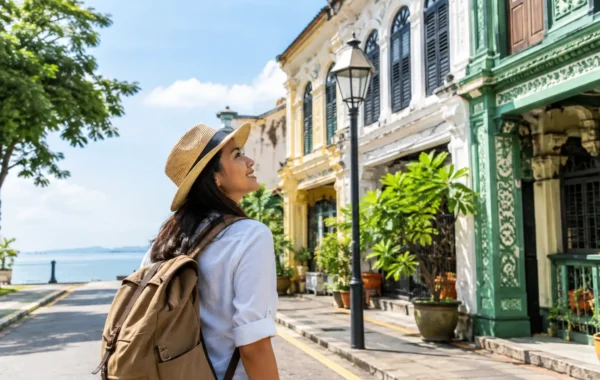
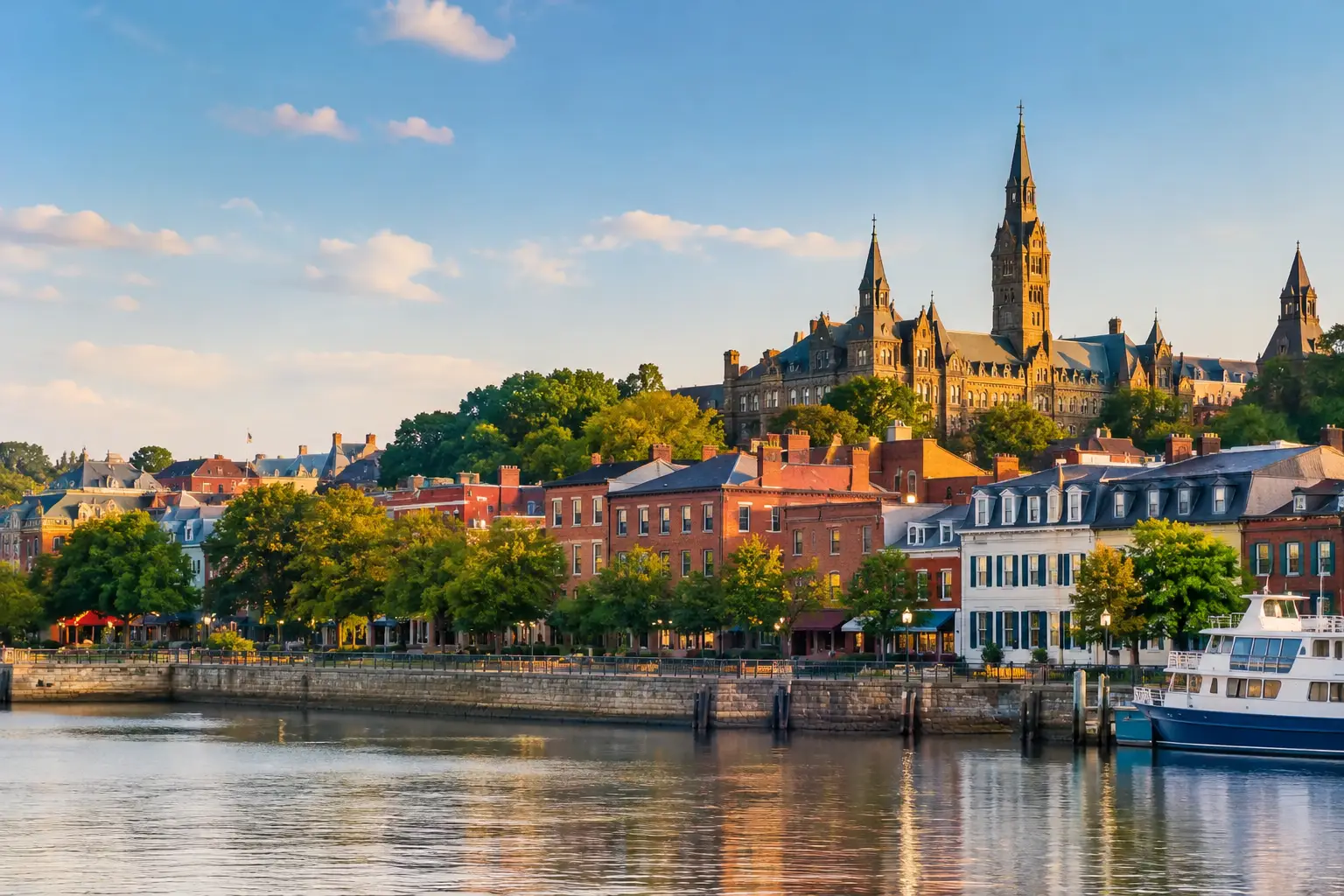

At first light, George Town’s five-foot ways begin to fill with the sounds of shutters lifting, cups meeting saucers and scooters passing century-old façades. To understand Georgetown as a UNESCO World Heritage Site is to see more than a handsome collection of historic buildings. It is to encounter a port city whose streets still carry the rhythms of migration, trade, worship, craft and food.
Inscribed in 2008 alongside Melaka as the Historic Cities of the Straits of Malacca, George Town was recognised for its exceptional testimony to the multicultural trading settlements that shaped this region. Its value lies not in a single monument, but in the remarkable relationship between architecture, communities and the sea routes that connected Penang to the wider world.
What Georgetown as a UNESCO World Heritage Site Represents
UNESCO recognition is often mistaken for a simple badge of beauty. In George Town, it is a commitment to safeguarding an urban story that remains tangible at street level. The designation acknowledges the city’s role as a meeting point between East and West, where Malay, Chinese, Indian, Eurasian and European influences formed a distinctive culture over generations.
The historic city tells that story through its shophouses, clan houses, temples, mosques, churches, markets and civic buildings. A narrow lane can reveal several chapters at once: a Chinese merchant townhouse, an Indian Muslim eatery, a shrine bright with offerings, and a colonial-era institution just beyond the next junction. This density of experience is rare. It makes George Town feel less like a preserved backdrop and more like a living archive.
UNESCO inscribed the historic cities under criteria recognising their exchange of human values, their multicultural living heritage and their distinctive townscape. The official designation matters because it places international attention on conservation, but its meaning is most clearly felt in the details: carved timber screens, ceramic roof ornaments, hand-painted signboards and the shaded pedestrian passages that make tropical urban life possible.
A City Built by the Straits
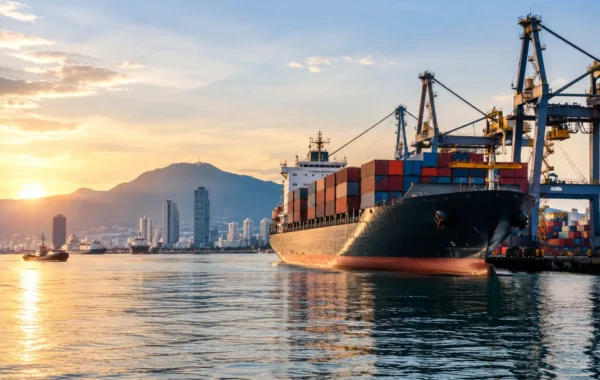
George Town’s heritage cannot be separated from the Strait of Malacca. Long before modern tourism, these waters were among the world’s most significant maritime crossroads. Ships carried porcelain, spices, textiles, tea, tin and ideas between China, Southeast Asia, India, the Middle East and Europe.
Penang’s harbour gave merchants, labourers and families a place to arrive, settle and establish new lives. The result was not a uniform colonial port, but a city shaped by adaptation. Communities brought their own languages, beliefs, cuisines and commercial networks, then created something distinctly Penang in the process.
Architecture that reveals everyday life
George Town’s shophouses are among its most recognisable features, yet they deserve more than a passing glance. Their form was practical and social. Businesses opened onto the street, homes rose behind or above them, and the covered five-foot way offered shelter from fierce sun and sudden rain.
Across the historic core, architectural styles shift from early Straits Eclectic homes to Art Deco façades and later commercial buildings. Decorative plasterwork, louvred shutters and tiled floors can signal changing tastes and fortunes. Conservation is not about making every building look new. It is about retaining the traces that show how people actually lived and worked.
Faith in close company
The city’s sacred places offer another powerful reading of its shared past. Mosques, Chinese temples, Hindu temples and churches stand within walking distance of one another, reflecting communities that maintained their traditions while participating in the same port economy.
This closeness should not be romanticised as a story without complexity. Every city has social boundaries and tensions. Yet George Town’s enduring religious landscape remains a meaningful expression of coexistence, mutual visibility and long-established neighbourhood life. Visitors are guests in these active places of worship, and respectful dress, quiet observation and attention to local customs go a long way.
Food as cultural memory
Penang’s food culture is inseparable from its heritage. Recipes passed through families, hawker stalls and neighbourhood kitchens preserve the influence of migration in immediate, generous form. A meal can carry Chinese, Malay, Indian, Thai and Peranakan traditions at once, often with an ingredient or technique that travelled by sea centuries ago.
Eating in George Town is therefore more than a pleasant interval between sights. It is one of the most direct ways to understand the city’s cultural exchange. The best approach is unhurried: choose a busy local stall, notice who is cooking, and allow the streets around the meal to become part of the experience.
Heritage Needs More Than Beautiful Façades
World Heritage status brings pride, investment and global interest. It also brings pressure. As visitor numbers grow and property values rise, George Town must negotiate the difficult balance between conservation, commerce and residential life.
A restored shophouse can secure a building’s future, but restoration must be undertaken with care. Replacing original materials indiscriminately or turning every ground floor into the same style of retail risks hollowing out the character that people come to see. Heritage is not merely a polished frontage. It includes skilled trades, local businesses, religious observances, family homes and the informal exchanges of daily life.
This is where thoughtful adaptive reuse has real value. Historic buildings can house galleries, cafés, hotels, cultural spaces and contemporary enterprises while respecting their fabric and scale. Done well, such uses give old structures a viable future. Done poorly, they can turn a neighbourhood into a stage set. The difference lies in research, craftsmanship, sensitive design and a genuine relationship with the surrounding community.
Climate and maintenance are equally pressing concerns. Tropical rain, humidity, heat and termites place constant demands on timber, plaster and roofing. Conservation is never a one-time achievement. It is ongoing work, requiring owners, craftspeople, heritage professionals and public bodies to make patient decisions that may not always be visible to visitors.
How to Experience George Town with Greater Attention
A meaningful visit begins by slowing down. Rather than trying to collect every mural, landmark or café in one afternoon, choose a few streets and let their details emerge. Look above eye level for shutters, vents, rooflines and old trade signs. Step into a temple or clan house where appropriate, and listen for the different languages carried through the neighbourhood.
It also helps to connect the city centre to the waterfront. George Town’s historic buildings make more sense when viewed as part of a maritime settlement. The harbour was not simply an edge of town; it was the route through which goods, people and cultural practices arrived.
For a deeper encounter with that seafaring history, Straits & Oriental Museum presents authentic ceramics recovered from notable Asian shipwrecks. These objects offer an unusually intimate link between Penang’s port-city identity and the wider trading world. A bowl, jar or porcelain dish that once travelled in a ship’s cargo holds evidence of taste, commerce and long-distance exchange in the palm of a hand.
Families may find that this approach makes heritage especially memorable. Children often respond first to colour, texture, food and stories of journeys, while adults can appreciate the historical layers behind them. A well-paced day leaves room for both: an architectural walk, a cultural visit, a considered meal and time to pause over objects that have survived the sea.
Why the Designation Still Matters
George Town’s UNESCO status is not an invitation to freeze the city in the past. Its real purpose is to ensure that change does not erase the qualities that made the place significant in the first place. The city has always evolved through arrivals, trade and invention. Its future should continue that tradition with care.
For visitors, the privilege is simple: look beyond the postcard view. Notice the worn threshold outside a family business, the scent of incense on a side street, the rhythm of rain on a tiled roof and the porcelain fragments of a maritime world that once connected this island to distant shores. In George Town, history is not behind glass alone. It remains part of the day’s journey.