
King Street in UNESCO Enclave is not a street to hurry through. Within George Town’s UNESCO World Heritage Site, its compact scale holds a larger story: of traders arriving by sea, communities making a home near the port, and shophouses whose façades still frame daily life. A walk here rewards curiosity. Look beyond the painted shutters and five-foot ways, and the old trading city begins to reveal its character.
Why King Street in UNESCO Enclave Matters
George Town was inscribed as part of the Historic Cities of the Straits of Malacca because its streets preserve a rare urban record of cultural exchange. King Street is one of the places where that history feels immediate rather than remote. It sits within a dense network of lanes shaped by commerce, faith, food and migration, close to the historic waterfront that once connected Penang to the wider Asian world.
This is not heritage arranged behind a rope. Residents, shopkeepers, visitors and places of worship share the same streetscape. The result is wonderfully alive, but it also asks for a more considered kind of visit. A heritage precinct is not a film set, and its value lies as much in the life continuing around its buildings as in the architecture itself.
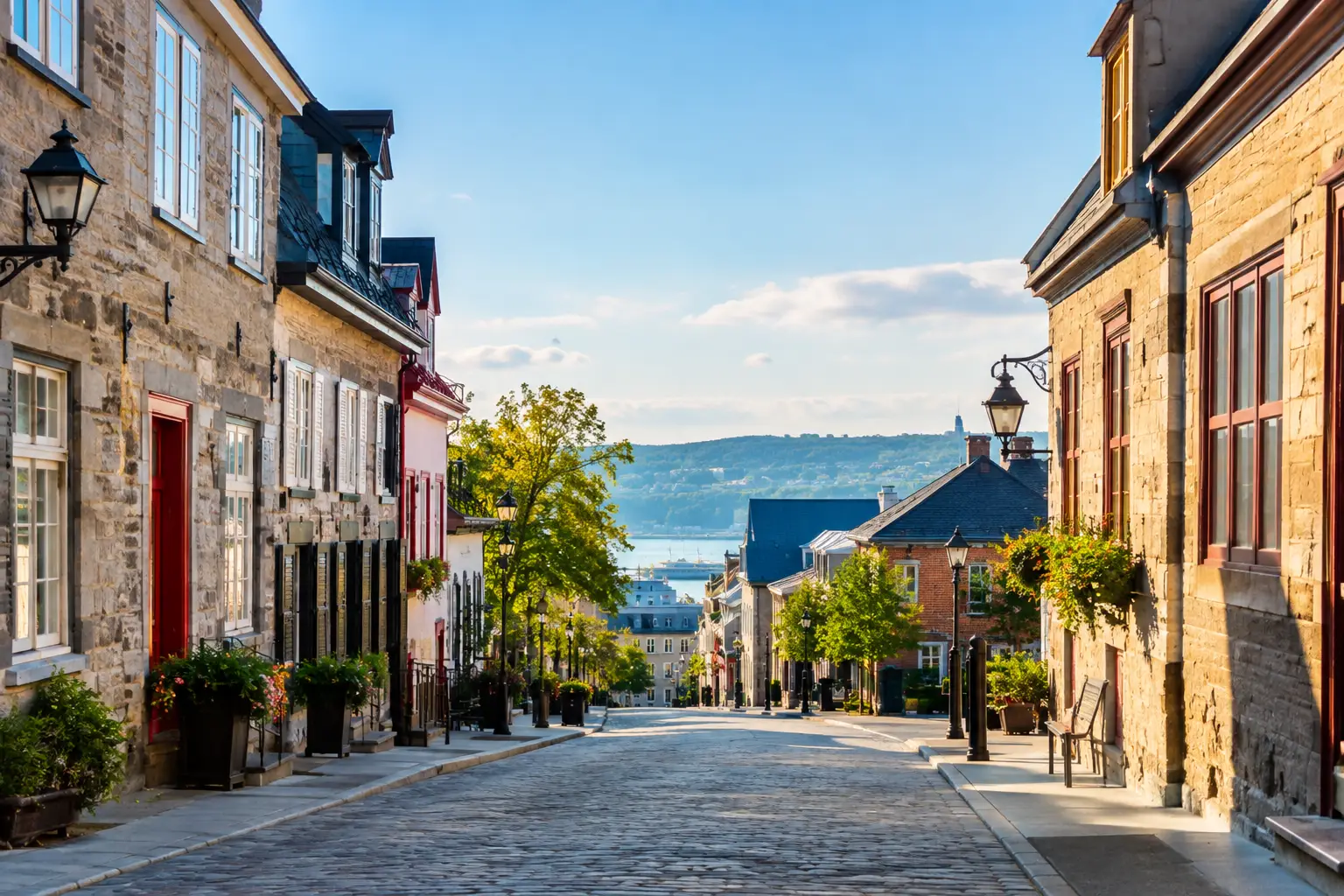
The UNESCO setting gives King Street greater meaning. Its low-rise scale, narrow plots and sheltered pedestrian passages speak to the practical demands of a tropical trading port. Merchants needed space to receive goods, families needed homes above or behind their businesses, and pedestrians needed respite from sun and monsoon rain. The five-foot way – that covered walkway running along many shophouses – became both an architectural response and a social threshold.
A Street Shaped by Maritime Exchange
Penang’s history has always been written with the sea nearby. Ships carried tea, spices, textiles, timber and ceramics between ports across the region. Alongside commodities came people, languages, beliefs and artistic traditions. Streets such as King Street became part of the inland network that supported this maritime world: places for trading relationships, storage, hospitality and community.
That perspective changes how one sees an old façade. Decorative plasterwork may reflect the aspirations of a prosperous household. Timber shutters and upper-floor windows recall a time when ventilation mattered as much as display. A narrow doorway may lead to a surprisingly deep building, designed around courtyards, workrooms and family spaces. No two premises tell precisely the same story, and not every detail is original, but the overall rhythm of the street remains deeply revealing.
Ceramics offer another tangible connection to this seaborne history. Porcelain travelled vast distances because it was beautiful, durable and desired in homes far beyond the kilns where it was made. When recovered from shipwrecks centuries later, these vessels become evidence of the routes, tastes and trading networks that bound Asia together. Their presence in Penang’s cultural story is therefore more than decorative. They are fragments of a connected maritime past.
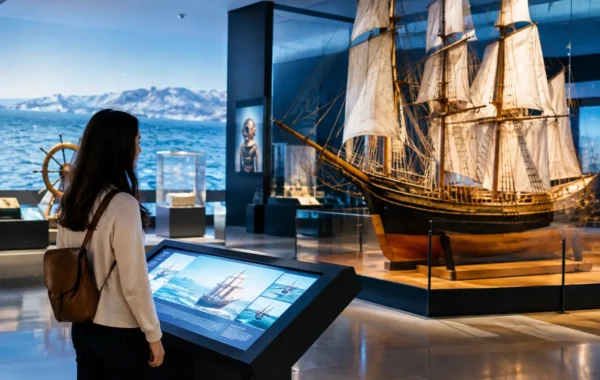
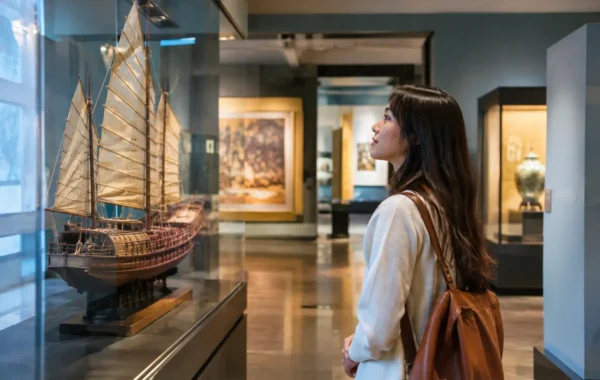
At Straits & Oriental Museum, authentic shipwreck ceramics give that connection physical form. The collection invites visitors to consider not only the refinement of porcelain, but also the voyages it survived – from the hands that made it to the ships that carried it, and the waters that preserved it. For anyone walking King Street, this is a compelling way to move from streetscape to story.
How to Experience the Street Well
King Street works best as part of an unhurried heritage walk. Begin with the building fronts, then slow down. Notice the transition between public pavement and private premises, the changing rooflines, the tiled surfaces and the way old structures sit beside newer interventions. George Town is admired because it has endured change, not because it has been frozen in one period.
Morning is especially rewarding for those who enjoy architectural detail and gentler light. Later in the day, the precinct takes on a different energy as cafés, shops and nearby streets become busier. Neither experience is superior. Families may prefer a shorter daytime route with a cultural stop and a relaxed meal, while collectors and history enthusiasts may wish to linger over architectural details and museum displays.
There is a trade-off to bear in mind. A tightly planned itinerary can cover more landmarks, but it can make the heritage zone feel like a checklist. Give King Street enough time for small discoveries: an old sign, a carved transom, the scent of cooking from a nearby lane, or a conversation that reveals how a building is used today. These are often the moments that make a visit memorable.
Look with context, not just a camera
Photographs capture colour, texture and ornament, but context is what gives them weight. Ask what made a five-foot way necessary. Consider why commercial activity clustered near the port. Look for the adaptations that allowed buildings to remain useful through changing decades. A street’s beauty is richer when it is understood as the outcome of climate, trade and community.
Respect also matters. Keep walkways clear, be mindful around homes and places of worship, and remember that businesses here are part of a living local economy. Supporting a carefully chosen cultural experience, meal or independent retailer can be a more meaningful contribution than simply passing through.
From Heritage Walk to Cultural Outing
The strongest George Town days combine different ways of engaging with place. Architecture provides the setting; collections supply evidence; food brings heritage into the present. King Street and its surrounding precinct lend themselves naturally to this rhythm, especially for visitors who want more than a quick photograph in a historic district.
A museum visit can sharpen the rest of the walk. After seeing shipwreck ceramics, the idea of Penang as a maritime crossroads becomes concrete. A plate, bowl or jar is no longer merely an antique object. It is proof of craft, trade, risk and survival. It also reminds us that the Straits connected communities long before modern travel made the region feel close.
For travelling couples, this makes a more atmospheric alternative to a purely retail afternoon. For families, it offers a way to link visual discovery with stories children can grasp: ships, treasure beneath the sea, distant ports and remarkable objects brought safely to shore. For collectors, the experience has another dimension – the chance to study the material culture and aesthetic ambition that made Asian ceramics prized across centuries.
The lifestyle side of a visit deserves its place too. Heritage does not need to be solemn to be respected. A thoughtfully prepared drink, a meal in a restored setting, or time spent browsing a gift house can extend the experience without diluting it. The key is curation: choosing places that treat history as a source of knowledge and pleasure, rather than as a backdrop alone.
The Value of Staying Curious
King Street does not announce every chapter of its past. Some stories are visible in the built fabric; others emerge through objects, oral histories and careful interpretation. That is part of its appeal. The street asks visitors to look twice, to connect the harbour with the shophouse, and the shophouse with the wider world beyond Penang.
As you leave, carry that attentiveness into the next lane. In George Town, heritage is rarely confined to a single landmark. It lives in the connection between streets, sea routes, porcelain, food and the people who continue to give these places purpose.