
A porcelain bowl resting behind glass can appear quiet, even ordinary, until you realise it spent centuries beneath the sea. A true Shipwreck museum experience changes that first impression. It places every glaze, crack and painted motif within a larger story of monsoon routes, merchant ships, skilled makers and the ports that connected Asia long before modern borders.
For visitors to George Town, maritime heritage is not a distant subject. Penang grew through movement across the Straits – of people, ideas, spices, textiles and precious cargo. Encountering ceramics recovered from historic wrecks offers a rare, physical way to understand that exchange. These are not reproductions designed to resemble the past; they are surviving witnesses to it.
What makes a shipwreck museum experience memorable?
The finest museum visits do more than present beautiful objects. They invite visitors to look twice, ask better questions and imagine the extraordinary circumstances that brought an artefact from a kiln to the seabed, then eventually into public view.
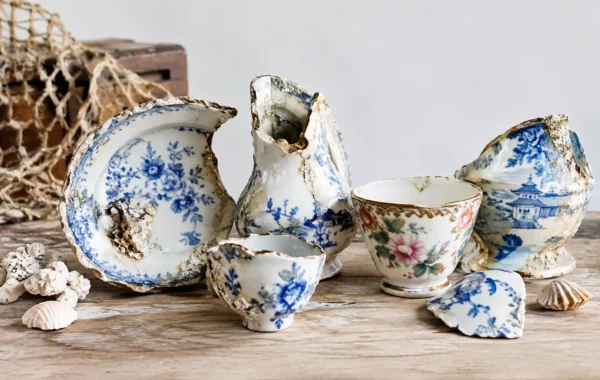
Shipwreck ceramics are especially compelling because they hold two histories at once. The first is their intended purpose. A dish might have been made for a household, a banquet or trade thousands of miles from its place of manufacture. The second is the story no maker could have planned: its voyage, loss, recovery and conservation. A small chip or marine stain is not simply damage. It is part of the object’s passage through time.
At Straits & Oriental Museum, this perspective shapes the visit. As Penang’s first museum of its kind and Malaysia’s first integrated heritage and lifestyle museum, it presents authentic maritime archaeological collections as the centrepiece of a wider cultural outing. The experience is designed for curious first-time visitors as much as seasoned collectors, with the visual pleasure of porcelain balanced by the human stories behind it.
The sea was Asia’s great trading corridor
Before railways and airports, the sea connected imperial courts, island communities and commercial centres across the region. Ships carried ceramics because they were valuable, practical and widely desired. Chinese porcelain travelled alongside other cargoes, reaching markets throughout Southeast Asia and beyond.
A shipwreck collection makes this immense trading network tangible. Instead of reading about commerce in abstract terms, visitors can observe the different forms, decorative styles and firing techniques of objects that were once packed for export. A blue-and-white vessel, a celadon dish or a simple storage jar can reveal changing tastes, technology and trading relationships across centuries.
The named wrecks represented in the museum’s collection – including Wanli, Turiang, Royal Nanhai, Nanyang, Xuande and Desaru – give that history a sharper focus. Each wreck represents a particular moment in maritime exchange, rather than a single, uninterrupted story of Asian trade. The differences matter. Cargo, date, origin and destination all influence what was carried and why it was worth transporting.
How to look beyond the porcelain
It is tempting to move quickly from display to display, admiring the colour and craftsmanship. Give yourself permission to slow down. The most rewarding moments often come from noticing a detail that initially seems modest: the weight of a jar, the unevenness of a hand-painted line, a pattern intended to appeal to a distant customer.
Begin with form. Ask what an object was made to do. Was it intended for serving food, storing goods, ceremonial use or display? Utility was often inseparable from beauty, particularly in ceramics created for demanding markets.
Then consider decoration. Floral scrolls, landscapes, geometric borders and auspicious symbols were not chosen at random. They reflected artistic traditions, consumer preferences and the practical realities of production. A design that feels familiar now may have been a sophisticated response to a buyer’s expectations centuries ago.
Finally, consider condition with generosity. Museum-quality does not always mean pristine. Objects recovered from the sea may carry traces of their environment, and those traces can deepen their significance. Conservation preserves the artefact while respecting the evidence of its journey. There is a trade-off: a flawless modern replica may offer visual perfection, but it cannot offer the same connection to a real voyage interrupted by history.
Questions worth carrying through the galleries
A meaningful visit does not require specialist knowledge. A few thoughtful questions can turn a collection into a conversation: Who commissioned this piece? Who made it? Where was it bound? What would its owner have seen in it? And how did it survive when the ship carrying it did not?
For families, these questions are an effective way to make maritime history accessible. Children often respond immediately to the idea of treasure beneath the waves, but the deeper story is more interesting than treasure alone. It involves navigation, weather, labour, craftsmanship, trade and preservation. Adults, meanwhile, may find themselves newly attentive to the global histories embedded in everyday objects.
From gallery visit to cultural occasion
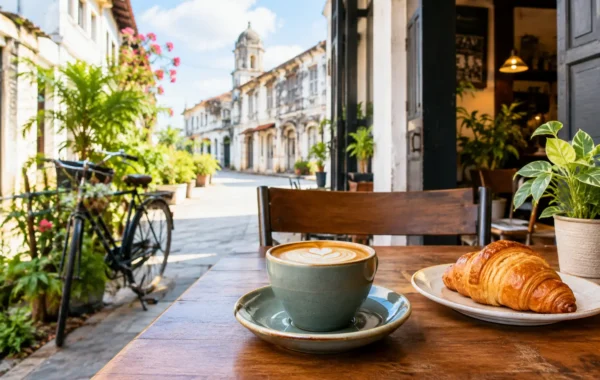
A museum devoted to shipwreck heritage need not be a purely contemplative stop between other plans. The strongest experience allows room for reflection, conversation and pleasure. After spending time with centuries-old porcelain, a meal, coffee or considered drink offers a natural pause to compare discoveries and continue the story.
That is where an integrated heritage destination has particular appeal. The gallery, exhibition spaces, art, dining and gift selections can complement one another without reducing the collection to a backdrop. The aim is not to rush visitors towards the next activity. It is to let heritage set the tone for an unhurried afternoon or evening in George Town.
Collectors may be drawn to the technical and aesthetic distinctions between periods, kilns and decorative traditions. Travelling couples may value a refined cultural experience that feels distinctive to Penang. Families may appreciate having space to learn, rest and talk. There is no single ideal way to visit, and that flexibility is part of the appeal.
Planning a more rewarding visit
Allow more time than you expect. Shipwreck ceramics reward close looking, and a visit feels richer when it is not treated as a checklist. If you have a particular interest in Chinese porcelain, maritime archaeology or Southeast Asian trade, begin there, then return to the objects that stay with you.
Photography can help you remember a favourite motif or shape where permitted, but do not let the camera become the whole encounter. Look at the object first. Notice its scale and surface before framing it on a screen. The value of a museum visit lies partly in this direct encounter with material history.
It is also worth accepting that not every artefact will reveal itself immediately. Some pieces impress through elaborate decoration; others gain meaning only when placed alongside the rest of a cargo. A group of similar bowls, for example, may speak more powerfully about trade and demand than a single spectacular object. Context transforms abundance into evidence.
For international visitors, shipwreck collections can also provide a useful entry point into Penang’s wider cultural character. The island’s heritage has long been shaped by exchange rather than isolation. A museum visit becomes one thread in a larger day of architecture, food, art and street life, all connected by the movement of communities across the region.
A closer encounter with maritime history
The lasting value of a shipwreck museum lies in its ability to make vast history feel personal. It does not ask visitors to memorise every dynasty or trade route. It asks them to meet objects that have travelled farther, and endured longer, than most of us can imagine.
When you leave the gallery, carry one detail with you: a painted flower, a sea-worn edge, a vessel made for a table centuries ago. Let it change the way you look at the waters around Penang. They are not merely a view from the shore, but an archive of journeys still waiting to be understood.