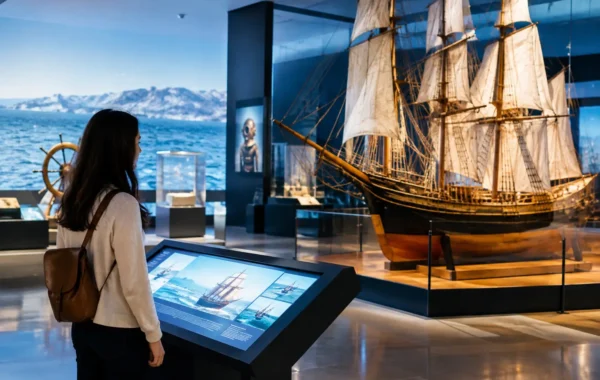
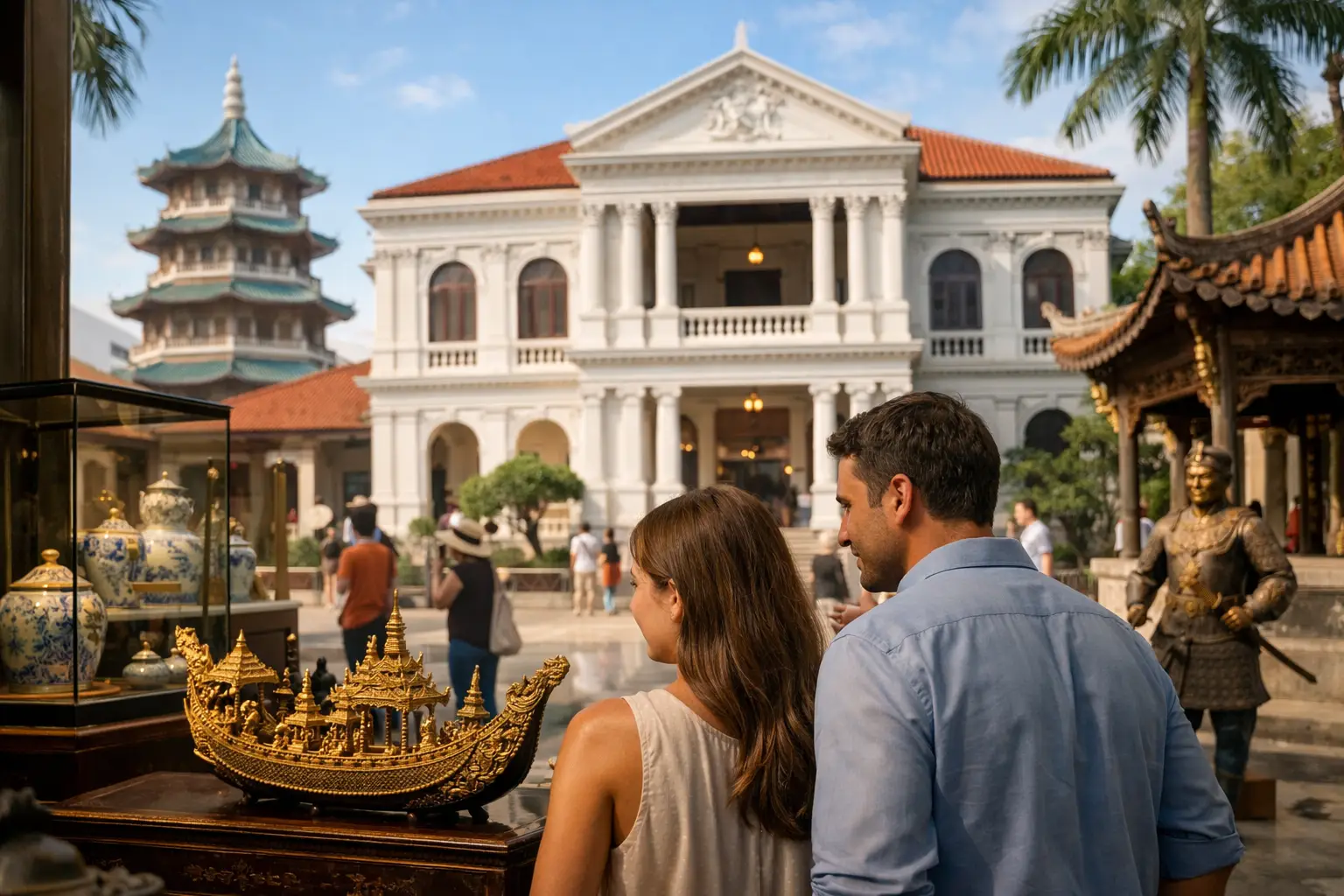

Few places can turn a day of sightseeing into a genuine encounter with history. That is why the Straits and Oriental Museum, as one of the key tourist attractions in Penang, makes immediate sense to travellers who want more than photographs and quick stop-offs. Here, maritime heritage is not told in abstract panels alone. It is presented through authentic ceramics and porcelain recovered from Asian shipwrecks, set within a destination that also invites visitors to linger over art, dining, conversation and collecting.
For many cultural tourists, the challenge in any historic city is choosing between places that feel essential and those that feel interchangeable. A standard museum may offer information, while a lifestyle venue may offer atmosphere. What makes this museum distinctive is that it brings both together with unusual confidence. As Penang’s first museum of its kind and Malaysia’s first integrated heritage and lifestyle museum, it offers a richer proposition than the usual one-hour visit.
Why the Straits and Oriental Museum is one of the key tourist attractions
Its strongest claim rests on authenticity. The permanent displays centre on genuine artefacts recovered from major shipwrecks including the Wanli, Turiang, Royal Nanhai, Nanyang, Xuande and Desaru. That matters because shipwreck ceramics carry a particular fascination. They are not simply beautiful objects behind glass. They are evidence of trade routes, taste, craftsmanship and the commercial rhythms that once shaped the region.
For visitors to Penang, that maritime context feels especially relevant. George Town has long been defined by exchange, migration and seafaring connections. A museum dedicated to ancient shipwreck ceramics does more than showcase rare porcelain. It helps explain the wider story of how this part of the world was linked by water, commerce and culture. In that sense, the experience feels rooted in place rather than imported for display.
There is also a visual immediacy to the collection. Even visitors with no specialist knowledge can appreciate the refinement of the forms, the delicacy of the glaze and the survival of pieces once thought lost beneath the sea. Collectors may notice distinctions in period, kiln style and rarity, while families and casual tourists respond to the drama of discovery itself. That broad appeal is one reason the museum works so well as a destination attraction.
More than a museum visit
What sets this venue apart further is its integrated format. Rather than separating culture from leisure, it brings museum galleries, exhibition spaces, art, food and retail into one coherent setting. The result is a more complete day out, especially for couples, families and international visitors who prefer experiences with both depth and comfort.
This matters because not every traveller wants an experience that is purely academic, nor one that feels commercial at the expense of substance. The balance here is more considered. Visitors can move from historical storytelling to contemporary hospitality without feeling they have left the core identity of the place behind. A café or restaurant in a heritage setting can easily feel like an afterthought. In a destination like this, it becomes part of the rhythm of the visit.
That integrated approach also suits modern travel habits. People increasingly look for attractions that justify their time, not simply their ticket. They want somewhere they can learn, pause, dine, browse and return to. A museum that accommodates those expectations tends to leave a stronger impression than one that asks guests to move through quickly and exit.
What kind of visitor will value it most
History enthusiasts will find obvious appeal in the maritime narrative and archaeological significance of the collection. The artefacts carry weight because they are tied to named wrecks and documented histories, which gives the displays a sense of credibility and regional importance.
Families often value the museum for a different reason. The shipwreck story gives younger visitors something concrete to imagine – voyages, cargo, storms, recovery and survival. That sense of narrative can make heritage more accessible than galleries built entirely around dates and text.
For travellers who plan their itineraries carefully, the museum is also attractive because it offers a polished cultural experience without sacrificing enjoyment. It is suitable for a serious heritage outing, but equally fitting for a relaxed afternoon framed by good food, elegant displays and the pleasure of discovering something genuinely uncommon.
A landmark with regional character
Calling a place a key tourist attraction should never be empty promotion. The phrase has to be earned through rarity, relevance and visitor experience. In this case, the claim is persuasive because the museum does not rely on novelty alone. It combines rare maritime collections with a setting designed for contemporary cultural life.
In a city celebrated for layered heritage, that combination gives visitors a reason to place this destination high on their list. The most memorable attractions do not merely fill time. They deepen a visitor’s understanding of where they are, while giving them a story worth carrying home. This museum does exactly that, with porcelain, shipwreck history and a setting that invites people to stay a little longer.