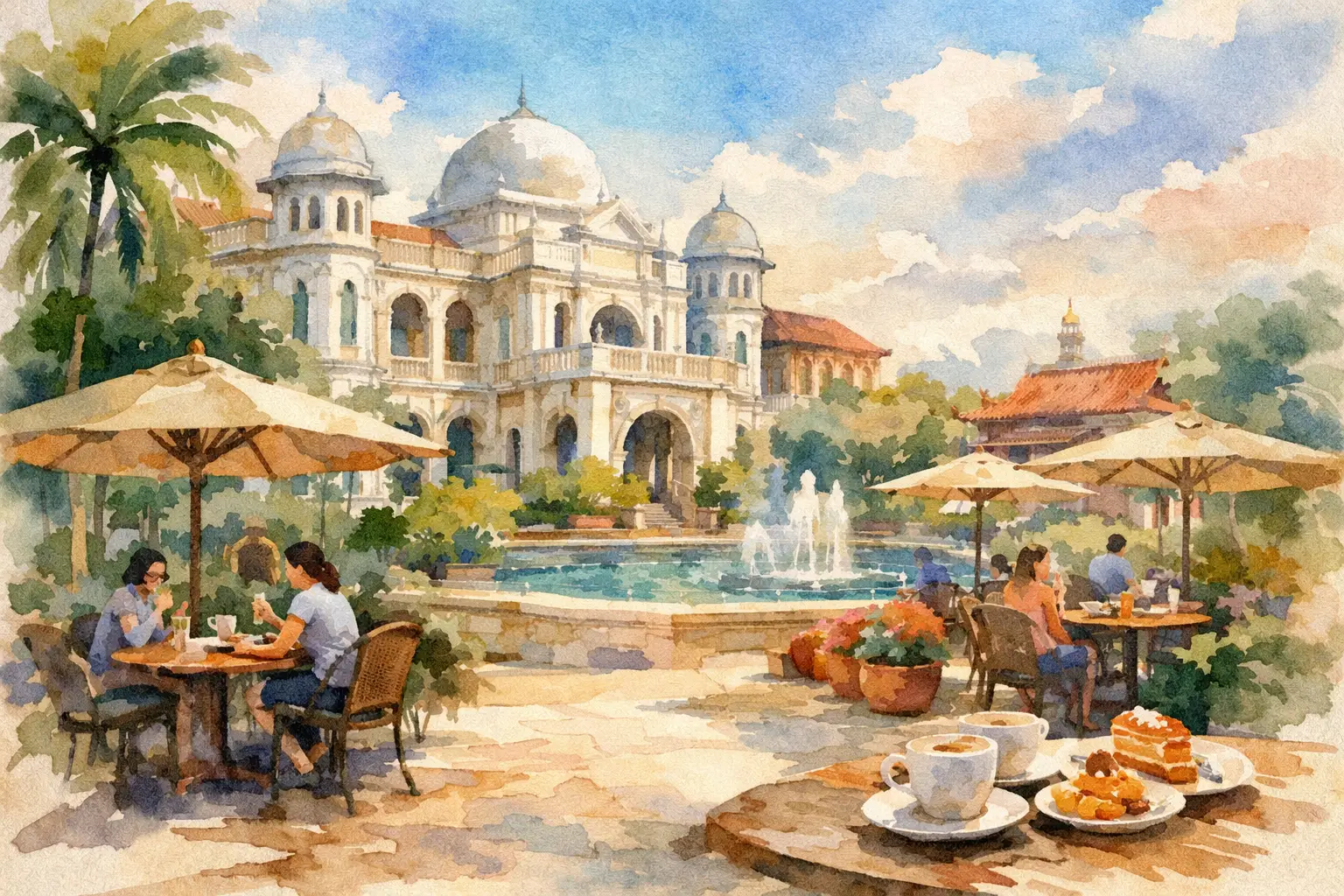

Some museum visits are over in under an hour. You admire the displays, take a few photographs, and move on to your next stop. A great museum with café Penang visitors genuinely remember works differently. It invites you to linger, to absorb the atmosphere, to sit with history for a little longer over coffee, lunch, or a quiet drink after the galleries.
That combination matters more than it first appears. In a city shaped by trade, migration, craftsmanship, and food, culture is not something to be sealed behind glass and left there. The most memorable heritage destinations understand that stories continue beyond the exhibit case. They carry into conversation, into shared meals, and into the rhythm of a day spent well.
What makes a museum with café in Penang worth choosing
Not every museum and café pairing feels considered. In some places, the café is an afterthought – useful, perhaps, but disconnected from the experience of the museum itself. You step out of one world and into another. The result is convenient, though not especially meaningful.
A stronger model brings the two together with intention. The museum sets the intellectual and emotional tone, while the café or restaurant extends it. The setting remains thoughtful. The pace becomes more generous. Visitors are not hurried from display to display but encouraged to stay, reflect, and enjoy the destination as a whole.
In Penang, that standard matters. Travellers come here for layered experiences, not single-purpose attractions. They want history with texture, architecture with atmosphere, and leisure that still feels connected to place. A museum with café works best when it offers all three.
Why the museum with café Penang concept suits George Town
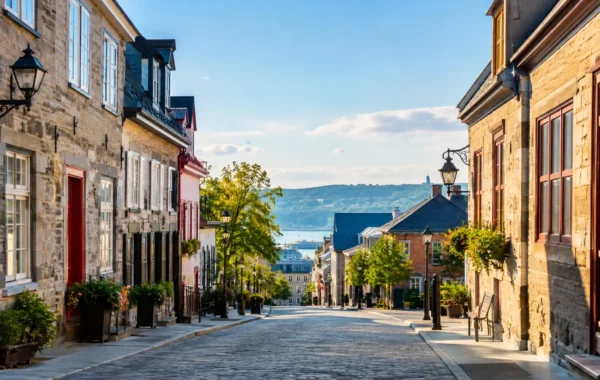
George Town has never been a city of neat boundaries. Commerce, culture, craft, cuisine, and conversation have always overlapped here. Port cities grow through exchange, and Penang’s identity was shaped by precisely that movement of people and goods across the region.
That is why an integrated heritage destination feels so natural in this setting. A museum may begin with artefacts, but in George Town the experience should not end there. A refined meal, a café stop, a gallery space, or a gift house can all deepen the sense that you are visiting a living cultural venue rather than a static institution.
For families, this makes practical sense. One member of the group may be drawn to history, another to design, another to food. For travelling couples, it creates a more elegant outing than a quick museum stop between other plans. For collectors and enthusiasts, it offers time to look more closely, to revisit details, and to let the significance of the objects settle.
A richer kind of visit: history, hospitality, and atmosphere
The best heritage destinations do not compete with hospitality. They use hospitality to make heritage more inviting.
There is a simple reason for this. Museum-going is not only about information. It is also about mood, pacing, and memory. Visitors remember how a place made them feel. If they can move from a beautifully presented collection into a calm café or dining space, the visit gains depth. They are no longer simply consuming facts. They are inhabiting an experience.
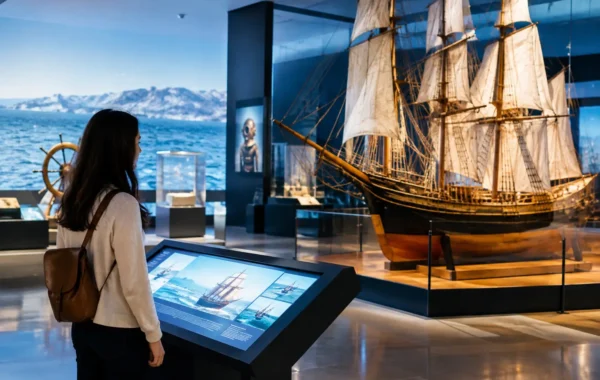
This is especially powerful when the collection itself carries drama and rarity. Maritime archaeology, for example, does not feel remote when it is presented with care. Shipwreck ceramics, recovered from historic Asian trade routes, speak of ambition, danger, craftsmanship, exchange, and survival. They are objects of beauty, certainly, but also witnesses to movement across seas that connected entire civilisations.
To encounter such artefacts and then remain in the same destination for refreshment, conversation, or a later drink is to give the story room to breathe. That extra hour often becomes the part visitors remember most.
More than a café stop
A museum café can be many things. At its most basic, it is a place to rest your feet and order a drink. At its best, it becomes part of the destination’s identity.
That depends on execution. Some travellers want a light stop between galleries. Others are looking for a longer lunch, a stylish setting for a cultural afternoon, or an evening atmosphere that makes the venue feel social as well as educational. There is no single formula, and that is precisely the point. A museum with café appeal succeeds when it meets different kinds of visitors without losing its sense of purpose.
An integrated heritage and lifestyle museum does this particularly well. It acknowledges that modern visitors want more than display cabinets and wall labels. They want curation, yes, but also comfort. They want authenticity, but not austerity. They are happy to spend more time in a venue when the surroundings reward that choice.
For tourism in Penang, this creates a stronger proposition than a conventional museum visit. It turns a cultural stop into a half-day or full-day experience, with room for exhibitions, dining, browsing, and conversation.
When the collection itself becomes the destination
Of course, atmosphere alone is not enough. A museum with café only becomes truly distinctive when the collection can carry the weight of attention.
This is where maritime heritage and shipwreck ceramics hold exceptional appeal. Porcelain and ceramic artefacts recovered from historic wrecks are not simply decorative objects. They are evidence of trade routes, taste, diplomacy, and daily life across Asia. Their survival through centuries underwater gives them a quiet authority that replicas or generic displays cannot match.
Visitors do not need to be academic specialists to feel that significance. The visual impact is immediate. Fine glazes, intricate forms, and the sheer fact of recovery from the seabed create an encounter that is both elegant and dramatic. For collectors, the appeal lies in rarity and provenance. For general visitors, it lies in story.
That is why a venue such as Straits & Oriental Museum stands apart. As Penang’s first museum of its kind and Malaysia’s first integrated heritage and lifestyle museum, it presents maritime history not as a niche subject, but as a compelling cultural journey. Its permanent displays of authentic ceramics from notable Asian shipwrecks give visitors something genuinely uncommon to see, while the broader setting encourages them to stay and enjoy the destination in full.
Who benefits most from this kind of experience
A museum with café in Penang is especially well suited to visitors who do not want to rush. That includes cultural tourists building a meaningful day in George Town, families looking for an outing with broad appeal, and couples who prefer heritage with a sense of occasion.
It also suits the traveller who wants quality over quantity. Penang has many places to see, but not every attraction invites reflection. An integrated museum does. You can spend time with the collection, pause over coffee, return to the galleries, and still feel there is more to appreciate.
There is a practical advantage here as well. Heat and weather shape how people move through the city. A venue that combines exhibition spaces with dining and rest areas offers comfort without sacrificing cultural value. Instead of treating refreshment as a separate logistical task, it becomes part of the pleasure of the visit.
What to look for before you go
If you are choosing a museum with café during your time in Penang, the first question is not simply whether food is available. Ask whether the venue offers a coherent experience. Does the setting feel curated? Is the collection substantial enough to reward your attention? Does the hospitality elevate the visit rather than interrupt it?
The answer may vary depending on your priorities. If you only need a brief stop, almost any café corner will do. If you are hoping for a memorable cultural outing, standards should be higher. Look for authenticity in the collection, a clear sense of place, and enough atmosphere to make staying on feel natural.
It is also worth considering who you are travelling with. Families may value flexibility and comfortable pacing. Enthusiasts may care more about rarity and interpretive depth. Couples may be seeking a setting that feels refined as well as informative. The strongest destinations meet all three without becoming diluted.
A museum should leave you with more than a ticket stub and a few photographs. It should give you a sense of encounter – with history, with craftsmanship, with the city’s wider story. When that experience is paired with a café or restaurant that invites you to remain a little longer, the visit becomes fuller, more civilised, and far more memorable.
If you are deciding where to spend an unhurried cultural afternoon in Penang, choose the place that understands heritage is not only something to observe. It is something to savour.