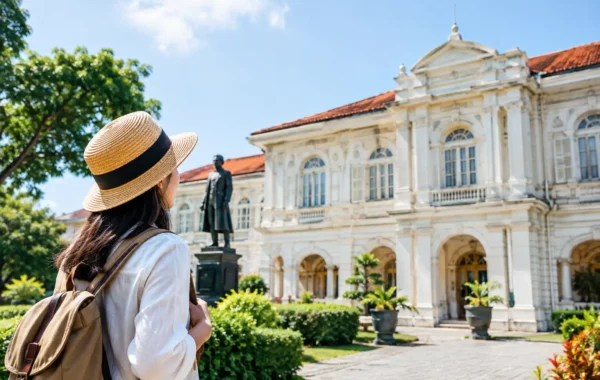

A museum holds the evidence of lives, journeys and skilled hands that came before us. Good museum visitor etiquette is therefore not a stiff set of rules, but a shared way of giving objects, stories and fellow visitors the attention they deserve. Whether you are studying a single porcelain bowl or enjoying an afternoon of art, heritage and dining, a little consideration makes the experience markedly richer.
At a maritime collection, that care has particular resonance. A ceramic recovered from a shipwreck may have survived centuries beneath the sea before reaching a gallery. Its beauty is immediate; its fragility and historical value are less visible. The best visits balance curiosity with restraint, leaving room for both personal discovery and the comfort of others.
Museum visitor etiquette begins before the first gallery
A considered visit starts at the entrance. Check the museum’s guidance on tickets, photography, bags, food and accessibility rather than assuming every venue follows the same approach. Rules can change between permanent collections, special exhibitions and events, usually because individual works have different conservation needs.
Arriving with enough time also changes the character of a visit. Rushing encourages visitors to crowd displays, skim labels and treat galleries as a backdrop rather than a place of encounter. A slower pace lets you notice the fine details: a glaze altered by firing, a painted motif designed for trade, or the marks that reveal an object’s long journey across Asian waters.
If you are visiting as a group, agree on a meeting point before entering. This simple courtesy prevents loud calls across rooms and allows everyone to move independently when a particular object captures their attention.
Give every object the space it needs
The most familiar rule – do not touch – remains essential. Natural oils, moisture and residue on hands can damage surfaces over time, even when an artefact appears hard or durable. Ceramics, metalwork, textiles and painted surfaces all have different vulnerabilities, many of which cannot be seen from behind a barrier.
Keep a respectful distance from cases, plinths and open displays. Leaning on a case, resting a coat on a pedestal or placing a phone near an object for a close photograph may seem harmless, but it introduces unnecessary risk. Barriers, floor lines and alarms are not theatrical additions; they establish the safe conditions that allow rare works to remain on view.
Bags deserve attention too. A rucksack can swing into a display when you turn, particularly in a busy or narrow gallery. Where a museum requests that large bags be carried by hand, worn on the front or left in a designated area, follow the instruction without hesitation. It protects the collection and makes moving through the space easier for everyone.
There are exceptions. Some museums offer handling sessions, tactile replicas or objects specifically intended for touch. When an invitation is clear, enjoy it – supervised handling can be one of the most memorable ways to understand material, weight and craftsmanship. The principle is simple: touch only what you are expressly invited to touch.
Look carefully without blocking the view
Museums are shared spaces, and the most considerate visitors are alert to the room around them. Step forward to read a label or examine a detail, then step back once you have finished. This small rhythm gives others a turn and prevents a cluster forming around a celebrated piece.
When a gallery is busy, avoid standing directly in front of an object while discussing it at length. Move slightly to one side, or continue the conversation after you have viewed the work. The same applies to tour groups: guides need to be heard, but should leave a clear route for independent visitors. If you are part of a group, be mindful of its footprint rather than following so closely that others cannot pass.
There is no need for gallery silence. Museums are places for questions, reactions and shared discoveries. A low, measured voice is usually enough, particularly in smaller rooms where sound carries. Phone calls are best taken outside the galleries, while notification sounds should be switched off before you begin.
Photograph with care, not urgency
Photography policies vary widely, so signage and staff guidance should lead the way. Some museums welcome non-flash photography in permanent galleries; others restrict it for copyright, lender requirements, visitor flow or conservation. A no-photography rule is not a judgement on your interest. It is part of the conditions under which a collection can be displayed.
Where photography is permitted, turn off the flash. Light-sensitive works can be affected by repeated exposure, and flash is distracting to other visitors. Avoid using tripods, selfie sticks or large equipment unless the museum has expressly approved them. They can obstruct paths and pose a hazard near fragile displays.
A good photograph records a moment, but it should not replace the moment itself. Take a few purposeful images, then put the phone away and look again without a screen between you and the object. You may notice the texture of a celadon glaze or the precision of a painted border more clearly when you are not composing a post.
Visiting with children means sharing the rules early
Children often make excellent museum visitors because they are naturally observant and willing to ask direct questions. The key is preparation, not expectation of perfect stillness. Before entering, explain that hands stay by their sides, walking feet are used in galleries and questions are welcome.
Give younger visitors a small mission: find an animal painted on a vessel, spot two colours in a decorative pattern, or choose an object they would like to tell someone about later. Purpose channels energy into looking. If a child needs a break, take one promptly rather than trying to push through a growing restlessness in a quiet room.
Adults remain responsible for supervision, especially around open displays and staircases. Yet this need not make the visit overly formal. A museum that welcomes families is inviting the next generation into a living relationship with heritage. Respectful behaviour helps ensure that welcome remains generous.
Respect people as much as the collection
Not every visitor experiences a museum in the same way. Someone may need extra time to read, use a mobility aid, take a quieter route or pause near a display. Give space freely, do not make assumptions, and avoid rushing around those who are moving at a different pace.
Be thoughtful when taking photographs that include other people. A wide view of a gallery may be permitted, but strangers should not become the subject of your image without their consent. This is especially relevant for families, school groups and anyone using the museum as a calm place of reflection.
Staff are there to safeguard both visitors and objects. If a gallery attendant asks you to step back, lower your voice or stop taking photographs, respond graciously. Their intervention is rarely personal; it is part of protecting a public trust. Asking them questions, by contrast, can often deepen a visit. They may point out a detail in a display, clarify a policy or help you find a quieter area.
Let the experience extend beyond the gallery
An integrated heritage destination offers more than an exhibition route. At Straits & Oriental Museum, a visit can continue through art, conversation, considered food and the pleasure of taking home a meaningful memento. The etiquette changes slightly across these spaces, but the spirit remains the same: be present, be considerate and recognise the work behind the experience.
Keep food and drinks to designated dining areas, rather than carrying them near collections. In a café or restaurant, remember that other guests may be arriving from a reflective gallery visit or settling in for a leisurely meal. In a gift house, handle items with the same care you would bring to an artefact, particularly delicate ceramics and display pieces.
This broader approach is worth embracing. Heritage does not have to end at a glass case. A dish, a conversation or a carefully chosen object can become part of the story you carry away, provided the museum itself has been treated with care.
The finest museum visits are not measured by how quickly every room is completed or how many photographs are taken. They are shaped by one attentive moment: standing before an object that has crossed time and distance, and giving it the quiet respect needed for its story to continue.