

The old distinction between a cultural centre or museum begins to feel rather thin the moment a visit stays with you long after you have left. Not because you glanced at objects in a glass case, but because you moved through a place that gave history atmosphere, context and pleasure. The best heritage destinations now understand this instinctively. They do not ask visitors to choose between learning and leisure. They offer both, and they do so with confidence.
For today’s cultural traveller, that matters. A museum is still expected to preserve, interpret and present objects of significance. A cultural centre, meanwhile, often suggests a broader social and creative life – exhibitions, performances, dining, gathering, conversation. The question is no longer which model is superior. The more useful question is what kind of experience each one makes possible.
Cultural centre or museum: what is the real difference?
A traditional museum has a clear responsibility. It collects, safeguards and explains material culture. Its authority rests on authenticity, research and stewardship. Visitors arrive with the expectation that what they encounter has been selected and presented with care, and that the stories behind each object have substance.
A cultural centre is usually wider in scope. It may host exhibitions without being collection-led. It may function as a community venue, a creative platform or a destination for events, performances and dining. The emphasis is often on activity as much as preservation.
That distinction is useful, but only up to a point. In practice, many of the most compelling institutions now sit between the two. They retain the rigour of a museum while embracing the hospitality, openness and layered programming of a cultural centre. For visitors, this hybrid model can feel more natural than the old categories suggest.
After all, culture is not experienced in fragments. People do not separate history from place, or art from conversation, or heritage from the pleasure of spending a full afternoon somewhere beautifully considered. They want meaning, but they also want atmosphere. They want scholarship, but not at the expense of access.
Why visitors now expect more from a museum
Travel has changed the way people choose cultural experiences. A museum visit is no longer judged only by the quality of a collection, though that remains fundamental. It is also judged by how fully the institution brings that collection to life.
This does not mean turning heritage into spectacle for its own sake. In fact, the strongest destinations tend to avoid gimmickry. What they do instead is frame the visit more intelligently. A rare ceramic recovered from a shipwreck carries one kind of significance when labelled in isolation. It carries far more when placed within a story of maritime routes, trade, appetite, craftsmanship, empire, risk and survival.
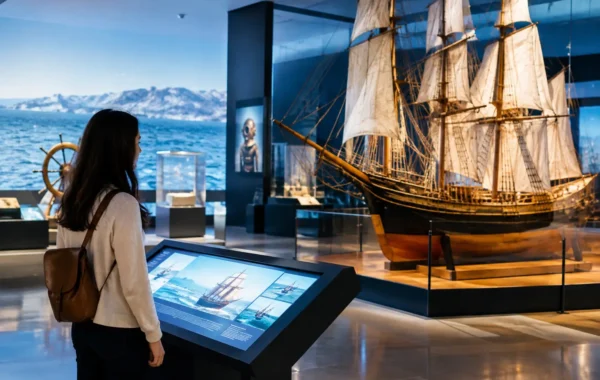
That is where the broader sensibility of a cultural centre becomes valuable. It creates room for the object to live beyond the case. Through exhibition design, atmosphere, curated spaces, hospitality and public programming, the visitor is invited not just to observe history, but to inhabit it for a while.
Families appreciate this because the experience feels more generous and less forbidding. Collectors appreciate it because the setting reflects seriousness and taste. Travellers appreciate it because it turns a stop on an itinerary into a memorable part of the journey.
When a cultural centre or museum becomes a destination
There is a meaningful difference between a place you visit and a place you plan around. The latter has a stronger identity. It promises depth, but it also promises a well-shaped experience from arrival to departure.
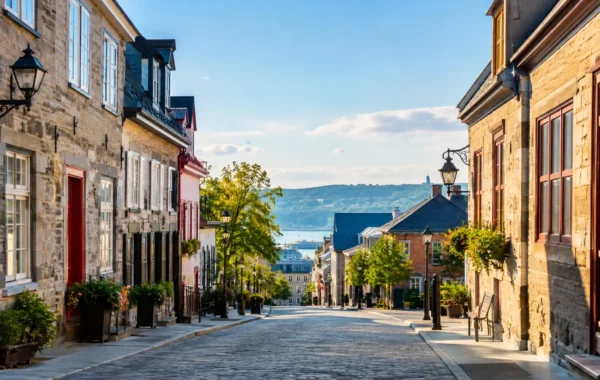
This is particularly true in heritage cities, where visitors are already primed to seek out places with character. In such settings, a museum that also functions as a cultural centre can respond to the rhythms of travel far better than a purely static institution. Guests may come for the collection, stay for a meal, linger over an exhibition, return for an event, and leave with a deeper sense of the destination itself.
That kind of layered experience is not incidental. It reflects a more contemporary understanding of cultural stewardship. Preserving the past is one task. Ensuring people connect with it willingly and meaningfully is another. If a site can do both, it becomes not just relevant, but magnetic.
In George Town, where heritage is felt in streetscapes, foodways and seafaring memory, this model feels especially apt. A place such as Straits & Oriental Museum shows how maritime history can be presented not as a narrow subject for specialists alone, but as a rich and refined encounter for a broad audience.
Authenticity still matters most
None of this works without substance. A stylish setting cannot compensate for a weak collection, and an ambitious programme cannot replace historical credibility. If anything, the more immersive the experience becomes, the more important authenticity is.
Visitors are discerning. They can tell when objects carry genuine historical weight and when storytelling has been overextended. They respond to institutions that respect both the intelligence of the audience and the integrity of the artefacts.
This is why collection-led heritage spaces retain such appeal. Authentic ceramics, porcelain and recovered objects from historic maritime routes do more than decorate a gallery. They anchor the entire experience. They offer proof of trade, taste and exchange across centuries. They reveal how fragile goods travelled immense distances and how the sea, so often imagined as empty space, was in fact a theatre of commerce and cultural encounter.
For the visitor, that creates a rare pleasure: the chance to stand close to something that has genuinely survived history. Not a replica, not a digital reconstruction, but the material evidence itself.
The value of blending heritage with hospitality
Some purists remain wary of the hybrid model. They worry that adding dining, retail or lifestyle elements dilutes seriousness. It can, if handled poorly. A heritage institution should never feel like a themed backdrop for commerce.
Yet the opposite can also be true. When handled with intelligence, hospitality deepens the cultural experience rather than distracting from it. It gives visitors time to absorb what they have seen. It creates a social rhythm around the visit. It allows a museum to become part of a day, not merely an obligation within one.
There is also a practical truth here. Institutions that wish to thrive need sustainable ways to engage the public. Ticketing alone rarely supports ambition. Carefully integrated food, beverage, retail and programming can help sustain preservation while broadening the audience.
The key is coherence. The café, gallery, gift house or event space should feel like an extension of the same curatorial mind. If the collection speaks of maritime trade, craftsmanship and the splendour of porcelain, the wider environment should echo that sensibility through design, storytelling and quality.
Cultural centre or museum for families, collectors and travellers
Different visitors look for different things, and the best institutions recognise this without becoming muddled.
Families tend to want an experience that is educational but not severe. They value spaces that encourage curiosity, visual engagement and a sense of occasion. A broader cultural setting helps younger visitors relate to history as something alive.
Collectors and connoisseurs often arrive with sharper expectations. They care about provenance, rarity and presentation. For them, authority matters. A museum-led foundation reassures them that what they are seeing is not merely decorative, but culturally and historically important.
Travellers often sit somewhere between the two. They want depth, but they also want the visit to feel distinctive to the place they are in. A heritage destination that combines serious artefacts with atmosphere, dining and exhibition culture answers that need well. It becomes part of how they remember the city, not just one more attraction ticked off in passing.
So which matters more?
If the choice is between a cultural centre or museum, the honest answer is that it depends on what the institution is trying to do, and how well it does it. A museum with an extraordinary collection and poor interpretation can feel distant. A lively cultural centre with little historical depth can feel fleeting.
But when the strengths of both are brought together with discipline, something more compelling emerges. The museum gives the place authority. The cultural centre gives it energy. One protects the story. The other invites people into it.
That combination feels especially suited to audiences who want more from their leisure time – not more noise, but more richness. They want heritage that can be felt as well as understood. They want a setting that honours the past without freezing it into silence.
Perhaps that is the most useful way to think about the question. Not as a contest between two models, but as a sign of how cultural expectations have matured. People still value expertise, rarity and preservation. They simply want those qualities presented in a way that feels generous, elegant and alive.
The finest heritage destinations do not force a choice. They show that history can be carefully preserved and beautifully experienced at the same time – and that is often what brings visitors back.