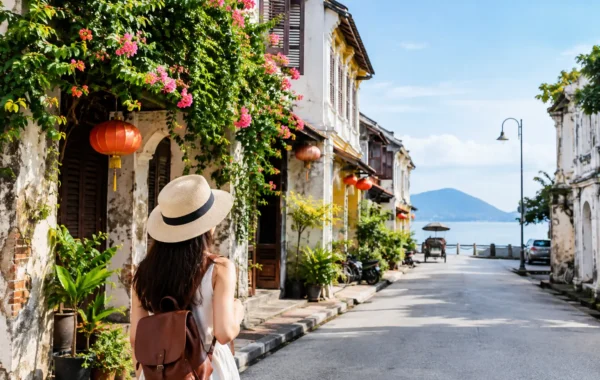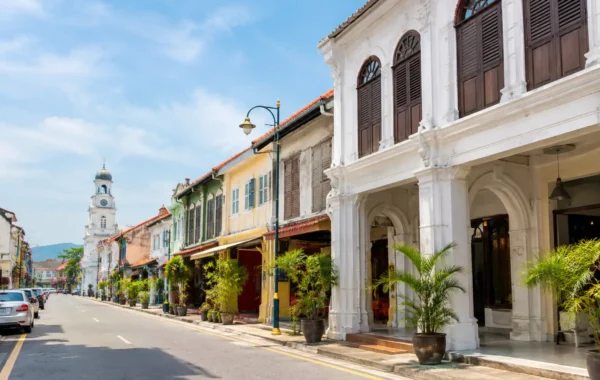
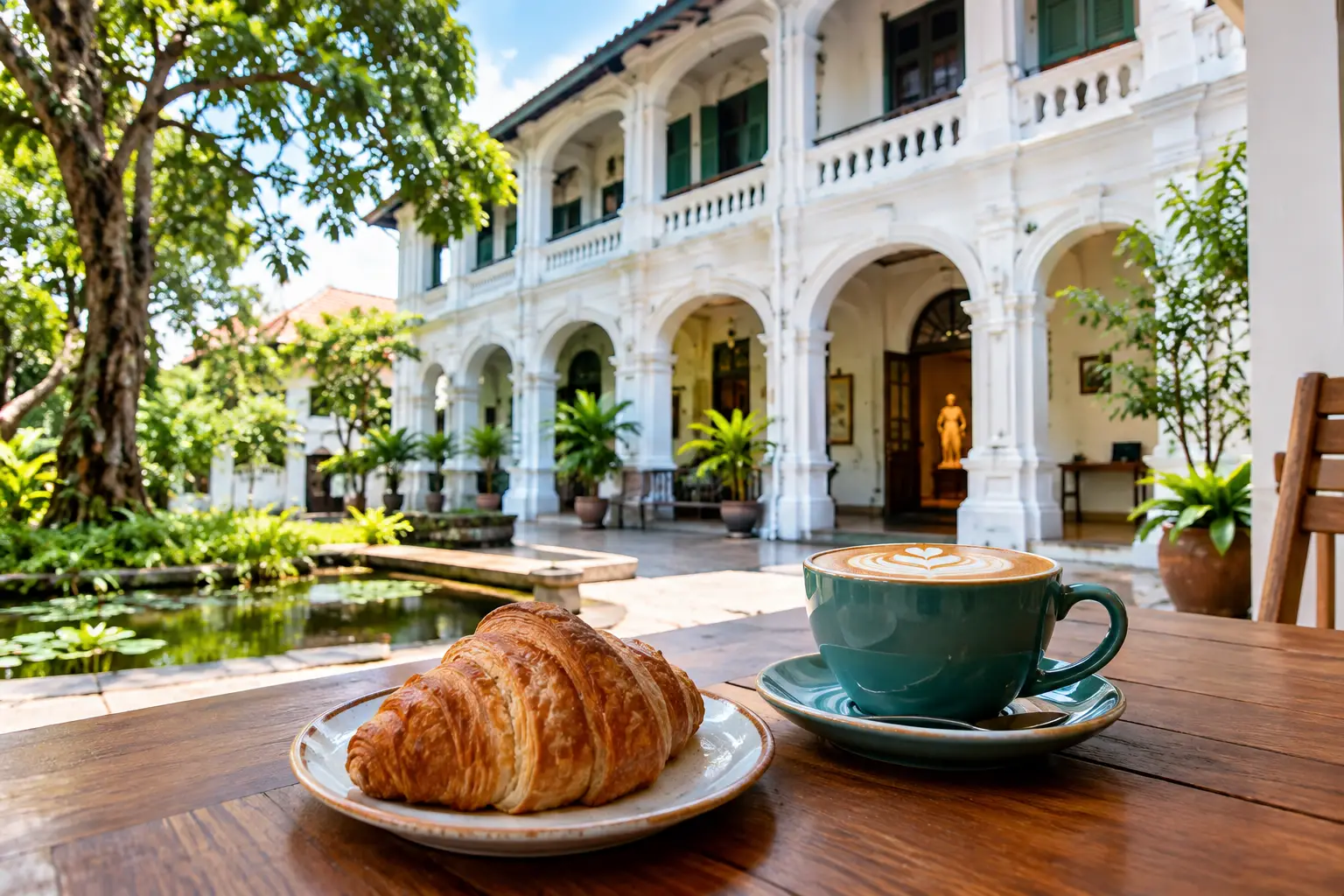

A visit to Penang is often planned around streets, shophouses and food, but the most memorable days make room for a slower rhythm. Penang museum cafes offer precisely that: the chance to move from artefacts and architecture to a considered meal or drink without breaking the thread of the story. Rather than treating refreshment as an afterthought, the best heritage venues make it part of the occasion.
For cultural travellers, this matters. A museum can reveal the forces that shaped a port city, but a table afterwards gives those discoveries time to settle. It is where families compare favourite objects, couples linger over a shared plate, and collectors revisit the detail that caught their eye in a glazed bowl or painted porcelain shard.
Why Penang Museum Cafes Feel Different
George Town has long been shaped by exchange. Goods, people, recipes, languages and ideas arrived by sea, then found new life in its lanes and trading houses. A museum café in this setting can carry more meaning than a convenient cup of coffee. It can extend the encounter with place.
The distinction lies in context. In an ordinary café, the room may be pleasant but largely separate from the day around it. In a museum setting, food and drink follow an exhibition, gallery visit or conversation about history. The atmosphere is informed by what has just been seen: the craftsmanship of an object, the route of a ship, the cultural reach of a trading network.
That does not mean every stop must be solemn. Heritage is more inviting when it is lived with ease. A well-designed cultural destination should allow visitors to study a centuries-old vessel’s cargo, then sit down for lunch, enjoy a cool drink or browse for a meaningful keepsake. The experience becomes fuller, not more formal.
A Better Pace for a Day in George Town
George Town rewards curiosity, but it can also tempt visitors into rushing. There is always another façade to photograph, another gallery to enter and another celebrated hawker dish to seek out. By mid-afternoon, a packed itinerary can begin to blur into one long walk.
Building a museum café into the day creates a useful pause. Arrive with enough time to look properly, rather than treating the museum as a tick-box attraction. Afterwards, allow for a meal or drink in the same cultural setting. This rhythm is especially valuable in Penang’s heat, when the most sensible itinerary is not necessarily the fastest one.
For families, the pause gives children an opportunity to talk about what they have seen before attention shifts elsewhere. For travelling couples, it makes a museum visit feel less like an appointment and more like a shared afternoon. For those with a serious interest in art or antiques, it offers the rare luxury of unhurried reflection.
The right timing depends on your plans. Choose a morning visit if you prefer a lingering lunch after the galleries. Visit later in the day if a quieter drink and a change of pace suit your itinerary. During busy holiday periods, it is wise to leave space in the schedule rather than arriving with only a few minutes to spare.
Where Maritime History Meets the Table
Penang’s relationship with the sea is not an abstract idea. It is present in its harbour, its mercantile past and the many communities that made the island a meeting point across Asia. Maritime museums bring this history into focus through material evidence, especially ceramics that survived beneath the water for centuries.
Shipwreck porcelain has a particular power. A bowl, jar or plate was once cargo: an object made to travel, trade and enter daily life far from the kiln where it began. When recovered and conserved, it becomes evidence of taste, technology and the commercial routes that connected regions long before modern tourism.
At Straits & Oriental Museum, authentic ceramics recovered from significant Asian shipwrecks form the heart of that encounter. Collections associated with the Wanli, Turiang, Royal Nanhai, Nanyang, Xuande and Desaru shipwrecks provide a remarkable route into the story of maritime exchange. Seeing such artefacts before dining within the wider destination makes the transition from history to hospitality feel natural rather than staged.
This is the appeal of an integrated heritage venue. The museum does not ask visitors to choose between intellectual curiosity and a pleasurable day out. It recognises that both can belong together, provided the objects and their histories remain the centre of attention.
What to Look for in a Museum Café Experience
Not every café beside a cultural attraction will offer the same quality of experience. The most rewarding places have a clear sense of their setting. Their hospitality feels considered, their spaces encourage visitors to stay awhile, and the surrounding programme gives a meal a reason to be there.
Look first for authenticity. The strongest museum cafés are attached to institutions with real collections, thoughtful interpretation and a genuine connection to local history. A heritage theme alone is not enough. When the objects have provenance and the stories are carefully told, the meal takes on a different character.
Atmosphere matters too, though it should not overwhelm the museum itself. A good setting may offer visual detail, art, period architecture or a graceful interior, but it does not need to turn every corner into a photo opportunity. The finest spaces allow visitors to appreciate the setting while keeping the cultural experience intact.
Finally, consider whether the venue can hold your whole afternoon. A café is useful; a destination that also offers exhibitions, art, a bar and a gift house can be far more satisfying. It suits visitors with different interests and prevents the common problem of splitting a group between those who want culture and those who simply want somewhere pleasant to sit.
More Than a Convenient Lunch Stop
There is a practical benefit to having dining within a museum destination, but convenience is only the beginning. It changes how people engage with heritage. Visitors who might hesitate to spend an hour in a conventional museum often find the promise of a wider experience more inviting. They can make an afternoon of it, at their own pace.
This model also respects the reality of contemporary travel. People want meaningful experiences, but they do not always want to spend the entire day in a silent gallery. A museum café makes room for conversation, rest and enjoyment without reducing heritage to background decoration.
For international visitors, it can be an accessible introduction to Penang’s layered past. For local residents, it offers a reason to return, perhaps for a special exhibition, a new menu, a gathering with friends or a quiet cultural escape from the familiar routine. Repeat visits are often how a museum becomes part of a city’s living cultural life rather than a place seen once and forgotten.
Make the Visit Feel Considered
The simplest way to enjoy a museum café is to resist the urge to rush through either half of the experience. Begin with the galleries. Read enough of the display text to understand why a particular object matters, and let yourself notice the smaller details: a brushstroke, a crackle in the glaze, a form designed for a journey across open water.
Then take that curiosity to the table. Discuss the objects that surprised you. Ask what the cargo of a wreck suggests about the people who commissioned, made and used it. If you are travelling with children, invite them to choose one object they would place in their own imaginary collection. These small conversations turn observation into memory.
A gift house can also be worth a little time, particularly for visitors seeking something more resonant than a standard souvenir. The best mementos are not necessarily expensive. They simply carry the place and its story home with you.
A Cultural Pause Worth Keeping
Penang’s great pleasures are rarely found by hurrying between them. Make time for the porcelain that crossed ancient seas, the stories held within a historic setting, and the meal or drink that lets the experience breathe. A good museum café does not pull you away from culture. It gives culture a more generous place to remain with you.