
A porcelain bowl recovered from the sea carries a different kind of beauty. Its glaze may be softened by centuries underwater, its pattern still vivid despite a journey interrupted long ago. The Straits and Oriental Museum is a must-visit place for tourists because it brings these remarkable objects out of the abstract and into a richly told story of trade, travel, craft and human ambition.
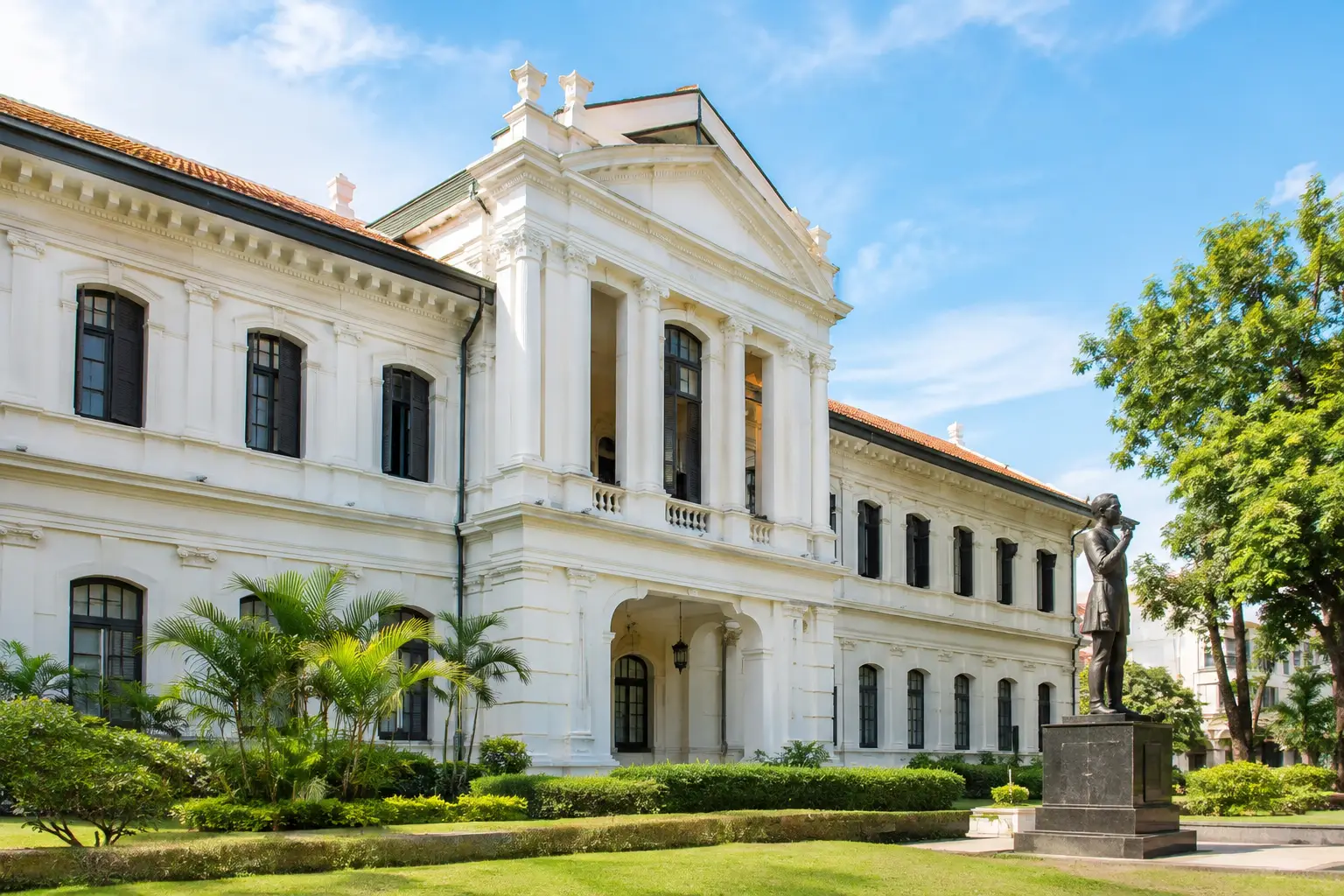
Set within the heritage atmosphere of George Town, this is not a museum designed for a hurried tick-box visit. It is a cultural destination where maritime archaeology meets art, dining, collecting and conversation. For visitors seeking more than a photograph in front of a historic façade, it offers a memorable encounter with the objects that once crossed Asia’s busiest sea routes.
Why the Straits and Oriental Museum is a must-visit for tourists
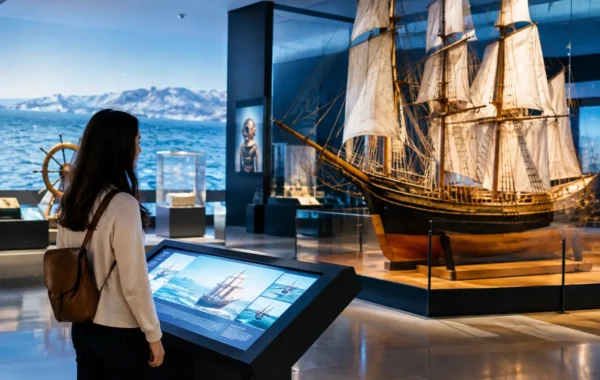
Penang has long been shaped by movement. Merchants, sailors, craftsmen and families arrived by sea, carrying languages, recipes, beliefs and goods that helped form the island’s distinctive character. The museum makes that maritime inheritance tangible through authentic porcelain and ceramic artefacts recovered from significant Asian shipwrecks.
These are not reproductions arranged simply to fill display cases. They are surviving witnesses to voyages that connected China, Southeast Asia and the wider world. Pieces from the Wanli, Turiang, Royal Nanhai, Nanyang, Xuande and Desaru shipwrecks offer a rare view of the objects that travelled with traders and crews across dangerous waters.
That is what makes the experience compelling for first-time visitors and seasoned heritage enthusiasts alike. A dish, jar or storage vessel can be admired for its shape and decoration, but it also prompts larger questions. Who made it? Who commissioned it? Where was it intended to go? What did it mean to the people who used it before the sea claimed the vessel carrying it?
The answers are not always complete, and that uncertainty is part of the fascination. Maritime archaeology is a field of fragments. Yet when carefully presented, those fragments reveal the scale and sophistication of historic Asian commerce with extraordinary clarity.
A journey through the splendour of porcelain
Porcelain is often described as delicate, but the collection tells a more complex story. These wares were made to travel. They were packed in great numbers, traded across borders and used in homes, on tables and in ceremonial settings. Their survival beneath the sea is a testament both to their material quality and to the far-reaching networks that distributed them.
Visitors can appreciate the changing styles, forms and decorative traditions represented across different periods. Some pieces feel immediately familiar in their elegance, while others invite a closer look at unusual motifs, practical shapes and traces of their life at sea. The pleasure is visual, certainly, but it is also historical. Each artefact sits at the meeting point of artistic accomplishment and global exchange.
For collectors, the museum offers an especially rewarding perspective. Seeing ceramics in the context of a shipwreck collection encourages a deeper appreciation of provenance, period and craftsmanship. For families, it provides an accessible way to show younger visitors that history is not confined to textbooks. It can be held in the imagination through a cup, a plate or a jar that has travelled across centuries.
More than a conventional museum visit
The Straits & Oriental Museum is recognised as Penang’s first museum of its kind and Malaysia’s first integrated heritage and lifestyle museum. That distinction matters because the experience extends beyond a traditional gallery circuit.
A visit can begin with the quiet concentration of viewing rare artefacts, then move naturally into contemporary art, temporary exhibitions, a considered meal, coffee or an evening drink. The setting encourages visitors to linger rather than rush towards an exit. It turns a cultural stop into an unhurried part of the day, whether you are travelling as a couple, with friends or across generations.
This integrated approach is particularly valuable on a holiday. Many travellers want substance as well as ease: a place where they can learn something meaningful without treating culture as a duty. Here, heritage is given room to breathe alongside hospitality. The result is sophisticated without feeling remote, and informative without becoming overly academic.
There is also a gift house for those who wish to take home a considered reminder of their visit. Rather than relying on generic souvenirs, the broader experience remains connected to the themes of artistry, history and collecting that define the museum itself.
The ideal stop for curious travellers
The museum suits several kinds of visitor, but the common thread is curiosity. History lovers will find a focused maritime narrative grounded in authentic material culture. Design-minded travellers can spend time with the colour, line and refinement of historical ceramics. Those with limited time in George Town will find an experience that offers depth without requiring an entire day.
It is also well suited to visitors who may not usually place museums at the top of their itinerary. The story begins with objects that are visually striking and easy to approach. From there, the wider history of sea trade, cultural exchange and regional craftsmanship becomes increasingly absorbing.
Timing depends on the kind of visit you want. A quieter daytime visit is ideal for looking closely at the displays and absorbing the stories at your own pace. Later in the day, the destination’s food and beverage offerings can make it a more social occasion. Neither approach is better. The first rewards reflection; the second turns heritage into part of a relaxed afternoon or evening out.
How to make the most of your visit
Give yourself permission to slow down. Shipwreck ceramics reward attention because their significance is rarely limited to their surface decoration. Notice the variation in form, the scale of the pieces and the small details that suggest how they may have been used or transported.
It is worth approaching the collection as a sequence of journeys rather than a set of isolated objects. Consider the distance between the kiln where a vessel was made and the ship that carried it. Think about the ports, markets and households it may have reached had its voyage continued. This simple shift in perspective makes the displays feel alive.
If you are travelling with children, ask them to choose one object they would have wanted to rescue from the wreck and why. If you are visiting with a partner or friends, compare the pieces that first catch your eye. Such conversations are often the most enduring souvenir, because they turn looking into shared discovery.
Allow time afterwards for a meal, a drink or a browse through the gift selection. The museum’s character lies in this balance between contemplation and pleasure. It celebrates history not as something sealed behind glass, but as a continuing source of taste, inspiration and good stories.
A cultural landmark with a sense of place
George Town is celebrated for its layered streetscapes and living heritage, but its relationship with the sea deserves equal attention. The Straits and Oriental Museum gives visitors a vivid route into that story. It reminds us that Penang’s cultural richness was never created in isolation. It grew through connections across water, between communities, and through the exchange of objects and ideas.
For tourists, that makes the museum more than an attractive addition to an itinerary. It is a place to understand the region through the things that moved across it. Stand before a porcelain piece that survived a shipwreck, take in its improbable journey, and let it change the way you see the harbour, the streets and the stories of Penang around you.