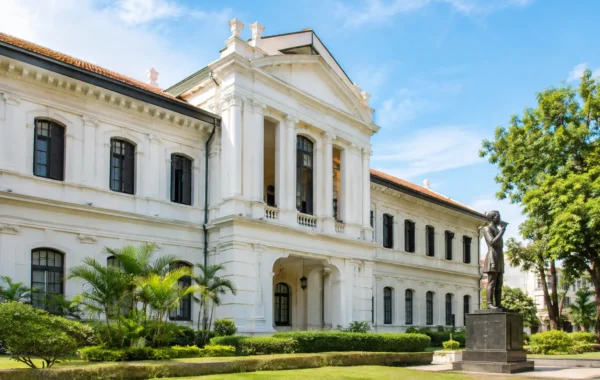
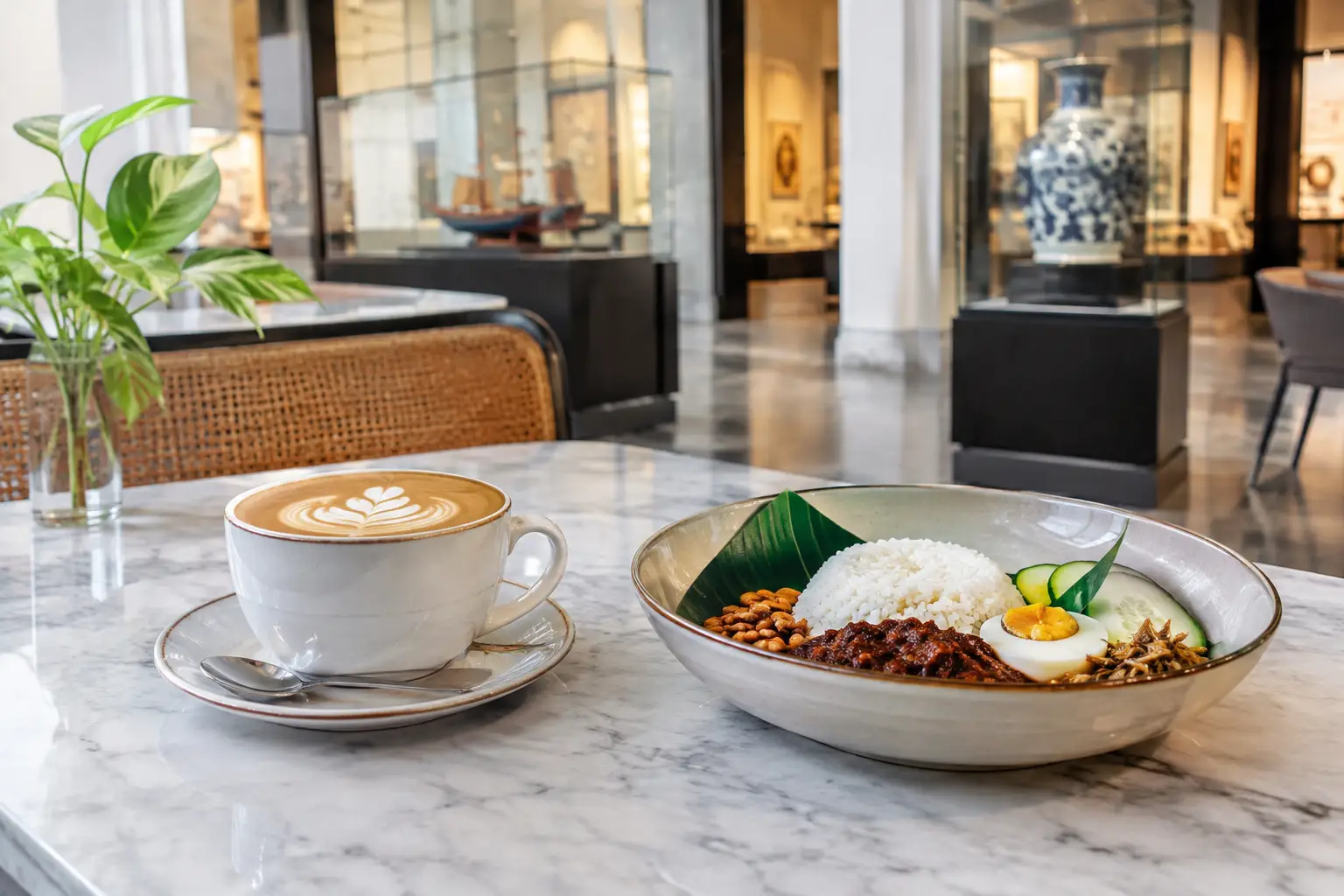

A museum visit is often measured by what one remembers afterwards: the gleam of a centuries-old glaze, a story of a ship crossing uncertain waters, or the pleasure of pausing long enough to let it all settle. Straits Cafe at Straits and Oriental Museum extends that pause into part of the experience, bringing food, conversation and a sense of occasion into a destination shaped by the maritime history of Asia.
Set within one of George Town’s most distinctive cultural destinations, the café is not simply somewhere to stop between galleries. It belongs to a wider encounter with heritage, where shipwreck ceramics, art, exhibition-making and hospitality sit side by side. For travellers seeking more than a hurried sightseeing schedule, this is a place to make room for both discovery and reflection.
Why Straits Cafe at Straits and Oriental Museum belongs on your itinerary
The Straits have long been a meeting place – of merchants, seafarers, ideas, ingredients and objects carried across vast distances. That history gives a café in this setting a particular resonance. After viewing porcelain recovered from renowned Asian shipwrecks, visitors can take a seat and consider the human journeys behind the artefacts: the makers, traders and sailors whose worlds were connected by the sea.
This is what distinguishes a visit here from the familiar museum-and-coffee format. The café forms part of Malaysia’s first integrated heritage and lifestyle museum, a destination designed around the belief that cultural learning should feel alive, welcoming and shareable. The transition from gallery to table is intentional. It allows the stories encountered among ancient ceramics to continue in a more relaxed register.
For couples, it offers a refined interval within a day spent in George Town. Families can use it as a natural breather after engaging with the displays, while collectors and design-minded visitors may appreciate the chance to linger in surroundings that place craftsmanship and cultural exchange at the forefront. It is equally suited to the traveller who wants a considered cultural outing without having to separate history from the rest of the day.
Make the café part of the museum experience
The best way to enjoy the café is to resist treating it as an afterthought. Begin with the museum collection, where authentic porcelain and ceramic artefacts reveal the scale and sophistication of historic maritime trade. The Wanli, Turiang, Royal Nanhai, Nanyang, Xuande and Desaru shipwreck collections offer different windows onto the routes that linked China, Southeast Asia and beyond.
As you move through the galleries, notice details rather than trying to absorb every label at once. Look at the variations in form and decoration. Consider what a bowl, jar or plate meant before it became an artefact: an everyday object, a luxury good, a diplomatic gift, or cargo destined for another shore. Those small observations give the later pause at the café greater texture.
A visit can work particularly well in three rhythms. Arrive early and enjoy the café as a gentle start before entering the galleries. Visit the museum first, then settle in afterwards to discuss the objects that caught your eye. Or make the museum part of a longer afternoon in which an exhibition, the café, the bar and the gift house become different chapters of the same outing.
There is no single correct order. It depends on whether you are looking for a focused historical visit, a leisurely date, or a family day that balances attention spans with moments of rest. The value lies in allowing enough time for the venue to reveal its layers.
A setting for conversation, not a rushed refuel
Some heritage sites ask visitors to move quickly from one highlight to the next. Here, the atmosphere invites a different pace. A café table can become the place where children choose a favourite ceramic motif, friends compare the objects they found most surprising, or travellers map out the next stop on a George Town itinerary.
That slower tempo matters because maritime archaeology can feel abstract at first. Dates, dynasties and cargo manifests acquire greater meaning when visitors have time to talk about them. A well-timed pause turns observation into memory.
The experience is also well suited to those travelling with companions whose interests differ. One person may be drawn to antique ceramics, another to design, food or the social history of Penang. An integrated destination gives each visitor a reason to feel included, without reducing the collection to a backdrop.
What makes a heritage café visit memorable
The appeal is not about replicating the past. It is about presenting it with care in the present. The museum’s permanent collection documents the splendour of porcelain while placing it within the sea-borne networks that shaped the region. The café complements this sense of cultural exchange through hospitality – a universal language, yet one that always takes on the character of its setting.
For international visitors, this offers a particularly accessible route into Penang’s maritime identity. George Town is celebrated for its layered architecture and food culture, but its role within regional trade is just as essential to its story. A visit to the museum, followed by time at the café, makes that connection tangible without requiring specialist knowledge.
For local visitors, the experience can offer a fresh perspective on familiar surroundings. Penang’s cosmopolitan character did not emerge by accident. It was shaped over generations by arrivals, departures and exchanges across the water. The ceramics in the collection are enduring witnesses to that movement, and the café provides a contemporary place to sit within that continuing story.
Plan with time and curiosity
Allow more time than you think you need. A visit that combines the museum and café is best enjoyed without watching the clock too closely, especially if you are drawn to the detail of the collections or visiting alongside a temporary exhibition. The atmosphere rewards curiosity more than efficiency.
If you are visiting with children, invite them to search for shapes, colours and patterns in the porcelain before stopping for a break. Rather than asking them to remember dates, ask which object they would have chosen to carry on a ship and why. It is a simple way to make the collection personal and to encourage imaginative looking.
If you are travelling as a couple or with friends, use the café as a point of reflection. Which shipwreck story stayed with you? Did the objects feel familiar, luxurious, practical or unexpectedly modern? These questions need no expert answers. They simply make space for the collection to become part of your own journey through Penang.
Photography-minded visitors should also remember that the strongest images are not always the most obvious ones. Look for the dialogue between historic forms, gallery details and the contemporary life of the destination. Respect any photography guidance in the exhibition spaces, and let the setting lead rather than forcing the moment.
A cultured pause in George Town
Straits Cafe at Straits and Oriental Museum is most rewarding when seen as one element of a complete cultural outing. The artefacts provide the depth, the galleries provide the narrative, and the café offers the unhurried space in which the experience can breathe. It is a thoughtful alternative to moving straight from one attraction to the next.
In a city built on encounters between cultures, taking time over a museum visit feels fitting. Let a glimpse of porcelain carried across the seas lead to a conversation, a quiet pause, or the beginning of another story worth taking home.