
A fragment of porcelain lifted from the seabed can hold more than decorative beauty. It can reveal the trade routes that connected China, Southeast Asia and Europe, the tastes of households long vanished, and the perilous passage of a ship carrying its cargo across monsoon seas. Archaeological tourism growth is being driven by precisely these encounters: travellers are seeking places where history feels tangible, local and worth lingering over.
For destinations with a genuine archaeological story, this creates an opportunity that goes beyond adding another stop to an itinerary. The strongest heritage experiences do not treat artefacts as isolated objects behind glass. They place them within a living setting of food, architecture, conversation and cultural memory. Visitors leave not merely having seen the past, but having understood why it matters where they are standing.
Why archaeological tourism growth is gathering pace
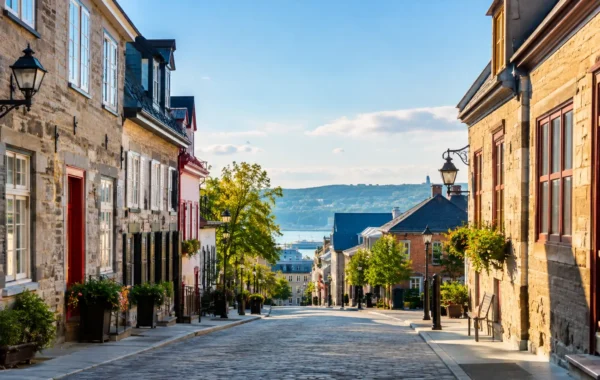
Many travellers have become more selective about what they give their time to. A landmark may draw a photograph, but an authentic story earns a longer visit, a recommendation and a reason to return. Archaeological sites, collections and museums answer a growing desire for experiences with depth – particularly in historic cities where the streets themselves already suggest layers of exchange, migration and craftsmanship.
This interest is also shaped by a welcome shift in how people define leisure. A museum visit is no longer reserved for the academically minded visitor or the rainy afternoon. Couples want a thoughtful cultural outing before dinner; families look for activities that are both engaging and worthwhile; collectors seek proximity to rare material culture. International visitors, meanwhile, often want to understand a destination beyond its most familiar images.
Maritime archaeology has a particular advantage. Shipwreck collections make trade history immediate because their objects were made to move. A bowl, jar or blue-and-white porcelain dish may have travelled thousands of miles before it was lost at sea. Its recovery connects the visitor to a dramatic moment of interruption, while its design points to the everyday lives and commercial networks that existed before the wreck.
The value lies in context, not quantity
There is a temptation to measure heritage success by visitor numbers alone. Attendance matters, of course: it supports conservation, jobs, programming and the continued care of collections. Yet growth that relies only on volume can weaken the very qualities that make archaeological tourism distinctive.
A crowded gallery with limited interpretation may feel less meaningful than a carefully paced visit with excellent storytelling. Likewise, a small collection can be more compelling than a vast display when visitors understand where the artefacts came from, who made them, how they were used and what their discovery has added to history.
Interpretation should be clear without becoming simplistic. The most memorable experiences make room for curiosity. Why did this vessel carry this particular cargo? What does a kiln mark tell us? How did Penang and the wider Malay Archipelago sit within maritime networks that linked ports, merchants and communities across Asia? These questions turn observation into participation.
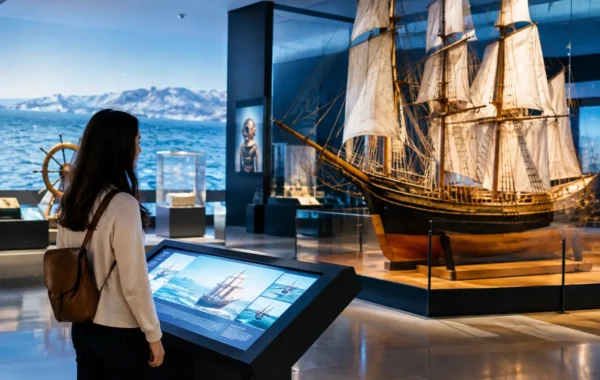
For museums, this means presenting scholarship with confidence and warmth. Labels remain useful, but objects also benefit from maps, visual reconstructions, guided conversations and well-considered exhibition design. Visitors do not need to be specialists to appreciate the splendour of porcelain or the significance of a trade route. They need an inviting way into the story.
Authenticity is the lasting advantage
Archaeological tourism can become overly theatrical when spectacle takes precedence over substance. Digital displays, atmospheric lighting and immersive installations can enrich a visit, but they cannot replace provenance, expert care and honest interpretation. A projection can set a scene; an authentic cargo recovered from a centuries-old shipwreck gives that scene weight.
This is why museums and heritage operators must be candid about what is known, what is inferred and what remains uncertain. Archaeology is often an incomplete record. That uncertainty is not a weakness. It reminds visitors that the past is continually being researched, conserved and reconsidered.
From museum visit to cultural occasion
The most successful archaeological destinations understand that visitors experience heritage with all their senses. They may arrive for an exhibition, then extend their stay for a meal, browse a considered gift selection or attend a talk. This does not diminish the historical purpose of a museum. When handled with care, hospitality gives people more time and more reasons to connect with the collection.
An integrated setting can be especially effective in a heritage city. A well-made drink after a gallery visit creates space to discuss what has been seen. A menu informed by regional food traditions can complement stories of maritime exchange. A gift house can offer objects that carry the visit beyond the building, provided the selection is thoughtful rather than generic.
At Straits & Oriental Museum, shipwreck ceramics offer a distinctive starting point for this kind of cultural occasion. The collections invite visitors into the maritime history of Asia, while the wider museum experience allows history, art, dining and conversation to sit naturally alongside one another. It is a model that recognises a simple truth: people remember how a place made them feel as much as what it taught them.
There is a balance to protect. Retail and food should support the heritage experience, not distract from it. Visitors can quickly sense when a historic story has been reduced to a backdrop for consumption. The answer is not to remove hospitality, but to make it worthy of the setting – considered, place-aware and respectful of the collection’s significance.
What responsible growth requires
Archaeological tourism growth brings real responsibilities. Fragile sites and artefacts cannot be treated as endlessly renewable attractions. Increased demand may place pressure on conservation resources, surrounding neighbourhoods and the people who live with tourism every day.
Responsible operators plan for care before promotion. That includes sensible visitor flow, appropriate environmental controls, staff training and investment in conservation. It also means avoiding exaggerated claims. Heritage has enough drama without invention, and discerning travellers increasingly value institutions that communicate with accuracy.
Local participation matters just as much. Tourism is more sustainable when the benefits extend beyond ticket sales to guides, educators, craftspeople, hospitality teams and nearby independent businesses. A heritage attraction should strengthen its cultural ecosystem, not stand apart from it.
For cities with established historic identities, the challenge is to avoid turning the past into a fixed stage set. Living heritage includes present-day communities, working traditions and evolving interpretations. Archaeological collections should illuminate those connections rather than suggest that history ended when an object entered a museum case.
Technology should deepen attention
Technology has a useful role, especially where an archaeological story is difficult to picture. A digital map can trace a ship’s intended route; an animation can show how cargo was stowed; an audio guide can offer different pathways for children, collectors and first-time visitors. These tools can make specialist knowledge more accessible.
But technology works best when it sends attention back to the artefact. The visitor should finish with a sharper appreciation of the ceramic bowl, anchor or cargo jar before them, not with a memory only of the screen. In archaeology, material evidence remains the heart of the experience.
A richer reason to travel
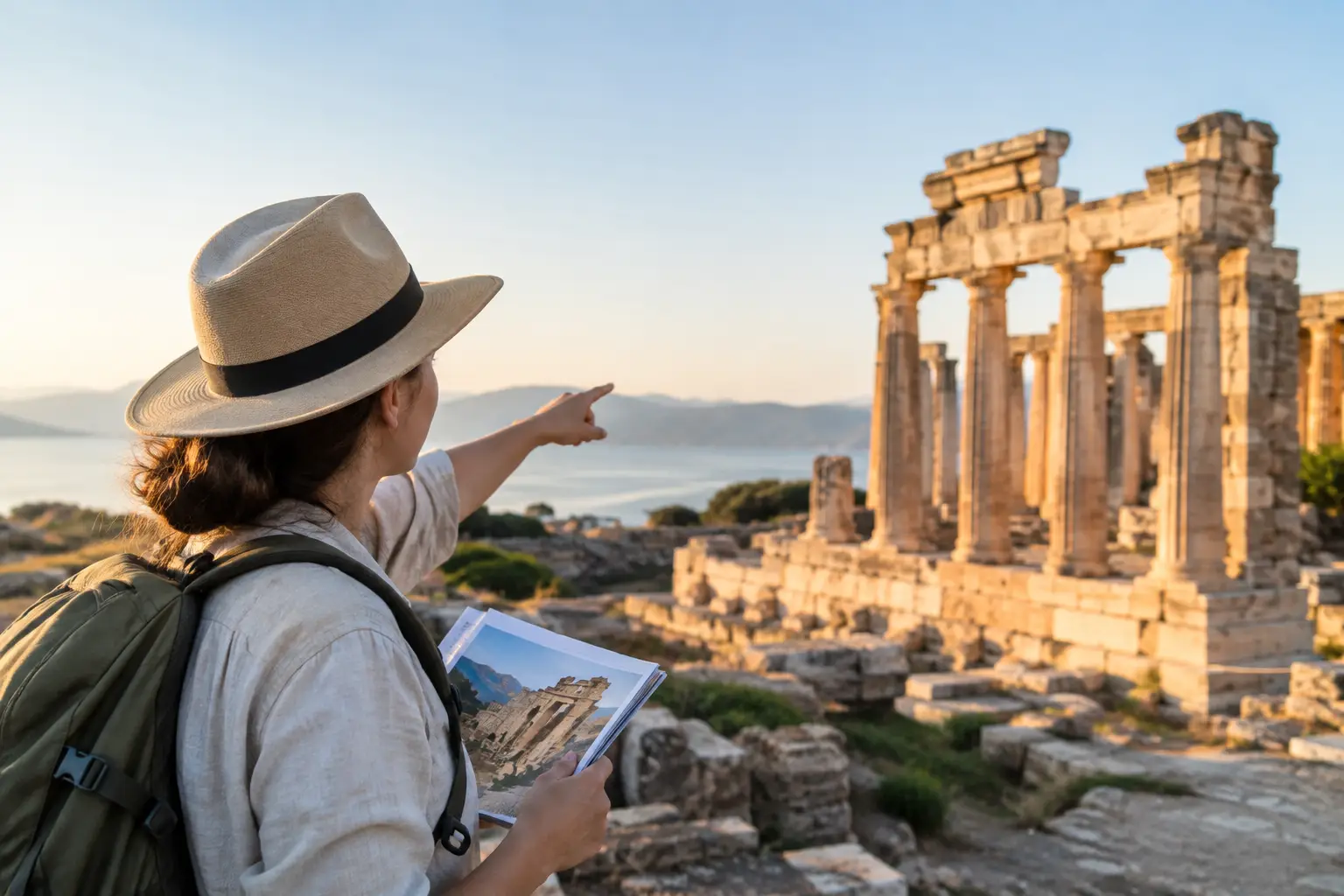
The future of archaeological tourism will not belong only to grand ruins or headline discoveries. It will also belong to places that reveal the quiet evidence of connection: a porcelain vessel shaped by a distant kiln, a cargo hold preserved beneath the sea, a port city whose food and architecture still reflect centuries of exchange.
For travellers, the reward is a more meaningful relationship with place. For cultural destinations, the opportunity is to welcome visitors with ambition while caring for the evidence entrusted to them. Choose experiences that make time for the object, the story and the community around it – those are the visits that remain long after the journey home.