
A bowl lifted from a shipwreck is never just a bowl. Its glaze, shape, kiln marks and wear can speak of long-distance trade, changing taste, diplomatic exchange and the hazards of the sea. This guide to maritime trade ceramics is designed for visitors, collectors and curious travellers who want to look beyond surface beauty and understand why these objects matter so deeply.
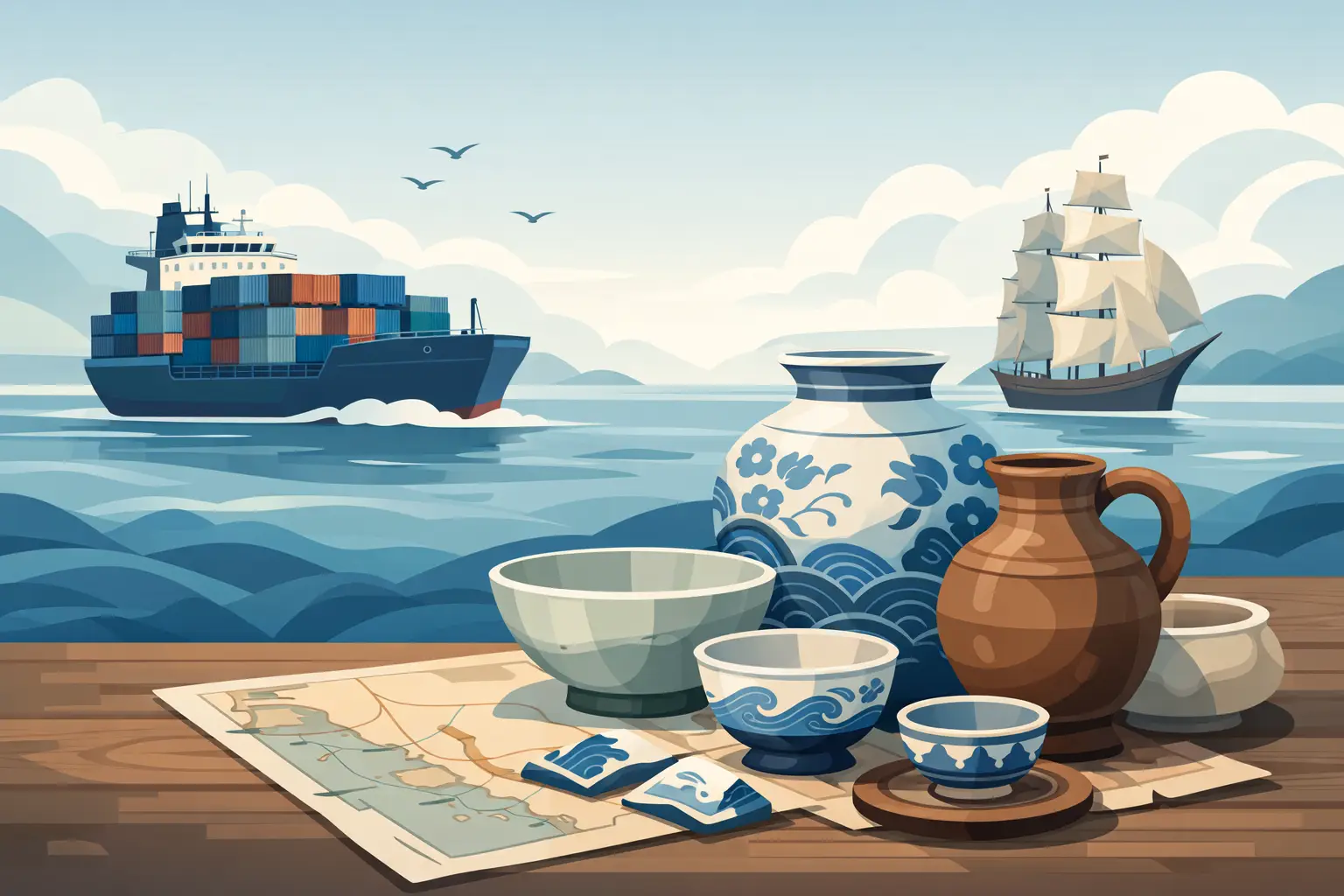
Maritime trade ceramics sit at the meeting point of commerce, craftsmanship and human movement. They were made to travel, bought to be used or admired, and carried across monsoon routes that connected ports, courts and households across Asia and beyond. When they survive in shipwrecks, they preserve a remarkably direct record of what people valued, what merchants loaded, and how far ceramics could move from kiln to table.
What maritime trade ceramics actually are
In simple terms, maritime trade ceramics are ceramic wares transported by sea for exchange, sale, tribute or everyday use. They include porcelain, stoneware and earthenware, though porcelain often draws the most attention because of its technical refinement, luminous body and enduring prestige.
Yet the category is broader than many first imagine. Some pieces were luxury goods intended for elites. Others were practical wares made in substantial numbers for regional markets. A cargo might include fine blue-and-white dishes, storage jars, kendi, serving bowls and utilitarian pieces packed side by side. That variety is part of the story. Maritime trade was not built only on rarity – it also depended on scale, demand and reliable circulation.
Why a guide to maritime trade ceramics begins with the sea
Ceramics travelled because sea routes made volume possible. Overland trade could carry precious objects, but ships moved large consignments far more efficiently. Ports across Asia became places where styles met, markets adjusted and objects acquired new meanings.
This is why maritime ceramics are so revealing. A vessel leaving one coast might carry wares made for another region’s dining habits, religious preferences or decorative tastes. Potters were not working in isolation. They responded to merchants, brokers and buyers who understood that a successful cargo had to suit the expectations of distant consumers.
The sea also introduces uncertainty. Storms, shifting politics, piracy and navigational error all shaped what survived and what was lost. When a trading vessel sank, its cargo was frozen in time. That is one reason shipwreck ceramics are so compelling – they offer a concentrated snapshot of trade at a particular moment, rather than a collection assembled gradually over generations.
How to read a ceramic object
The first instinct is often to admire decoration, and rightly so. Cobalt blue under a clear glaze, celadon surfaces or delicately painted motifs can be extraordinary. But if you want to understand a maritime ceramic, it helps to look in layers.
Start with the body and glaze. Is the piece porcelain, with a fine, hard, pale body? Is it a heavier stoneware built for endurance? The material gives clues about production centres, intended use and relative value.
Then consider form. A plate made for communal serving tells a different story from a pouring vessel or a covered jar. Shape often reflects how people ate, stored goods, poured liquids or displayed status. Decorative schemes matter too, but not only for beauty. Floral scrolls, marine motifs, geometric bands and courtly emblems can all signal date, market and cultural preference.
Finally, notice evidence of use and transport. Stacking marks, kiln grit, abrasion and marine accretions remind us that these were not abstract art objects at the beginning of their lives. They were manufactured goods moving through demanding commercial systems.
Why shipwreck ceramics matter more than loose antiques
A single antique ceramic can be beautiful, but context gives it force. A shipwreck cargo shows what travelled together, in what quantities and sometimes in what packing pattern. That allows historians and museum visitors to see trade as a system rather than a series of isolated treasures.
This distinction matters. A plate without context may still be datable and attractive, but a plate recovered as part of a documented wreck can reveal route networks, cargo priorities and market structure. It can show whether a shipment leaned towards luxury wares, mixed commerce or broad regional distribution.
There are trade-offs, of course. Marine burial can damage surfaces, and recovery history is not always straightforward. Even so, when handled responsibly and interpreted well, shipwreck ceramics hold an authority that few other artefact groups can match.
The major stories these ceramics tell
One story is technological ambition. High-fired ceramics demanded expertise, resources and organised production. Kilns that supplied maritime trade were often part of sophisticated manufacturing landscapes with access to clay, fuel, labour and export channels.
Another story is taste. Markets were never static. Buyers in one region might favour certain motifs, rim shapes or vessel sizes, and producers adapted. Maritime ceramics show that globalisation is not new. Long before the modern age, workshops were already adjusting designs for foreign demand.
A third story is status. Fine ceramics moved through royal courts, merchant households and ceremonial settings. To own imported porcelain could signal worldliness, wealth or access. Yet status alone does not explain the whole picture. Many wares were also practical, durable and intended for broad consumption. Maritime trade linked aspiration with everyday life.
A guide to maritime trade ceramics for museum visitors
If you are walking through a gallery of shipwreck finds, resist the urge to treat each case as a parade of isolated objects. Instead, ask what sort of cargo you are seeing. Is the display dominated by one ware type, suggesting standardised trade, or does it show variety that points to multiple customer groups?
Notice repetition. Dozens of similar bowls can be as interesting as a single exceptional dish. Repetition tells you merchants were working with confidence in demand. It also reveals that beauty in historical trade was often tied to replication, not just singular masterpieces.
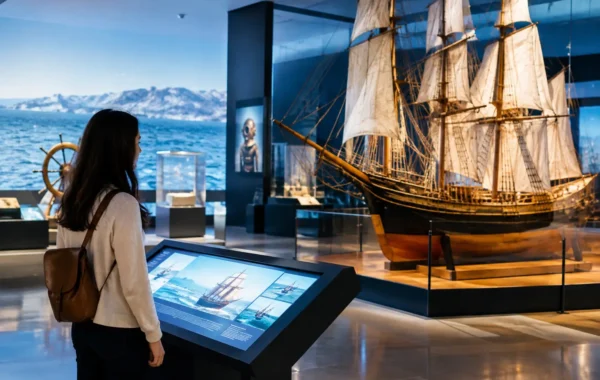
Labels, dates and wreck names are worth your attention because they anchor objects in movement. A museum such as Straits & Oriental Museum brings particular power to this experience by placing authentic shipwreck ceramics at the centre of the story. The result is not merely a display of porcelain, but a portrait of the sea routes that shaped regional history.
What collectors and enthusiasts should keep in mind
Collectors are often drawn to condition, rarity and visual impact, and those remain valid considerations. But maritime trade ceramics ask for a wider lens. Provenance, recovery context and interpretive integrity can matter as much as polish.
This is where nuance matters. A flawless piece may impress, yet a slightly abraded example with strong archaeological context can be far more significant. Likewise, not every blue-and-white bowl is equal simply because it resembles a familiar type. Dating, kiln attribution, cargo association and market destination all affect importance.
For newcomers, the smartest approach is patience. Learn to distinguish between ceramics admired for artistry and ceramics valued for what they reveal about trade history. Sometimes those categories overlap beautifully. Sometimes they do not.
Why these objects still feel immediate
Maritime trade ceramics are centuries old, but they do not feel remote. They speak about appetite, ambition and exchange – themes that remain recognisable. A merchant balancing risk and demand, a workshop adjusting output for foreign buyers, a family dining from imported wares: these are human stories before they are specialist subjects.
That is also why these artefacts belong so naturally in a cultural setting that extends beyond vitrines. Ceramics were part of lived environments. They sat in storerooms, kitchens, reception halls and trading ports. To encounter them today within a place that values story, hospitality and atmosphere feels appropriate rather than theatrical. It restores a sense that heritage was once woven into ordinary, elegant life.
Looking more closely changes everything
The real pleasure of maritime ceramics lies in the second look. At first you may see pattern and polish. Then you begin to notice route, risk, market and memory. A shard can suggest a shipping network. A dish can hint at diplomacy. A cargo can illuminate an era.
If you give these objects your attention, they reward it generously. They remind us that the sea did not only separate worlds – it connected them, carrying fragile things across great distances and leaving behind stories strong enough to outlast the voyage.