
A conference begins before the first speaker takes the stage. It begins when guests arrive, take in their surroundings and understand, almost instinctively, that this will not be another day spent beneath identical downlights in an anonymous function room. Heritage conference venues offer that immediate distinction. They give a gathering a setting with memory, character and a story worth carrying into every conversation.
For organisers, this is not simply an aesthetic choice. The right historic setting can make a launch feel more considered, a leadership meeting more significant and a client dinner more memorable. Yet heritage also asks for care. Older buildings have their own rhythms, spatial limits and conservation priorities. Choosing well means balancing atmosphere with practical delivery.
What heritage conference venues bring to a gathering
A heritage setting gives people something to talk about before the programme has properly started. Original architecture, historical collections, traditional materials and a meaningful local story can turn arrival time into part of the experience rather than a pause before it. This matters especially for delegates who have travelled, international clients and teams gathering after a long period apart.
The strongest venues do not treat history as wallpaper. Their character should connect naturally with the purpose of the event. A discussion about trade, design, hospitality, culture or regional growth gains depth when held in a place that has witnessed the movement of people, ideas and goods across generations. In George Town, a historic port city shaped by maritime exchange, that relationship can feel particularly apt.
There is also a practical advantage to being memorable. Delegates are more likely to photograph, discuss and recall an event that feels rooted in a real place. For brands, that can create a more enduring impression than elaborate staging alone. The setting provides texture, while the programme provides the reason for gathering.
That said, heritage is not a substitute for good event design. A beautiful room with poor sightlines, unclear schedules or inadequate sound remains a difficult conference room. The venue must support the work as convincingly as it inspires the guests.
Start with the purpose, not the postcode
Before comparing rooms, define what delegates need to do there. A board retreat, media preview, product presentation, academic forum and gala reception may all require very different spaces, even when they share an interest in history and atmosphere.
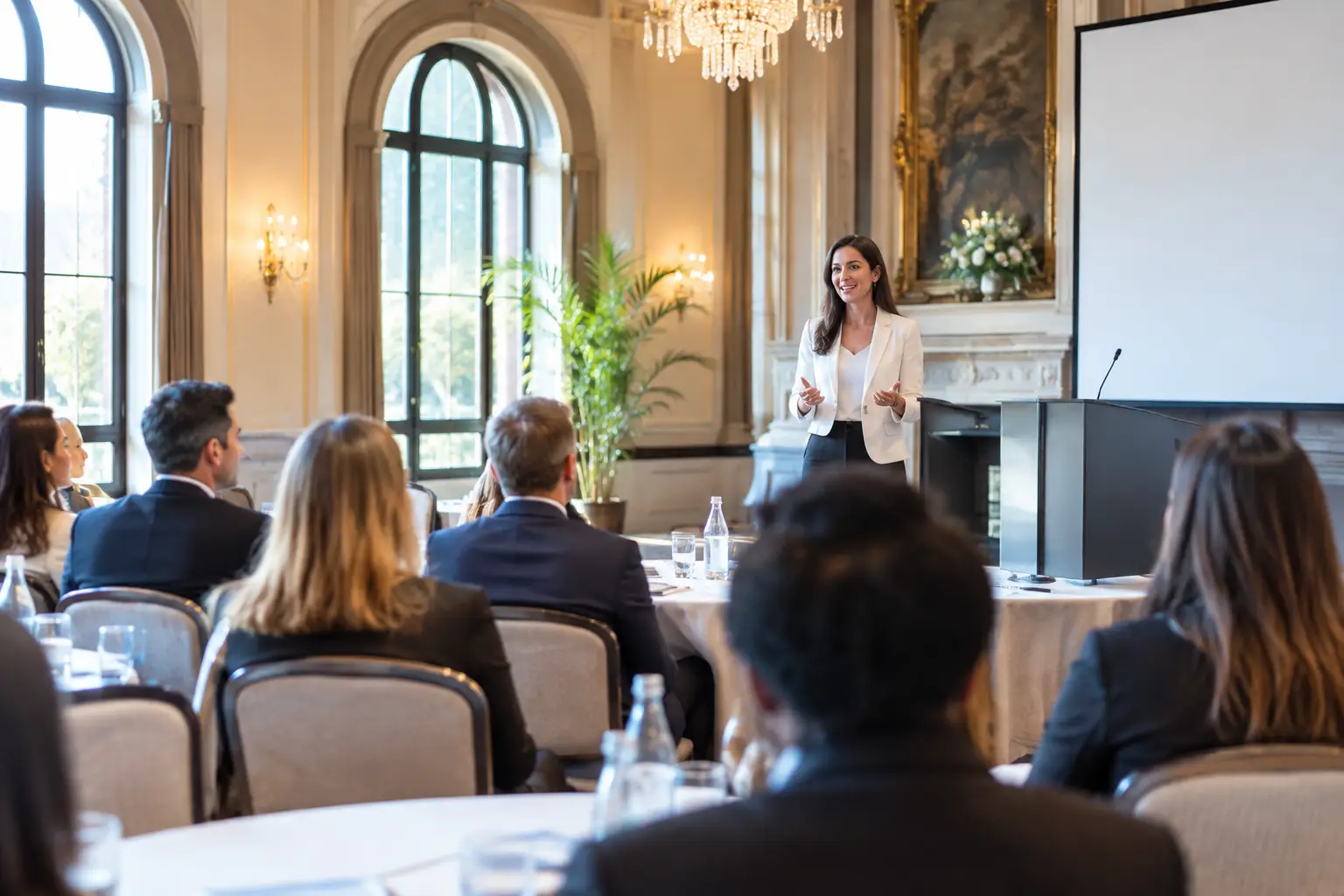
A leadership session may benefit from a smaller room where conversation is easy and the setting feels private. A larger conference needs a clear focal point, reliable acoustics and enough circulation space for arrivals, breaks and informal conversations. If the programme includes a dinner or drinks reception, ask whether guests can move elegantly between each part of the occasion without repeated resets or long waits.
The best brief is specific. Consider delegate numbers, seating format, speaker requirements, registration, catering, accessibility, photography, privacy and the amount of time people will spend standing. It is also useful to decide whether the venue itself should be the centrepiece or a considered backdrop. A heritage collection may be ideal for a welcome reception, but a detailed exhibition environment may not suit an all-day session requiring uninterrupted concentration.
Choose atmosphere with intention
Historic venues range from grand former civic buildings to intimate galleries, warehouses, residences and museums. Their moods are distinct. High ceilings and dramatic halls suit ceremonial occasions; gallery spaces can make a smaller gathering feel curated and exclusive; courtyards create a relaxed transition between formal sessions and hospitality.
Consider what the setting communicates about your organisation. A venue associated with craft, discovery and cultural exchange may complement a brand seeking to signal curiosity and discernment. A more formal heritage interior may better serve an awards evening or diplomatic reception. Authenticity is the value, so avoid forcing a theme that competes with the place itself.
At Straits & Oriental Museum, for example, maritime archaeology and shipwreck ceramics provide an unusually resonant backdrop for gatherings shaped by trade, travel, collecting or the long cultural links across Asia. Such a setting gives guests more than decorative surroundings: it gives the occasion a narrative.
Test the practicalities early
A historic building may have been designed for commerce, domestic life or exhibition rather than contemporary conferencing. This is part of its appeal, but it means practical questions should be raised at the earliest stage, not in the final production meeting.
Ask how many people each space accommodates in theatre, classroom, cabaret, boardroom and standing reception layouts. Capacity is not merely a fire-safety figure. A room that holds 100 guests may feel comfortable for 70 with a stage, cameras and catering stations in place. Request a floor plan and talk through the guest journey from arrival to departure.
Technology deserves equally close attention. Confirm the available Wi-Fi, power points, presentation screens, projection conditions, microphones, speakers and lighting controls. Thick walls, period windows and unusual room shapes can affect connectivity, daylight and acoustics. A site visit during a similar time of day is far more revealing than photographs, particularly if your programme includes live music, panel discussions or hybrid participation.
Access should be discussed with candour. Heritage buildings sometimes involve steps, narrow passages or level changes. A capable venue team will explain what is possible and how guests with mobility, hearing or visual access needs can be welcomed comfortably. Inclusion should shape the event plan, rather than become a last-minute workaround.
Finally, establish the conservation rules. Can signage be fixed to walls? Are candles, confetti, floral installations or open flames permitted? Are there restrictions on food and drink around exhibits? These conditions protect the building and collections, and they can usually be accommodated with thoughtful styling. They simply need to be known in advance.
Let the programme make room for discovery
The most successful events in historic settings allow guests a little time to absorb where they are. This need not turn a conference into a formal tour. It may be as simple as opening with a short welcome that acknowledges the building’s story, scheduling a guided viewing during a reception, or placing interpretation where people naturally pause.
This approach is especially effective for visiting delegates. Rather than sending them away with a generic impression of a destination, the event can offer a genuine encounter with local history. It respects their time while giving the gathering an identity that cannot be reproduced in another city.
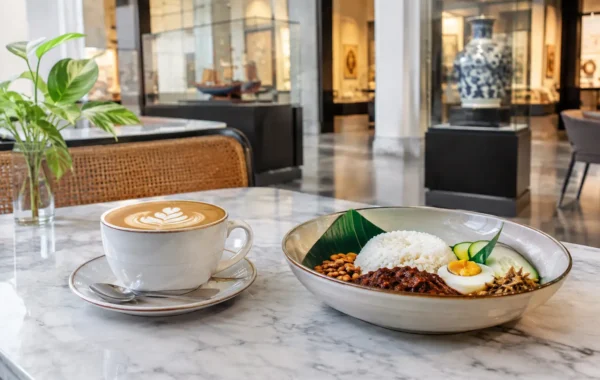
Food and drink can extend that sense of place when they are handled with restraint and quality. A menu inspired by local ingredients or regional culinary traditions can complement the occasion, particularly for evening receptions. The aim is coherence, not spectacle for its own sake. When the setting, hospitality and programme speak to one another, guests feel the care behind the event.
Protect the experience with clear production planning
Heritage venues reward organisers who plan precisely. Build in extra time for loading, registration and room changes, especially where access routes are limited. Keep stage sets and furniture purposeful, rather than filling a characterful room with unnecessary equipment. A lighter production footprint often looks better and reduces pressure on the site.
Brief suppliers carefully. They should understand delivery times, loading points, sound limits, cable management and the rules around artefacts or historic finishes. It is wise to appoint one person to coordinate venue operations, catering and technical production on the day. In a multi-space property, small details such as directional signs and timed guest movement make a major difference.
Do not overlook weather if the event relies on a courtyard, terrace or exterior arrival. Penang’s tropical climate can be generous, but rain and heat plans are essential. A well-considered indoor alternative protects the guest experience without diminishing the occasion.
A setting guests will remember
The value of a heritage venue lies in its ability to make business feel connected to something larger than the agenda. It can lend weight to a decision, warmth to a welcome and cultural substance to a gathering of people who might otherwise remember only the slides.
Choose a place with real stories, then give those stories space to be felt. When logistics are carefully managed and hospitality is thoughtfully composed, a conference can become an occasion that delegates carry with them long after the final session ends.