
George Town is best experienced at a considered pace. The most rewarding things to do in George Town are not simply tick-box attractions, but encounters with a port city shaped by trade, devotion, migration and exceptionally good food. Give its streets time: a carved doorway, a clan courtyard or a bowl of noodles can reveal as much about Penang as any grand monument.
Begin with George Town’s living heritage streets
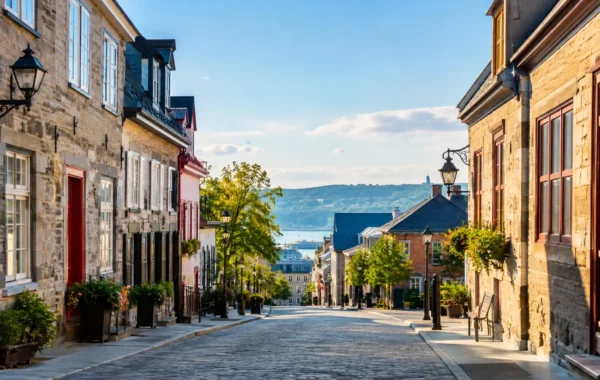
The UNESCO-listed historic core is compact enough to explore on foot, though the tropical heat makes an early start or late-afternoon wander the wiser choice. Around Armenian Street, Beach Street, Cannon Street and Lebuh Chulia, restored shophouses sit beside family businesses, temples, galleries and coffee shops. Look above street level. Five-foot ways, painted shutters, Chinese signboards and ornate plasterwork reveal the city’s layered commercial past.
Street art remains a popular reason to walk this area, and rightly so, but it is best treated as one thread in a larger story. Some murals have faded, moved or become busy photo stops. Rather than chasing every image, let the route unfold naturally and notice the working neighbourhood around it. This is where heritage feels most alive: in the rhythm of bicycles, morning deliveries and conversations drifting from open-fronted shops.
Step inside the city’s places of worship
George Town’s faith communities have left a remarkable architectural record within only a few streets of one another. Kuan Yin Teng, the Goddess of Mercy Temple, offers incense-filled calm and intricate Chinese craftsmanship. Sri Mahamariamman Temple brings vivid South Indian colour and sculpted deities into the heart of Little India, while the Kapitan Keling Mosque speaks to the long-established Indian Muslim community.
At the eastern edge of the historic centre, St George’s Church provides a striking contrast with its white neoclassical façade. These are active religious places, not decorative backdrops. Dress modestly, follow guidance at entrances and be mindful of prayer times. The experience is richer when visitors arrive with curiosity and respect rather than a hurried camera roll.
Wander Little India with your senses switched on
Little India is among the most immediate cultural experiences in the city. The air carries cardamom, jasmine, fried snacks and incense; shops display textiles, jewellery, sweets and devotional goods. It is ideal for a short pause between heritage sites, particularly if you want a cooling drink or a sweet treat.
Come with an appetite but keep expectations flexible. The most celebrated places can be busy at peak hours, and queues are part of the local food culture. A quieter family-run counter nearby may offer an equally memorable meal. George Town rewards those willing to follow aroma, conversation and the turnover of regular customers.
Trace Penang’s maritime story through porcelain
For centuries, Penang sat within sea routes that connected China, Southeast Asia, India, the Middle East and Europe. That history is not abstract here. It can be seen in ceramics, trade goods and the built fabric of the old port, where warehouses, godowns and merchant houses still suggest the scale of goods once passing through the island.
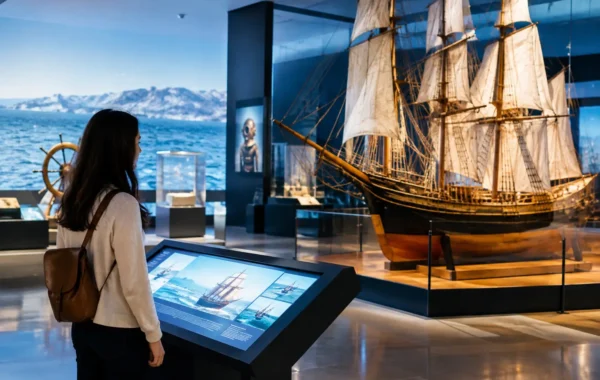
A visit to Straits & Oriental Museum gives this story unusual physical presence. As Penang’s first museum centred on maritime history and ancient shipwreck ceramics, it presents authentic porcelain recovered from significant Asian wrecks, including the Wanli, Turiang, Royal Nanhai, Nanyang, Xuande and Desaru. A bowl or storage jar becomes far more than an attractive object when viewed as cargo that crossed dangerous waters, survived a wreck and resurfaced centuries later.
This is a particularly rewarding choice for visitors who want more than a quick photograph of the old town. The collection draws attention to the artistry of porcelain, but also to the networks of sailors, merchants and communities that made George Town possible. Allow enough time to read the stories around the objects, then linger over food, coffee, art or a carefully chosen memento within the wider heritage and lifestyle setting.
Make room for the Pinang Peranakan story
The Peranakan, or Straits Chinese, heritage of Penang is one of the city’s defining cultural layers. Its visual language is instantly recognisable: richly patterned tiles, dark timber furniture, carved screens, embroidered textiles and porcelain in jewel-like colours. Yet the real fascination lies in the blend of Chinese, Malay, European and local influences that shaped everyday life, cuisine, language and ceremony.
A heritage house or museum visit can add valuable context before you continue through the old town. You will begin to spot the same aesthetic details in shophouses and private residences. For design lovers and collectors, this is one of the strongest reasons to spend a full day in George Town rather than treating it as a brief stop between beach resorts.
Pause at a clan house
Penang’s clan houses speak of migration, mutual support and family identity. Khoo Kongsi is the best known, with its imposing courtyard and richly decorated ancestral hall, but its appeal goes beyond spectacle. The complex illustrates how Chinese communities organised themselves in a new trading settlement, preserving shared obligations while building a future abroad.
Go in the cooler part of the day if possible. The light across the courtyard is beautiful in the morning, while evening illumination brings a different sense of theatre. Either way, take a moment to look at the roof ridges, painted panels and stone carvings rather than moving straight through.
Eat with intention, not a checklist
Food is one of the essential things to do in Georgetown, but it is easy to turn it into an exhausting hunt for famous names. Penang’s pleasure lies in variety. Start with something distinctly local, such as assam laksa, char kway teow, nasi kandar, Hokkien mee or cendol, then leave space for whatever catches your attention later.
Hawker centres offer breadth, speed and the pleasure of choosing from several stalls. Traditional coffee shops feel more intimate and often suit breakfast or a simple afternoon bite. Contemporary restaurants can be excellent for a longer dinner, particularly in restored heritage buildings, although they naturally come at a higher price. None is inherently more authentic than the other. The best choice depends on your appetite, time and whether you want a quick plate, a convivial table or a more polished evening.
Follow the waterfront towards sunset
George Town’s relationship with the sea is clearest along the waterfront. The Clan Jetties, with their timber walkways and homes built over the water, offer a glimpse of communities whose lives were tied to the harbour. Chew Jetty is the most visited and can feel crowded, especially near sunset. It remains a residential community, so walk gently, keep noise down and avoid treating doorways as props.
For a broader harbour view, continue towards the Esplanade. The open space, colonial-era civic buildings and shifting light across the Straits provide a welcome counterpoint to the close, busy lanes of the old town. It is an excellent place to slow down before dinner and reflect on why this city has always looked outward to the sea.
Let the evening be unhurried
After dark, George Town changes character. Heritage façades soften under warm light, cafés fill, and bars tucked into old shophouses offer a more intimate end to the day. Those travelling with families may prefer a relaxed dessert or a gentle stroll; couples and friends may enjoy settling in for a drink and conversation. There is no need to race across town for one final attraction.
The lasting pleasure of George Town comes from allowing history to meet the present on its own terms. Choose one meaningful collection, one generous meal and one street you have not planned to walk. The city will do the rest.