
George Town rewards the traveller who looks up, slows down and pays attention. Behind the famous murals and photogenic shophouses, the real appeal of any tourist attraction in Georgetown lies in how closely the city ties daily life to centuries of trade, migration, faith and craftsmanship. This is not a destination best consumed as a checklist. It is a place to be read in layers – on the street, in its food, in its architecture and, most memorably, in the objects that survived its maritime past.
What makes a tourist attraction in Georgetown worth your time
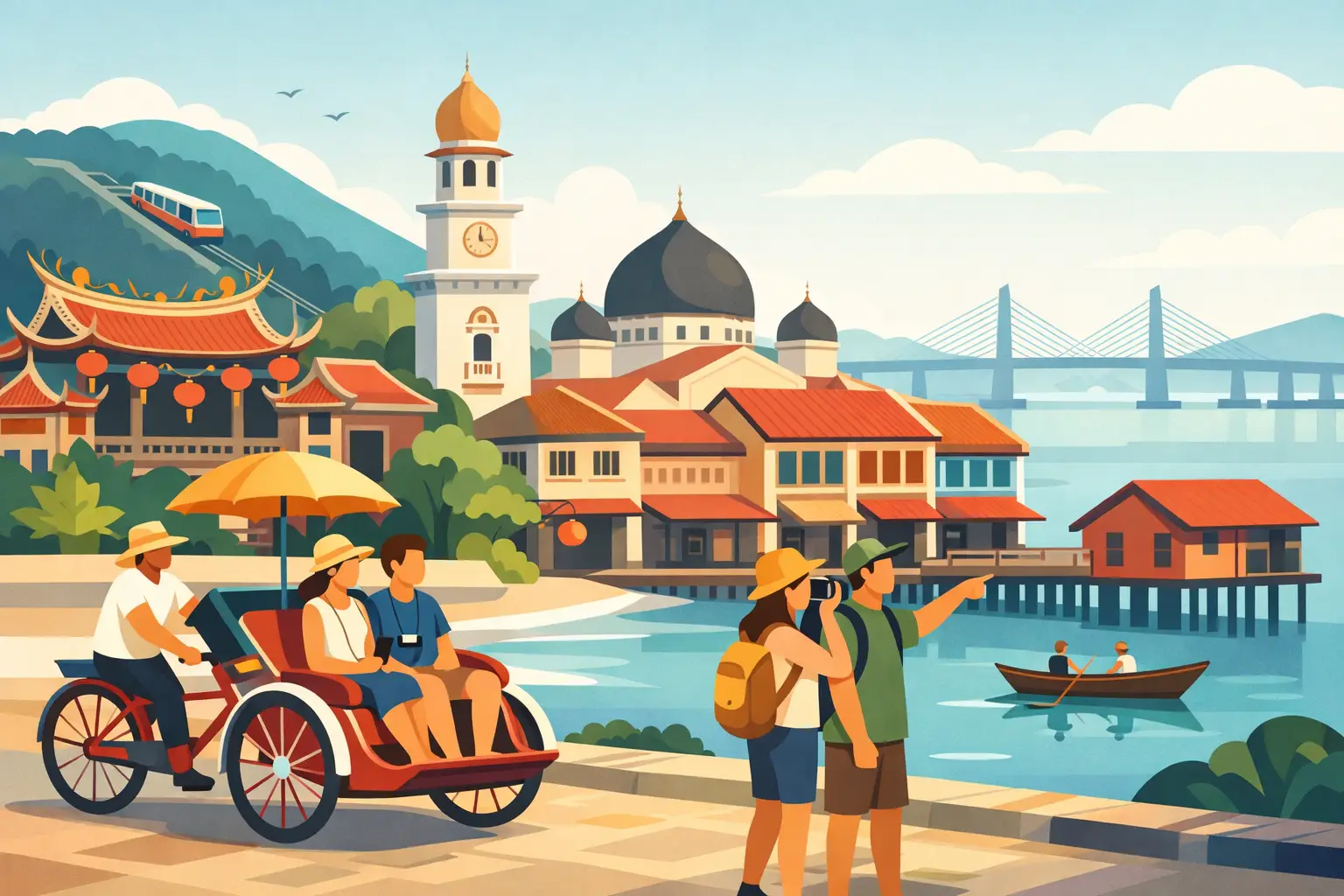
Some cities offer spectacle. George Town offers texture. Its appeal comes from the meeting of cultures that shaped Penang into one of the region’s most compelling historic ports. Chinese clan houses stand near mosques, churches and Hindu temples. Colonial facades sit beside family-run businesses. Morning markets give way to gallery visits, then to long lunches and evening walks by the sea.
That matters when deciding where to spend your day. The strongest attractions are not simply the ones with the most photographs attached to them. They are the ones that reveal something essential about the city. In George Town, the most rewarding places tend to do one of three things well: preserve heritage with integrity, tell a story that feels rooted in place, or turn culture into a full experience rather than a brief stop.
This is why museums, historic streets and waterfront spaces remain central to any serious visit. They give context to what you see elsewhere. Without that context, murals become backdrops and old buildings become scenery. With it, the city begins to feel far richer.
Heritage streets are still the heart of Georgetown
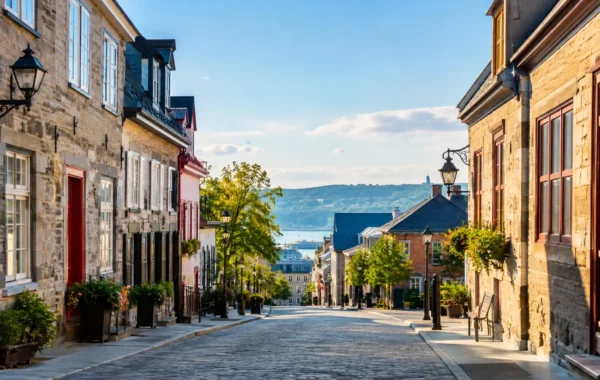
For many visitors, the first tourist attraction in Georgetown is the city itself. Its UNESCO-listed historic core remains one of South East Asia’s most walkable urban heritage districts, and the pleasure of moving through it is part of the experience. Armenian Street, Beach Street, Lebuh Acheh and the lanes around them hold much of what first-time visitors come to see – street art, old merchant houses, temples and the small details of living heritage.
Yet it is worth approaching these streets with modest expectations. They can be busy, warm and occasionally over-photographed. If you go purely in search of postcard moments, you may leave thinking you have seen enough in an hour. If you go with curiosity, the area opens up. Look for old signage, five-foot ways, courtyards, carved timber shutters and the rhythms of neighbourhood life that still continue around the visitor economy.
Early morning and late afternoon are the most generous times to walk. The light is kinder, the streets less crowded, and the city feels closer to itself. A heritage district is always a balance between preservation and popularity, and George Town carries that tension visibly. That is part of its honesty.
Museums give the city its deeper story
If the streets provide atmosphere, museums provide understanding. George Town has no shortage of cultural stops, but not all offer the same depth. The strongest museum visits here do more than display objects behind glass. They frame Penang as a meeting point of trade routes, beliefs, artistic traditions and seafaring ambition.
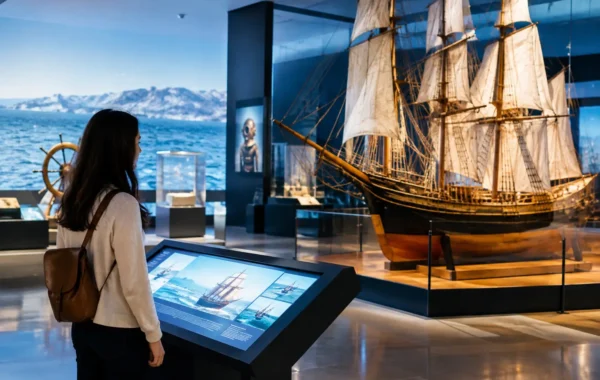
For travellers interested in history, this is where a visit becomes memorable. Maritime trade, in particular, is impossible to separate from George Town’s identity. Ceramics, spices, textiles and ideas once moved through these waters, linking Penang to a far wider Asian world. To see artefacts from that era is to understand that the city was never peripheral. It was connected, commercial and culturally alive.
One place that captures this particularly well is Straits & Oriental Museum, which stands apart as Penang’s first museum of its kind and Malaysia’s first integrated heritage and lifestyle museum. Its shipwreck ceramics and porcelain collections do more than impress aesthetically. They restore a sense of drama to maritime history, revealing what travelled across these seas and what was lost beneath them. For visitors who want more than a conventional museum stop, the combination of exhibition spaces, gallery atmosphere, dining and retail creates a fuller cultural outing.
That integrated approach suits George Town. This is, after all, a city where heritage is best experienced as part of a day rather than separated into neat categories. A museum visit followed by coffee, conversation and time to reflect often lingers longer in the memory than a rushed circuit of landmarks.
Faith, architecture and the city’s shared inheritance
Another reason George Town remains such a compelling destination is the closeness of its sacred spaces. Few places present religious diversity so visibly within a compact urban centre. Churches, mosques, temples and clan buildings do not merely coexist here as monuments. They speak to the communities that built the city and continue to shape it.
For visitors, these sites offer both beauty and perspective. The architecture is often striking, but the real significance lies in continuity. A temple filled with incense, a mosque calling worshippers to prayer, or a church still serving its congregation reminds you that George Town is not a heritage set-piece. It is a living place.
There is, of course, a balance to strike. Travellers should expect to adjust clothing, behave respectfully and accept that some spaces may be more meaningful than they are visually dramatic. Not every historic building is designed to entertain. In many cases, the quietest places are the ones that stay with you.
The waterfront still shapes the mood of the city
George Town’s relationship with the sea is easy to overlook if you remain inland. Yet the waterfront is essential to understanding its character. This was a port city before it was a leisure destination, and traces of that identity remain in its outlook, atmosphere and commercial history.
A stroll towards the coast changes the rhythm of a visit. The city opens up, the air shifts, and you begin to sense why merchants, sailors and settlers once passed through these shores. Waterfront views may not carry the same immediate excitement as street art or food trails, but they provide something just as valuable – scale. They place George Town within the larger story of regional exchange.
This is also where visitors often feel the difference between an attractive city and a historically significant one. The sea explains the wealth, the cultural mixing and the imported objects now found in museums and old homes. It is the backdrop that makes the rest legible.
Food is part of the attraction, but not the whole story
No honest account of George Town can ignore food. For many travellers, hawker centres, kopitiams and long-established eateries are as important as any formal sight. They should be. Penang’s culinary culture is one of the city’s most persuasive forms of heritage.
Still, food works best here when it complements cultural discovery rather than replacing it. A day built around architecture, museums and street wandering gains richness from pauses at the table. The flavours make more sense when placed beside the city’s trading history and mixed communities. That famous bowl of noodles or plate of char koay teow belongs to the same larger narrative as the shophouses and shrines.
For discerning visitors, this is where George Town becomes especially satisfying. It offers the rare chance to combine serious heritage with genuine pleasure. You can move from shipwreck porcelain to a leisurely lunch, from a gallery to evening drinks, without feeling that you have left the cultural experience behind.
How to choose the right attractions for your visit
The best approach depends on what kind of traveller you are. If this is your first visit, give the historic core time on foot and choose at least one museum that adds historical depth. If you already know the popular streets, seek out spaces that connect George Town to its maritime and mercantile past. They tend to offer more substance and fewer repeated impressions.
Families may prefer attractions that combine visual interest with room to pause, eat and reset. Couples often enjoy the city’s slower pleasures – heritage interiors, curated exhibitions, atmospheric dining and evening walks. Collectors and design-minded travellers will usually find the greatest value in places where craftsmanship and provenance are taken seriously.
The trade-off is simple. If you try to see everything, the city can flatten into a sequence of stops. If you choose fewer, better places, George Town reveals itself more elegantly.
Why the best tourist attraction in Georgetown is one that tells a story
The most memorable tourist attraction in Georgetown is rarely the loudest or the most publicised. It is the one that leaves you understanding the city differently when you step back outside. That may be a heritage street at sunrise, a place of worship alive with devotion, or a museum collection that reconnects Penang to the sea routes that shaped it.
George Town has earned its reputation because it offers more than novelty. It offers continuity, craftsmanship and stories with weight behind them. If you choose attractions that reflect those qualities, your visit will feel less like sightseeing and more like encountering a city with confidence in its own history.
Leave room in your day for one place that surprises you with its depth. That is usually where George Town begins to feel unforgettable.