
A museum visit should do more than place objects behind glass. The Straits and Oriental Museum In Malaysia with Vast collection of Ancient Chinese Artefacts offers something rarer – a chance to stand before porcelain and ceramics that once crossed dangerous sea routes, survived shipwrecks, and now tell the story of Asia’s maritime world with remarkable clarity.
For visitors drawn to culture, design, history and meaningful travel, this is not simply a stop between other attractions. It is a destination shaped by real archaeological finds, refined curation and a broader lifestyle experience that gives heritage a living presence. In a city already celebrated for layered histories, the museum adds a distinctive dimension by focusing on maritime trade, recovered cargoes and the enduring splendour of Chinese ceramic artistry.
Why The Straits and Oriental Museum in Malaysia stands out
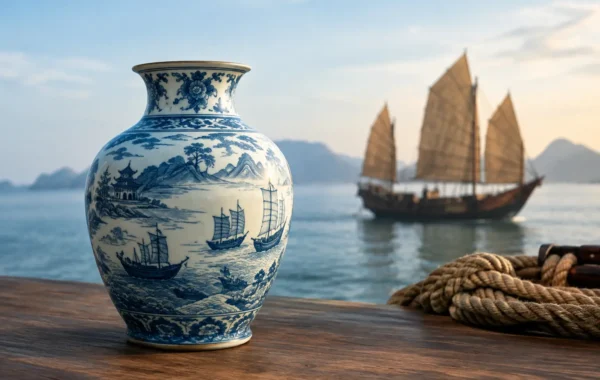
Many museums present history as a timeline. This one presents history as a voyage. Its collection is built around authentic artefacts recovered from major Asian shipwrecks, including the Wanli, Turiang, Royal Nanhai, Nanyang, Xuande and Desaru. That matters because these objects were not created to become museum pieces. They were once commercial goods, diplomatic symbols, domestic wares and markers of taste, all moving across the sea as part of a vast trading network.
The result is a museum experience with unusual immediacy. You are not looking at a general reconstruction of maritime history. You are looking at the physical evidence of it – bowls, plates, jars, porcelain and ceramics that travelled through regional waters, sank with their vessels, and re-emerged centuries later as fragments of a much larger story.
This focus also gives the museum a distinctive place within Malaysia’s cultural landscape. Rather than acting as a conventional gallery of loosely connected heritage objects, it centres on a specialised field with strong regional significance. For travellers who want authenticity over spectacle, that difference is substantial.
A vast collection of ancient Chinese artefacts with real depth
Ancient Chinese artefacts often attract attention for their beauty alone, and rightly so. The finesse of glaze, the balance of form and the precision of painted decoration remain extraordinary. Yet what makes this collection especially compelling is the context behind each piece.
These are not isolated examples chosen only for decorative appeal. Together, they reveal trade patterns, consumer preferences, kiln production, cross-cultural exchange and the practical realities of maritime commerce. A dish may appear elegant at first glance, but it can also suggest who commissioned it, where it was intended to be sold, and how Chinese ceramic production answered demand far beyond the mainland.
Porcelain and ceramic cargoes were among the most significant goods moving through Asian sea routes for centuries. Their survival in shipwreck sites has given historians and collectors a rare archive of material culture. That is one of the museum’s great strengths. It transforms archaeological recovery into a visitor experience that still feels accessible, even to those without a specialist background.
For collectors and design-minded visitors, the appeal is equally strong. The collection demonstrates the sheer range within Chinese ceramic production – from restrained, functional wares to pieces of greater decorative ambition. Seen together, these artefacts document not only craftsmanship but also the appetite for Chinese goods across trading ports and kingdoms.
The maritime story behind the ceramics
The museum’s maritime lens is what turns beautiful objects into unforgettable ones. Shipwreck ceramics carry a special kind of drama because they have travelled through commerce, disaster, concealment and recovery. Their survival is inseparable from the risks of sea trade.
Penang’s wider regional setting makes that story especially resonant. The Straits of Malacca were not peripheral waters. They were among the world’s most important trade corridors, linking merchants, empires and communities over generations. Chinese ceramics moved through these routes alongside spices, metals, textiles and countless other goods that shaped economies and tastes across Asia.
When visitors encounter cargoes linked to named wrecks such as the Wanli or Royal Nanhai, the experience becomes more specific. History is no longer abstract. Each wreck represents a route interrupted, a cargo lost, and a moment in maritime exchange suddenly frozen beneath the sea. Recovery gives those moments new life, but it also invites a more thoughtful appreciation of the journey these artefacts have made.
There is also an emotional pull to shipwreck material that ordinary museum displays do not always achieve. A recovered bowl or jar is more than old. It is a survivor. That sense of endurance lends weight to the viewing experience and often stays with visitors long after they leave.
More than a museum visit
What sets this destination apart further is its integrated format. It is designed not as a static institution but as a cultural environment where heritage, hospitality and leisure sit together naturally. That makes it especially attractive to travellers and families who want a fuller day out rather than a brief walkthrough.
A museum of this kind can suit different expectations at once. A history enthusiast may arrive for the shipwreck collections. A couple on a cultural day in George Town may value the atmosphere as much as the exhibits. Families may appreciate that the visit feels engaging and varied rather than overly academic. Collectors and antique lovers, meanwhile, are likely to respond to the seriousness of the collection and the care given to presentation.
This balance is not always easy to achieve. Lean too far towards entertainment and heritage loses substance. Lean too far towards scholarship and the experience can feel closed off to broader audiences. Here, the appeal lies in combining authority with welcome. The museum offers cultural depth, but it does so in a way that feels inviting and destination-led.
What visitors are likely to remember most
People rarely remember every date attached to an artefact. They remember what made them pause. In this museum, that may be the glow of porcelain recovered from the seabed, the recognition that a ceramic piece has outlived the ship that carried it, or the realisation that maritime trade connected distant communities through objects both practical and exquisite.
Visitors also tend to remember places that create a sense of occasion. The setting contributes to that. Rather than treating heritage as something remote, the museum frames it as part of a larger cultural outing shaped by story, design and atmosphere. That is a persuasive proposition for modern travellers, especially those who want meaningful experiences without sacrificing comfort or aesthetic appeal.
There is value, too, in the museum’s ability to appeal across levels of knowledge. If you already know the significance of export porcelain or marine archaeology, there is enough authenticity and specificity here to hold your attention. If you are new to the subject, the visual power of the collection does much of the work, drawing you into the story without demanding prior expertise.
Who should make time for it
This museum will especially reward visitors who enjoy heritage with texture and context. Cultural tourists seeking a deeper understanding of Penang’s place within regional trade will find it worthwhile. Families looking for an outing with substance will appreciate its accessibility. Travellers with an eye for ceramics, design and craftsmanship may find themselves lingering longer than expected.
It also suits those who are selective about how they spend their time. In destinations rich with attractions, the challenge is often deciding which experiences feel genuinely distinctive. A museum centred on shipwreck ceramics and ancient Chinese artefacts offers something few places can match. It connects beauty, archaeology, trade and place in a single visit.
For collectors and connoisseurs, the appeal is perhaps even sharper. Authenticity matters in this world, as does provenance and context. Seeing a collection anchored in notable wreck sites gives these objects a significance beyond ornament. They become witnesses to commerce, movement and cultural exchange on a remarkable scale.
A cultural landmark worth seeking out
The most memorable museums do not simply preserve the past. They make it present. The Straits & Oriental Museum achieves that by turning maritime archaeology into an experience that is visually elegant, historically grounded and deeply connected to the region’s trading legacy.
For anyone interested in ancient Chinese artefacts, Asian sea routes or the stories hidden inside recovered porcelain, this is a place worth seeking out with intention. Come for the ceramics, certainly, but stay for the wider sense of encounter – with history, with craftsmanship, and with the enduring power of objects that have crossed centuries as well as seas.