
A blue-and-white bowl found in a family cabinet may hold the memory of generations, but its history is not always visible at first glance. Can museums appraise antique ceramics? They can often offer valuable expertise on identification, period, style and cultural context, yet a museum visit is not usually the same as receiving a formal valuation for sale, insurance or probate.
For collectors, inheritors and curious owners, understanding that distinction is the first step towards treating an object with the care it deserves. A ceramic vessel is more than its decorative surface. Its clay body, glaze, kiln marks, firing flaws, repair history and provenance can each change the story – and sometimes the price – substantially.
Can museums appraise antique ceramics?
Many museums employ or work alongside curators, conservators and researchers with deep knowledge of particular regions, materials and historical periods. They may be able to recognise whether a piece resembles a known ceramic tradition, such as Chinese export porcelain, Southeast Asian stoneware, Peranakan ware or shipwreck cargo ceramics. In the right circumstances, that insight can be immensely useful.
What museums generally do not provide is a commercial appraisal. Formal monetary valuations require a different professional role, together with current knowledge of market demand, recent auction results, dealer activity, condition expectations and the purpose of the valuation. A figure suitable for insurance may differ from one intended for a private sale, an estate settlement or a charitable donation.
Museums also have ethical reasons to remain independent. Their purpose is to research, preserve and interpret cultural heritage for the public. Giving a purchase offer or price opinion on an object brought in by a visitor can create conflicts of interest, particularly where ownership, excavation history or export documentation is uncertain.
That does not make a museum consultation less worthwhile. A thoughtful curator may help an owner ask better questions: Is this likely to be hand-made or factory-produced? Does the decoration relate to a known era? Could this form have travelled through historic maritime trade routes? Is specialist conservation advice needed before the piece is handled, cleaned or photographed?
What a museum expert may be able to tell you
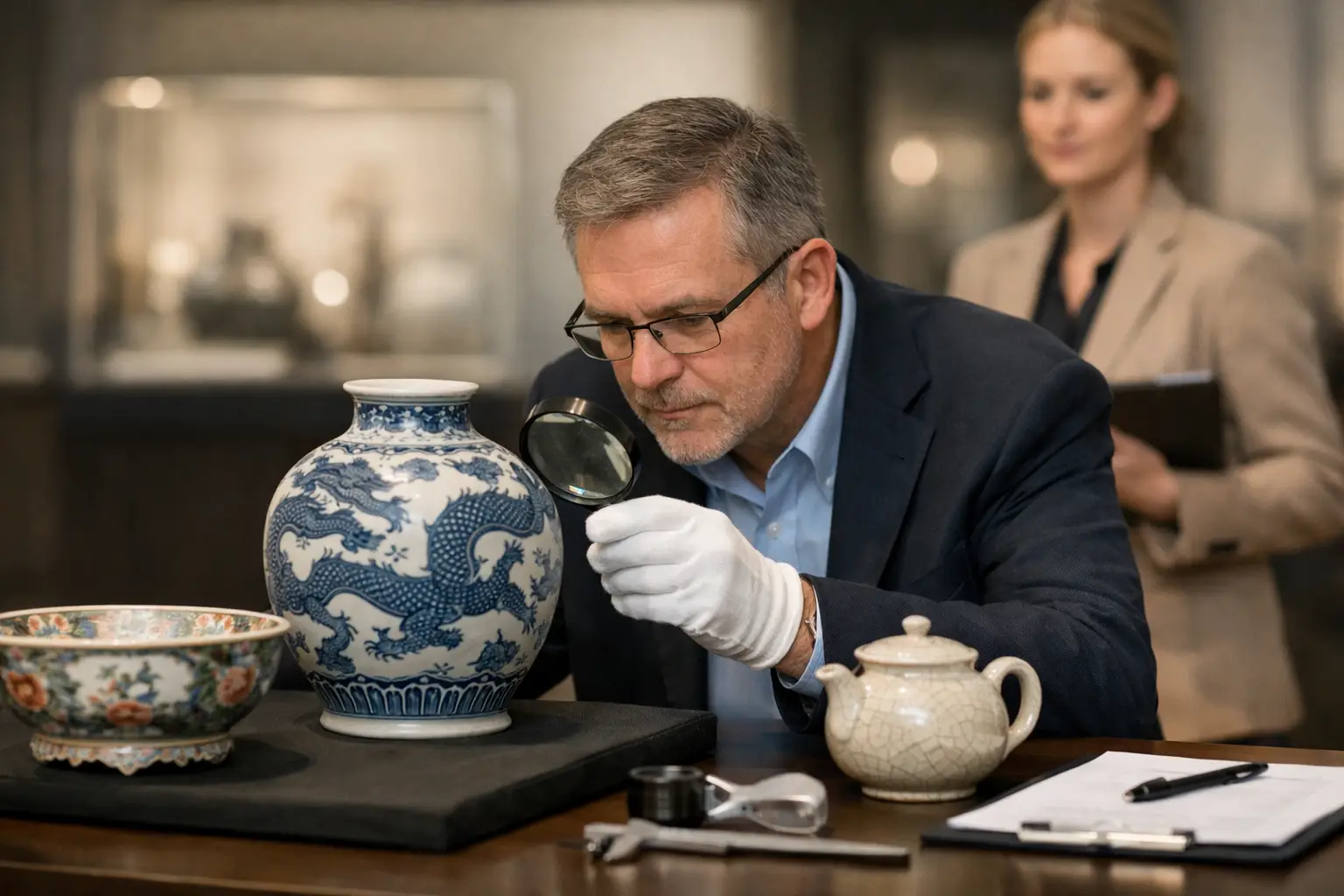
An informed preliminary assessment often begins with the object itself rather than a quick search for a similar pattern online. Ceramics are read through details that are easy to overlook: the feel of the paste, the weight of the vessel, the pooling of glaze, foot-rim wear, firing grit, painted brushwork and the way a base mark has been applied.
A curator may compare these characteristics with documented examples in museum collections, archaeological records or scholarly catalogues. For maritime ceramics, context matters especially. Cargo recovered from a wreck may include thousands of vessels made for trade, sometimes with forms and motifs tailored to a distant market. A piece that appears familiar in isolation may reveal a richer history when considered alongside routes, ports and periods of exchange.
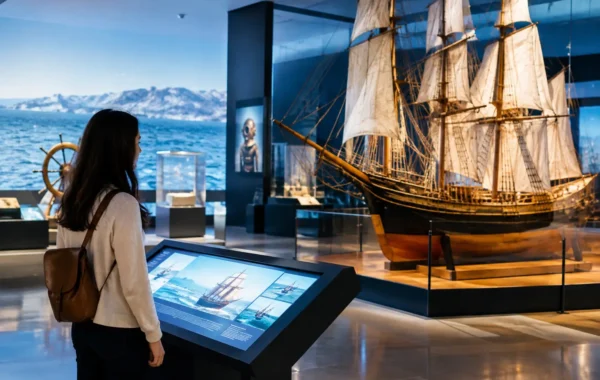
At Straits & Oriental Museum in George Town, authentic ceramics recovered from significant Asian shipwrecks bring this wider story into focus. Viewing such objects can train the eye to notice how porcelain travelled, how it was made, and why a small variation in form or decoration may matter. It is a journey through time told in clay, glaze and the enduring traces of maritime commerce.
Still, visual comparison has limits. A museum professional may reasonably say that an object is consistent with a particular tradition, but may not be able to authenticate it definitively from photographs or a brief encounter. Some pieces require specialist examination, scientific testing or consultation with scholars who focus on a single kiln, dynasty or market.
Why a formal valuation is a separate service
A professional valuer translates expertise into a written opinion for a stated purpose. The report should identify the object as precisely as evidence allows, describe its condition, explain the valuation basis and record the date. Markets move. A valuation made several years ago may no longer reflect collector interest, availability or changing tastes.
The right valuer depends on the ceramic. A Ming-style porcelain bowl, a nineteenth-century European dinner service, a Nyonya porcelain jar and a Southeast Asian trade ware vessel do not necessarily belong with the same specialist. Look for a valuer who regularly handles the relevant category and can explain their methodology in clear terms.
Be precise about why you need the figure. Insurance replacement value is often based on the cost of replacing an equivalent item through the retail market. Fair market value may reflect what a willing buyer and seller would reasonably agree. Auction estimates, meanwhile, are guides to a likely sale range and may not include fees. These figures can vary widely without any one of them being wrong.
A formal valuation should never be based on an enticing story alone. Statements such as “from a shipwreck”, “imperial”, “rare” or “sixteenth century” need supporting evidence. The more remarkable the claim, the more carefully it should be tested.
Provenance can be as valuable as porcelain
Provenance is the documented ownership and collecting history of an object. It may include old receipts, auction catalogues, collection labels, family letters, photographs, import paperwork, conservation reports and previous valuations. Even modest paperwork can establish useful dates and connections.
For archaeological or marine-recovered material, lawful provenance is essential. Objects connected with wreck sites, burial grounds or protected heritage areas may be subject to strict laws, reporting requirements or restrictions on movement and sale. A museum may be especially cautious about commenting on such material because responsible collecting begins with legality and respect for cultural heritage.
Keep every record with the piece, but do not attach old labels using fresh glue, tape or string. Photograph labels separately and store documents in a dry, organised file. If a detail seems uncertain, record it as uncertain rather than allowing family lore to harden into fact.
Preparing a ceramic for expert review
Before approaching a museum, auction house, dealer or valuer, make a careful visual record. Photograph the front, reverse, base, interior, foot rim, any marks and all damage in natural, even light. Include a ruler or a note of height and diameter. A close-up of a chip is more useful than a flattering image that conceals it.
Do not scrub, polish, bleach or attempt to remove stains. What looks like dirt may be old adhesive, kiln residue, burial accretion or an important trace of use. Harsh cleaning can dull glaze, erase gilding and reduce value. Equally, avoid amateur repairs. A repaired crack may be stabilised by a conservator, but an unrecorded repair can complicate later assessment.
Bring together what you know: where and when the item was acquired, who owned it, whether it has been repaired, and any paperwork that travelled with it. Honest gaps in the story are far better than confident guesses. Experts need the clearest possible starting point.
If you contact a museum, ask whether it accepts identification enquiries and whether appointments are available. Some institutions cannot examine privately owned objects because of workload, security, insurance or policy. Others may offer public identification days, educational guidance or referrals to suitable professional bodies. A polite enquiry with good photographs is usually more effective than arriving unannounced with a fragile heirloom.
Reading condition without losing perspective
Condition has a real effect on value, but it should not erase an object’s historical significance. A hairline crack, rim chip, restoration, discolouration or missing lid will usually affect market value. Yet age, rarity, proven provenance and scholarly importance can make a damaged ceramic compelling in its own right.
Conversely, perfect condition is not proof of age or authenticity. Modern reproductions can be remarkably convincing, while genuine objects may have the slight asymmetry, wear and firing variation expected from their making and long journey. This is why condition and authenticity should be considered together, not as separate box-ticking exercises.
For a treasured family piece, the most useful outcome may not be a sale price at all. It may be an accurate identification, a conservation plan and a fuller understanding of the hands, homes and trade networks through which it has passed. Let the object be examined patiently: every base mark, brushstroke and repaired edge may carry a part of its story.