
A morning in George Town can begin beneath sun-faded shutters, with incense in the air and the first clatter of breakfast stalls carrying down a five-foot way. By afternoon, that same day may hold a clan house, a contemporary gallery, a bowl of noodles and a sea-facing sunset. Penang as a tourist attraction is compelling not because it offers one headline sight, but because history, appetite, faith, trade and daily life remain so closely entwined.
What Makes Penang a Tourist Attraction Worth Time
Penang rewards visitors who resist treating it as a quick stop between larger destinations. Its appeal is layered: a port shaped by centuries of exchange, a city of extraordinary built heritage, an island with beaches and green slopes, and a food culture that deserves unhurried attention. The most memorable visits leave room for wandering, conversation and the occasional change of plan.
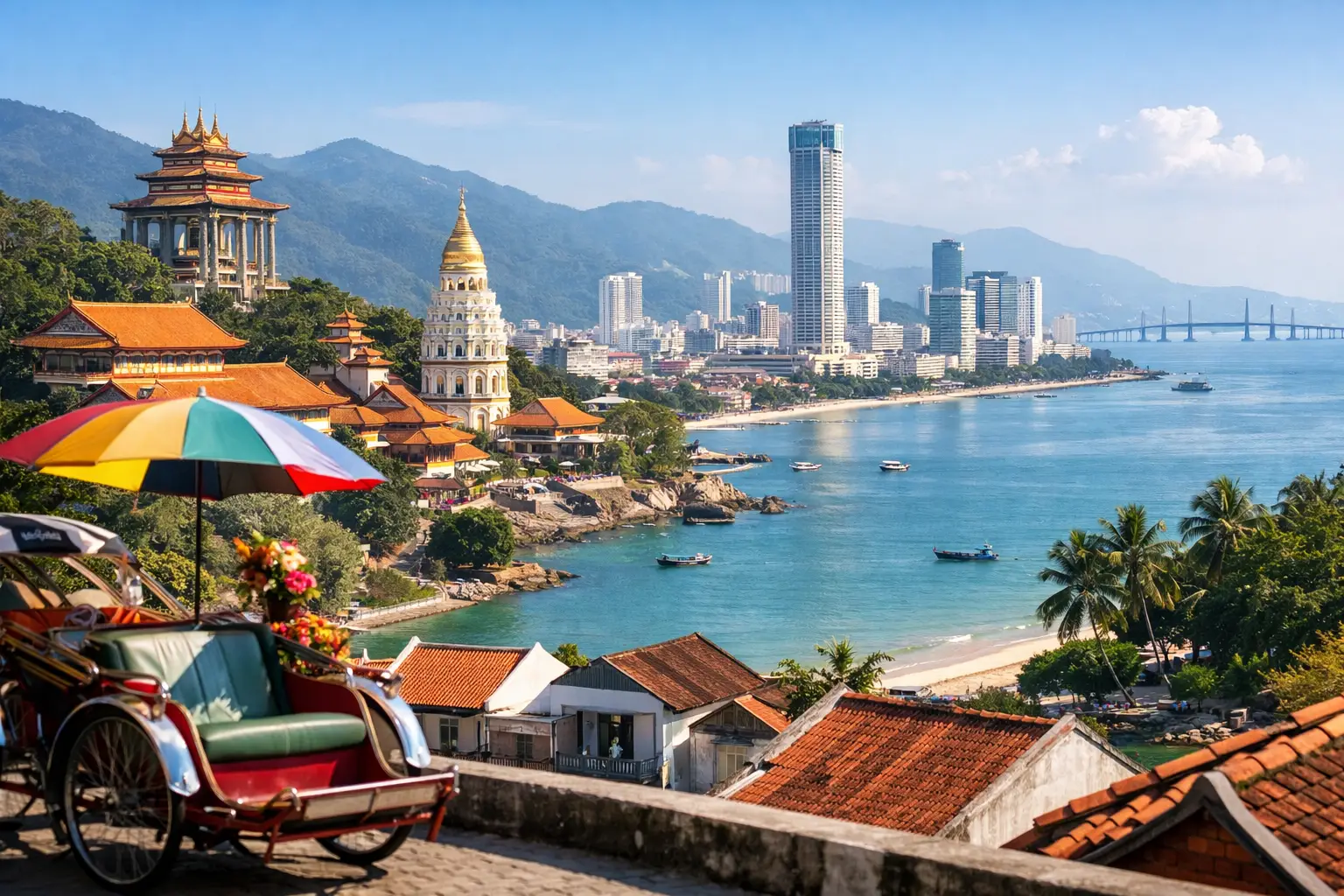
George Town is the natural starting point. Its historic streets are not a theatrical reconstruction of the past. They are working streets where places of worship, family businesses, cafés, markets and restored shophouses sit beside one another. Chinese, Malay, Indian, Peranakan, European and wider Southeast Asian influences are visible in the architecture, heard in the languages around you and tasted at almost every meal.
This density makes the city especially satisfying for cultural travellers. A single block can reveal carved timber screens, tiled façades, a temple courtyard and an old trading house. Yet the pleasure lies in paying attention rather than ticking off landmarks. Look above street level for plasterwork and shutters; step inside when a heritage building is open to visitors; notice how private homes, commerce and religious life have shaped the city’s fabric.
There is a trade-off. George Town’s compact centre can be warm, busy and uneven underfoot, particularly during weekends and school holidays. The best response is not to rush. Begin earlier, take a shaded pause in the middle of the day, and reserve your longer walks for late afternoon when the streets become gentler and the light begins to warm the façades.
A Port City Told Through Objects
Penang’s importance has always extended beyond the island itself. The Strait of Malacca has carried merchants, migrants, ideas and precious cargo between the Indian Ocean and the South China Sea for centuries. That maritime setting gives a museum visit particular resonance here: porcelain is not merely decorative, but evidence of routes, tastes, technology and exchange.
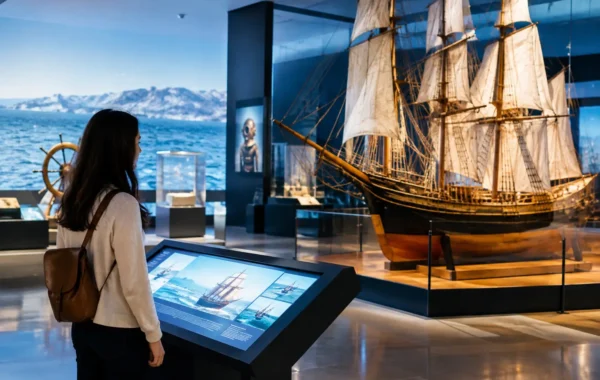
At Straits & Oriental Museum, authentic ceramics recovered from notable Asian shipwrecks bring this wider history into close view. Pieces associated with the Wanli, Turiang, Royal Nanhai, Nanyang, Xuande and Desaru wrecks offer more than visual splendour. A bowl, storage jar or finely painted dish can prompt a larger question: who made it, who carried it, where was it intended to go, and what happened when its voyage ended beneath the sea?
For families, this tangible approach can make maritime history far more immediate than dates on a wall. For collectors and design-minded visitors, the craftsmanship invites slower looking – the weight of a vessel, the glaze, the rhythm of a painted motif and the remarkable survival of fragile objects across centuries. The experience also suits travellers seeking a refined cultural pause between walks, meals and shopping in the heritage quarter.
The strongest museum visits are rarely about seeing the greatest number of objects. They are about leaving with one or two stories that remain with you. In Penang, shipwreck ceramics offer exactly that: a direct connection between the island’s present-day cosmopolitan character and the sea routes that helped shape the region.
Food Is Part of the Cultural Record
To understand Penang through its food is not a culinary detour. It is another way of reading the island’s history. Hawker dishes carry the traces of migration, adaptation and local preference, while family recipes preserve techniques that have passed across generations.
A visitor may arrive with a checklist of famous dishes, but a more rewarding approach is to follow the rhythm of the day. Choose a lively breakfast stall with regulars at the tables. Let lunch be simple and specific – perhaps a noodle dish, rice and curries, or a bowl of something restorative after a humid walk. In the evening, take your time over a meal where conversation is as important as the order.
Penang’s dining scene also has range. Street food is rightly celebrated, but it is not the whole story. Heritage mansions, independent cafés, hotel dining rooms and contemporary restaurants offer different perspectives on local ingredients and regional cooking. Travellers with limited time should avoid trying to chase every celebrated address. One excellent meal enjoyed without haste is better than three chosen only for a photograph.
Dietary needs require a little preparation. Many local dishes have deeply specific ingredients and preparation methods, so asking courteously before ordering is sensible. The same applies to spice levels. Penang is generous with flavour, but individual tolerances differ.
Beyond the Heritage Streets
The island’s natural landscape provides an essential counterpoint to George Town’s dense urban character. Coastal stretches, hillside roads and the green interior give visitors space to reset after a day among historic lanes. Whether you favour a relaxed beach afternoon, a short scenic outing or a more active exploration of the island’s trails, the change of pace helps reveal Penang as more than a heritage city.
This is where itinerary choices matter. Those interested chiefly in architecture, museums and food may be happiest staying close to George Town, where much can be reached on foot or by a short ride. Travellers with several days can balance the city with the coast and higher ground. Families may prefer to alternate cultural visits with open-air activities, particularly when younger visitors need a break from galleries and streetscapes.
Do not underestimate journey times. Penang can feel small on a map, yet traffic and weather can reshape a day. Leaving generous space between plans makes the experience more gracious, and often leads to the discoveries that cannot be scheduled: a quiet courtyard, a small exhibition, a shopkeeper’s recommendation or a view that invites you to stay a little longer.
How to Experience Penang With Greater Depth
The difference between a pleasant visit and a meaningful one often comes down to pace. Give each day a clear centre of gravity. One morning might belong to old George Town and its religious architecture; another to maritime stories and art; another to food and the coast. This prevents heritage from becoming a blur of façades and photographs.
It is also worth looking for the links between experiences. The porcelain in a maritime collection, the spices in a local dish, the goods once sold from a shophouse and the communities gathered around a temple are all part of a longer story of movement across the seas. Penang’s cultural richness is not accidental. It grew from encounter, commerce and the enduring ability of communities to make a port city their home.
For visitors drawn to beautiful objects, meaningful meals and places with a strong sense of identity, this is Penang’s enduring gift. Take the quieter lane, linger over the artefact that catches your eye, and allow the island to reveal itself one story at a time.