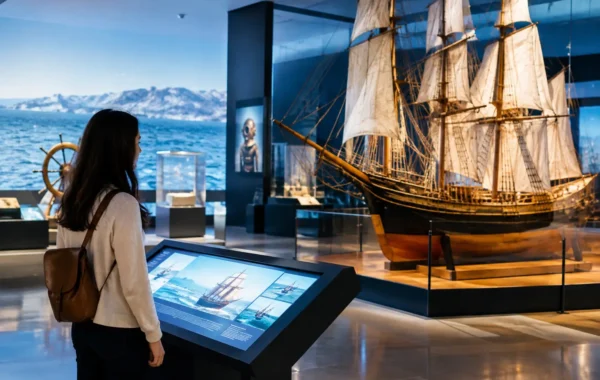
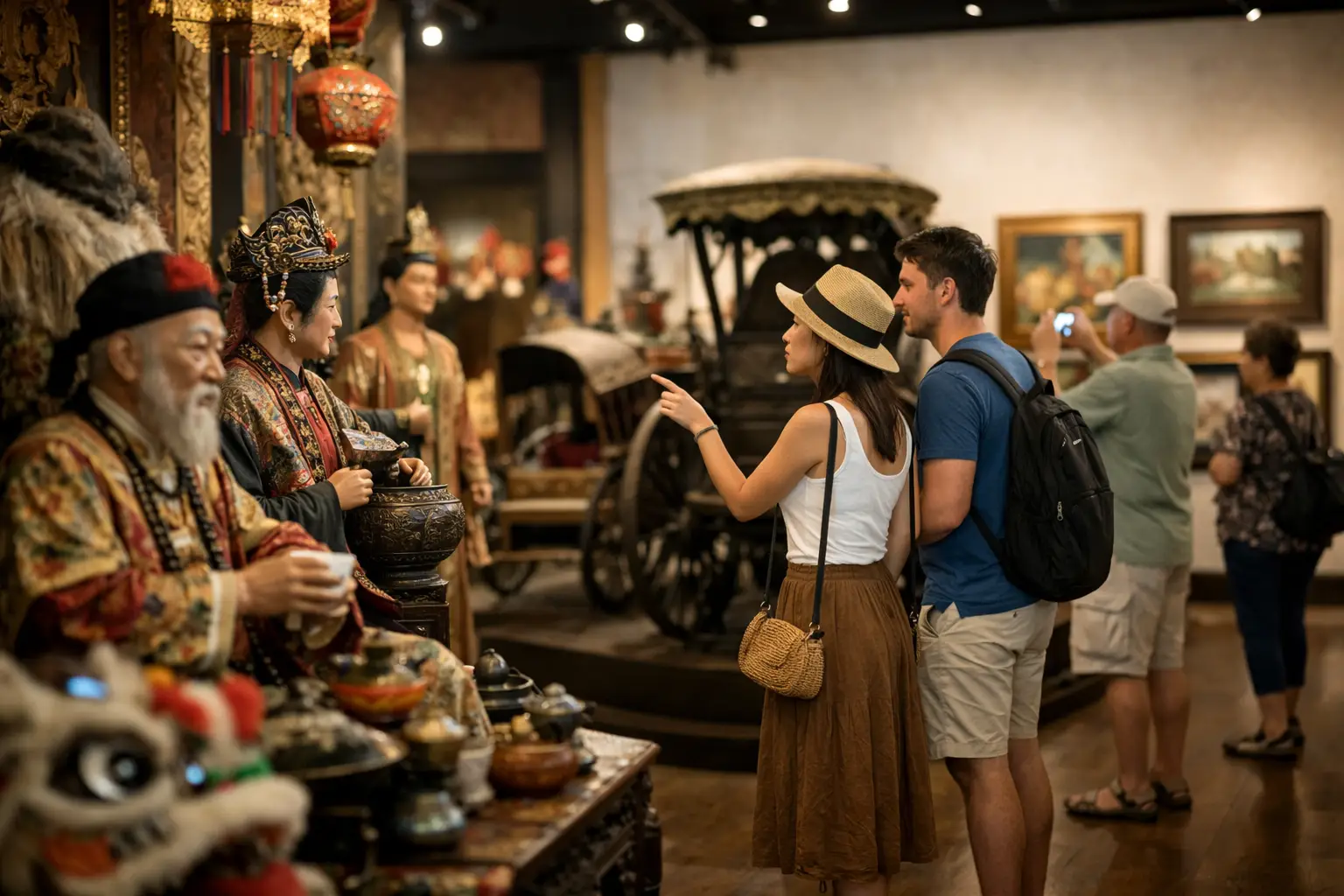

Some museums ask for an hour. The best ones reshape your sense of place. If you are searching for the best museum in Georgetown Penang as tourist attraction, the answer depends on what kind of traveller you are – but for visitors who want rarity, atmosphere, and a deeper connection to Penang’s seafaring past, a maritime heritage museum offers the richest reward.
George Town is not short of museums. That is both its strength and the traveller’s dilemma. Between street art stops, heritage buildings, food trails, clan houses, and boutique attractions, it is easy to choose a museum that is pleasant enough yet forgettable by evening. A truly worthwhile museum in Penang should do more than display objects in glass cases. It should reveal why this historic port mattered, how people, goods, and ideas moved through it, and why the island still feels culturally layered today.
What makes the best museum in Georgetown Penang as tourist attraction?
For a museum to stand out in a city built on history, it needs more than a good location. It needs authenticity, a distinct curatorial point of view, and an experience that feels specific to Penang rather than interchangeable with any heritage venue in Asia. Tourists tend to remember three things: what they learnt, what they saw that they could not see elsewhere, and how the place made them feel.
That is where maritime history carries unusual power. Penang was never only a backdrop of handsome shophouses and famous hawker food. It was a meeting point shaped by trade routes, migration, exchange, ambition, and risk. A museum that brings this story to life through genuine recovered artefacts, especially ceramics and porcelain from historic shipwrecks, gives visitors something far more compelling than a generic heritage display. It gives them evidence of the sea itself as the author of the region’s story.
Why maritime heritage tells George Town’s story better
Many visitors arrive in George Town expecting architecture and cuisine, and rightly so. Yet the city’s character was formed by the movement of people and cargo across maritime networks. To understand Penang fully, it helps to look beyond the street and towards the water.
Shipwreck ceramics are particularly arresting because they collapse centuries into a single object. A bowl, plate, or porcelain vessel is not merely decorative. It carries traces of trade, craftsmanship, patronage, and long-distance exchange. When such pieces are recovered from the seabed, they become even more evocative. They are survivors of voyages interrupted, cargoes lost, and histories rediscovered.
For tourists, this creates a more memorable museum visit than text-heavy chronology alone. You are not simply reading about commerce in the Straits. You are standing before the material proof of it.
A museum that offers more than static display
The strongest cultural attractions today understand that visitors want substance, but they also want a complete outing. A museum visit sits differently in a travel itinerary when it includes gallery-quality presentation, thoughtful storytelling, spaces to pause, and the possibility of extending the experience through food, conversation, or collecting.
This is why an integrated heritage and lifestyle model feels especially suited to modern tourism. It allows the museum to be both intellectually rewarding and socially inviting. For couples, it turns a cultural stop into a half-day experience. For families, it creates breathing room between exhibits. For collectors and design-minded travellers, it adds another dimension through retail and exhibition culture.
When done well, this does not dilute heritage. It dignifies it by giving it a setting worthy of the stories being told.
The case for Straits & Oriental Museum
Among the city’s cultural offerings, Straits & Oriental Museum stands apart because it focuses on a field of history that is both regionally significant and visually extraordinary. Its permanent displays of authentic porcelain and ceramic artefacts recovered from major Asian shipwrecks – including the Wanli, Turiang, Royal Nanhai, Nanyang, Xuande, and Desaru – give visitors access to material rarely encountered in an ordinary holiday museum circuit.
That matters. In a destination with many attractions competing for attention, rarity is decisive. Anyone can enjoy a museum built around reproductions, broad timelines, or novelty-driven installations. A museum built around genuine maritime archaeological collections offers something else entirely: authority.
The appeal is not only academic. Porcelain from shipwreck sites is beautiful in a way that rewards both the trained eye and the casual visitor. The forms, glazes, motifs, and variation across dynasties and trade periods create a visual rhythm that is easy to appreciate even if you do not arrive as a ceramics specialist. For the enthusiast, there is depth. For the first-time visitor, there is wonder.
Why tourists remember this type of museum
Travellers rarely describe their favourite museum by saying it had the most labels. They remember atmosphere, distinctiveness, and the sense of having encountered something real. That is precisely where a maritime collection gains emotional force.
There is also a narrative advantage. Shipwreck artefacts come with built-in drama: voyages undertaken, cargoes assembled, storms endured, routes interrupted, and objects sleeping underwater for centuries before resurfacing into public view. A museum anchored in these stories naturally creates the kind of experience visitors recount afterwards over dinner or share with friends planning their own trip.
In practical terms, this kind of attraction also suits different travel styles. History enthusiasts can spend time studying provenance and period detail. Families can respond to the treasure-like quality of underwater recovery. International visitors with limited time can absorb an essential part of Penang’s identity without needing prior knowledge. It is one of the few museum concepts that works across audiences without becoming simplistic.
More than a rainy-day option
A common mistake among tourists is treating museums as contingency plans – something to do if the weather turns or the midday heat becomes too much. In George Town, that underestimates their value. The right museum should be an anchor attraction, not a backup.
When a museum combines heritage, curation, visual beauty, and hospitality, it becomes one of the easiest ways to balance a Penang itinerary. After walking heritage streets and eating your way through the city, a refined indoor experience offers contrast. It slows the pace without dulling it. It also adds context to everything else you are seeing outside.
There is a practical luxury in that. Not every attraction needs to be rushed through in thirty minutes before moving on to the next photo stop. Some deserve to hold your attention and shape the rest of the day.
How to choose the best museum for your trip
If your priority is novelty and fast amusement, you may enjoy lighter attractions elsewhere. But if you want the best museum in Georgetown Penang for tourists in the truest sense, choose one that leaves you with a fuller understanding of the city and a stronger memory of having been there.
Look for genuine collections rather than decorative staging. Look for a point of view rather than a random assortment of objects. Look for a museum that feels rooted in place. And if your ideal cultural experience includes a touch of elegance – the chance to move from exhibition to café, from history to conversation, from viewing to collecting – then an integrated heritage destination will feel especially rewarding.
There is, of course, no single answer for every visitor. Someone travelling with very young children may prefer a more playful venue. Someone focused solely on contemporary art may choose differently. Yet for travellers seeking cultural depth, visual distinction, and a museum experience that reflects Penang’s role in the wider maritime world, the choice becomes much clearer.
A city shaped by the sea deserves to be understood through the sea. That is why a museum centred on shipwreck ceramics and maritime history feels less like an optional stop and more like one of the most meaningful ways to encounter George Town at all. If you only visit one museum during your stay, make it the one that tells the story no street façade can tell on its own.