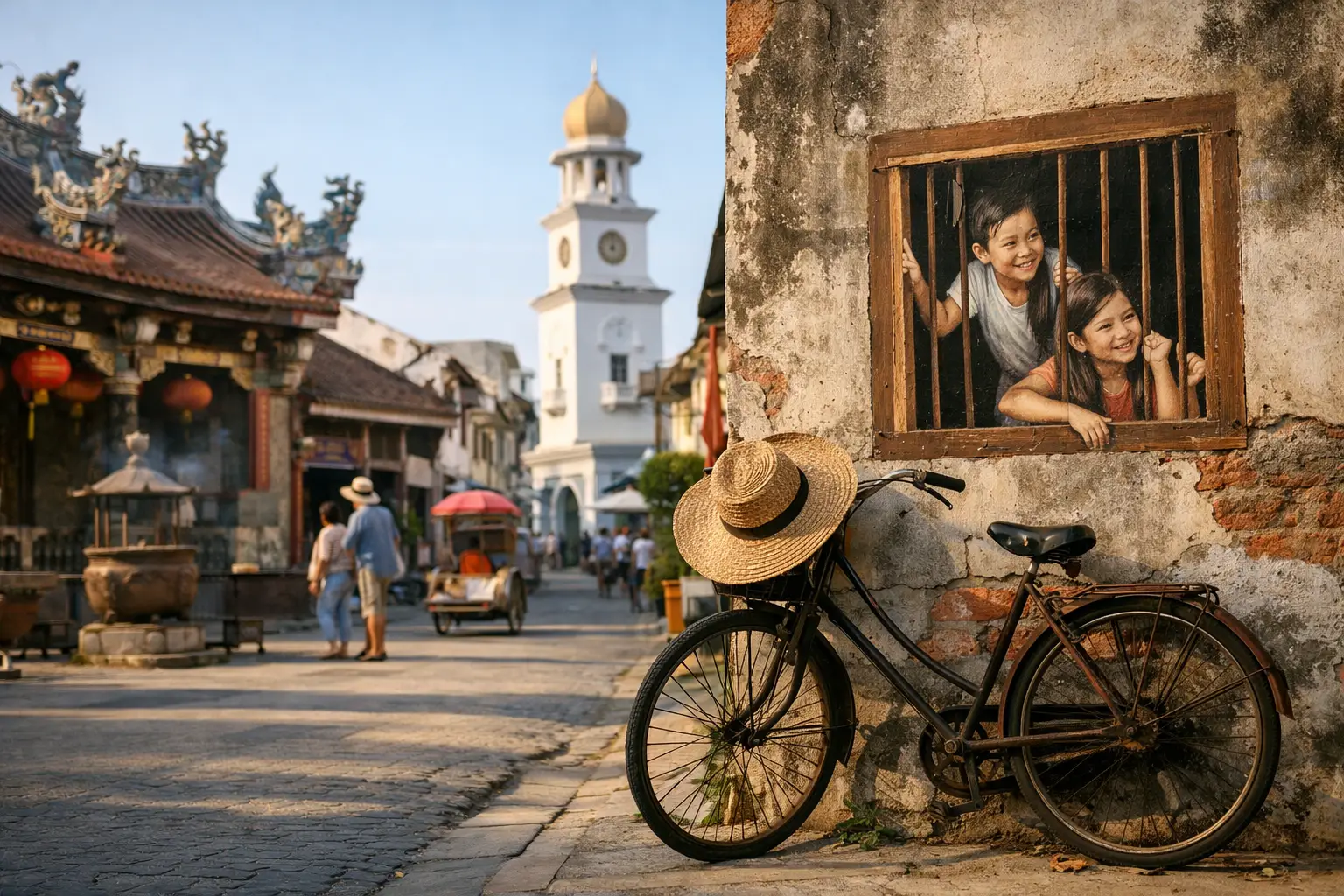

The best history days in George Town rarely begin with a checklist. They begin with a street corner, a weathered shutter, a temple bell, or the scent of incense drifting past a century-old shophouse. If you are searching for things to do in George Town Penang for history lovers, the real pleasure lies in how closely the city wears its past. Here, history is not fenced off behind velvet ropes. It is layered into port buildings, clan halls, religious sites, former merchant homes, and the everyday rhythm of the old town.
George Town rewards visitors who like their heritage tangible. This is a city shaped by trade, migration, faith, and craftsmanship, and its most memorable historical experiences reveal how those forces met on one small island and changed it forever. Some sites are grand and ceremonial. Others are quiet, domestic, and easy to miss unless you know what you are looking at.
Things to do in George Town Penang for history lovers
A thoughtful itinerary should balance official landmarks with places that still feel lived in. Start with the waterfront story, because Penang’s history was never only local. It was maritime, mercantile, and deeply connected to the wider region.
1. Begin with Penang’s maritime past
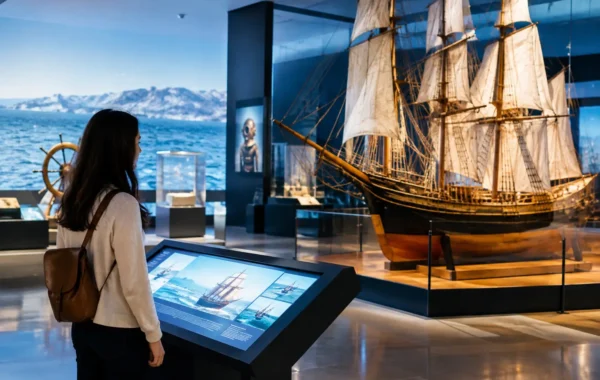
For anyone serious about understanding George Town, the sea comes first. The settlement rose because of trade routes, harbour activity, and the movement of people and goods across Asia and beyond. That is why a maritime collection offers more than beautiful objects – it gives context to the city itself.
A visit to Straits & Oriental Museum is especially rewarding if you are drawn to the material evidence of trade. Its rare shipwreck ceramics and porcelain recovered from historic Asian wrecks bring the region’s seaborne history into sharp focus. Rather than treating the past as abstract, the collection shows what commerce, taste, risk, and exchange looked like in the cargo hold. For history lovers, that is a different kind of thrill from reading a plaque on a wall. You are looking at objects that travelled, sank, survived, and now tell their story in Penang.
2. Walk through Fort Cornwallis
Fort Cornwallis remains one of the most recognisable colonial-era landmarks in George Town, and it is worth visiting early in the day before the heat settles in. While the structure itself is not a grand military fortress by European standards, it matters because it marks the period when Penang entered British imperial networks in a more formal way.
The appeal here is interpretive rather than dramatic. You are not visiting for battlefield atmosphere. You are visiting to understand how defence, trade, administration, and strategic ambition came together on this coastline. If you enjoy history with nuance, Fort Cornwallis is best seen as a clue to the ambitions of empire, not as a complete story in itself.
3. Step inside Khoo Kongsi
If George Town’s colonial sites tell one part of its history, the clan houses tell another that is just as important. Khoo Kongsi is one of the finest places to understand Chinese migration, kinship, patronage, and community organisation in Penang.
Architecturally, it is dazzling. Yet the greater value lies in what it reveals about how migrants created durable institutions in a new place. The carvings, tablets, courtyards, and ceremonial spaces all speak to memory, status, and belonging. It is a site that rewards slow looking. If you rush through it as a photo stop, you miss the point.
4. Visit Pinang Peranakan Mansion
Few places communicate domestic heritage as vividly as Pinang Peranakan Mansion. For visitors interested in social history rather than only political milestones, this is one of the richest stops in the city.
The mansion opens a window into Peranakan life, taste, etiquette, and prosperity. Furniture, porcelain, textiles, jewellery, and decorative detail do more than impress the eye. They reveal how communities in Penang absorbed influences from China, the Malay world, and Europe while producing a culture distinctly their own. It is especially compelling if you want to understand history through interiors, rituals, and the performance of status in the home.
5. See the Kapitan Keling Mosque and nearby places of worship
One of the most meaningful things to do in George Town Penang for history lovers is to pay attention to how closely different faith traditions sit beside one another. The historic core is not important simply because old buildings remain. It is important because those buildings reflect overlapping communities who shaped the city together.
Kapitan Keling Mosque offers an essential part of that picture. Its history reflects Indian Muslim presence in Penang and the wider trading world that connected the port to South Asia. Nearby churches, Hindu temples, and Chinese temples deepen the experience. Seen together, these places make George Town’s plural identity tangible in a way few historical districts manage.
6. Spend time on Armenian Street and its surrounding lanes
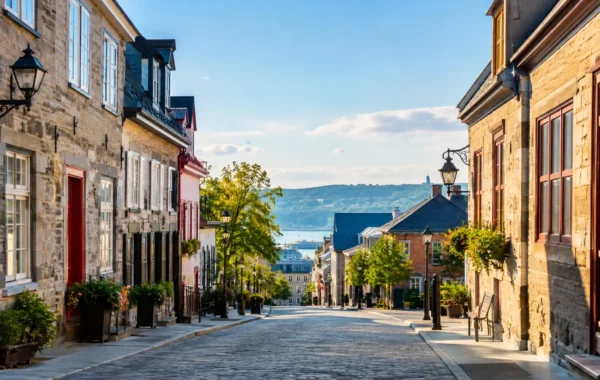
Not every historical experience needs an admission ticket. Armenian Street and the adjoining lanes are best approached on foot and with time to spare. Look up at facades, notice shutter designs, air wells, timber details, signboards, and five-foot ways. The built fabric of George Town often says as much as any museum label.
This area is lively, which brings a trade-off. At busy times it can feel more tourist-forward than contemplative. Even so, the street remains valuable because it shows how heritage survives within commerce, hospitality, and daily urban life. The best approach is to wander beyond the most photographed corners and let the architecture tell its quieter stories.
7. Enter Cheong Fatt Tze Mansion if design history interests you
The Blue Mansion is often recommended for its visual drama, and rightly so, but it is more than an elegant backdrop. It offers insight into mercantile wealth, transnational identity, and the social world of a powerful overseas Chinese figure during Penang’s formative years.
What makes it stand out is the way architecture, restoration, and biography intersect. If you are interested in how elite households expressed power and cosmopolitan taste, this is one of the city’s most satisfying visits. It is less useful if you want broad political history, but excellent for understanding status, patronage, and urban life at the upper end of society.
8. Make room for the Goddess of Mercy Temple
George Town’s temples are not museum pieces. They remain active, atmospheric, and emotionally resonant. The Goddess of Mercy Temple is particularly worth a stop because it helps connect migration history with devotional life.
For history lovers, active temples can sometimes reveal more than restored heritage houses. The continuity matters. You are not only seeing what a community built long ago. You are seeing what it has kept alive. That distinction gives the visit its depth, especially if you spend a few minutes observing rather than merely passing through.
9. Visit the Penang State Museum and Gallery if it is open during your stay
A city like George Town can tempt visitors into relying only on atmospheric street wandering, but a broader institutional overview still has value. If the Penang State Museum and Gallery is accessible during your trip, it can help frame the island’s political, social, and cultural development beyond the old town alone.
This is where expectations matter. Large civic museums are useful for chronology and context, though not always as visually intimate as house museums or specialist collections. If you prefer the wider historical arc, it is worth your time. If you are more interested in highly curated, object-led storytelling, you may find smaller venues more memorable.
10. Explore the Clan Jetties with care
The Clan Jetties are among the most photographed parts of George Town, but they should be approached with a little sensitivity. These waterside settlements are not open-air theatre. They are living communities with deep roots in the port history of Penang.
For history lovers, the jetties matter because they preserve a rare link between labour, migration, kinship, and waterfront life. Their significance is social as much as architectural. Visit respectfully, keep noise down, and remember that authenticity becomes fragile when a place is loved too noisily.
11. End the day with history you can sit with
George Town is a city best absorbed over hours, not hurried through between attractions. One of the pleasures of heritage travel here is that the day need not split neatly between culture and leisure. A museum visit can lead naturally into a meal, a gallery stop, or time spent reflecting over coffee in a restored setting. That blend feels true to the city itself, where trade, hospitality, and culture have always been entangled.
How to shape a more rewarding heritage itinerary
If you only have one day, focus on contrast. Pair a maritime collection with a clan house, add one religious site, and then spend the remaining time walking the streets between them. That gives you trade, community, faith, and urban texture in a single arc.
If you have two days, resist the urge to overbook. George Town’s strength lies in atmosphere as much as monuments. Leave room to notice doorways, courtyards, inscriptions, tiled floors, and shopfronts. History here often appears in fragments, and those fragments are part of the pleasure.
The most rewarding travellers are usually the ones who accept that George Town cannot be reduced to one story. It is not only colonial, not only Chinese, not only maritime, not only sacred, and not only commercial. It is all of these at once. Approach it with curiosity rather than certainty, and the city will give you far more than a list of sights ever could.