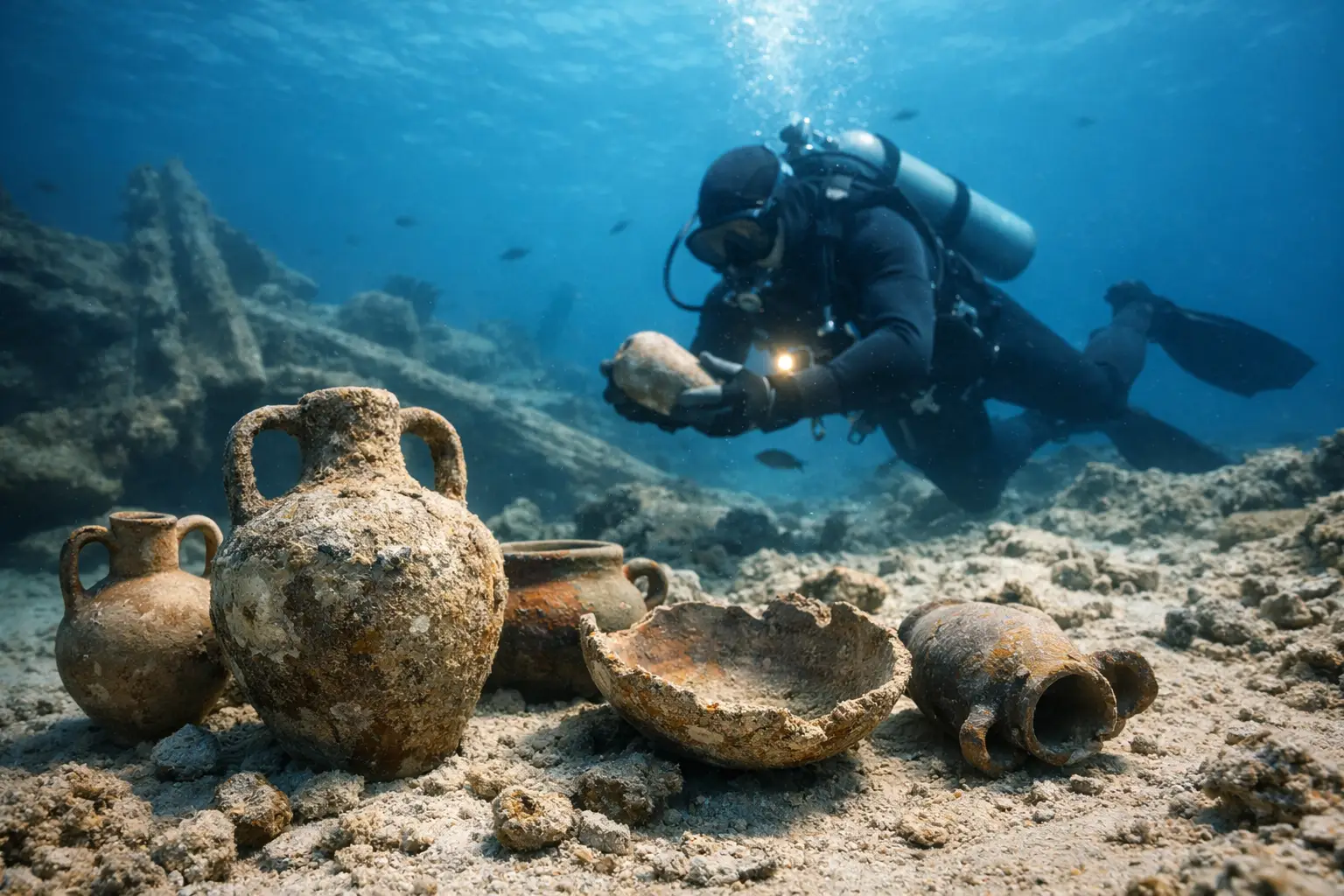

A bowl lifted from the seabed is never just a bowl. In maritime archaeology ceramics, even a chipped dish or storage jar can redraw trade routes, date a wreck, reveal forgotten tastes, and connect a modern visitor with the lives of merchants, sailors and households from centuries ago.
That is what makes these artefacts so compelling. Ceramics survive where many other materials do not. Textiles rot, wood weakens, paper disappears, but porcelain and stoneware often endure in remarkable numbers. When recovered with care, they offer something rare – beauty and evidence at once.
What maritime archaeology ceramics can tell us
Ceramics are among the most informative finds in maritime archaeology because they were made in large quantities, traded widely and often produced in styles tied to a particular kiln, period or market. A single cargo assemblage can show where a ship loaded its goods, who it hoped to sell to and how deeply connected Asian ports were long before modern shipping lanes.
For historians, ceramics help anchor chronology. Decorative motifs, glaze types, clay bodies and kiln techniques can narrow a date range with impressive precision. For visitors, the appeal is more immediate. These objects make maritime history tangible. It is one thing to read about commerce across the South China Sea or the Straits of Malacca. It is another to stand before a porcelain dish that actually made that journey, until storm, conflict or navigational error sent it to the seabed.
There is also a social story embedded in ceramic cargo. Fine export porcelain suggests elite demand and long-distance prestige trade. Everyday wares point to practical use, broad consumption and regional exchange. Large jars may indicate storage needs aboard ship or the movement of staple goods. In other words, ceramics reveal not only what was traded, but how people lived.
Maritime archaeology ceramics and the story of Asian trade
Asian shipwreck ceramics are especially significant because they reflect a maritime world that was sophisticated, competitive and intensely international. Chinese kilns produced wares for domestic use, courtly use and export. Southeast Asian ports served as hubs of exchange. Merchants moved goods across monsoon routes that linked China, the Malay world, the Indonesian archipelago, India and beyond.
Ceramic cargoes show that trade was never one-dimensional. A ship might carry high-value porcelain alongside utilitarian stoneware. Some wares were intended for wealthy buyers, others for growing urban markets, port communities or regional redistribution. The result is a layered picture of commerce rather than a simple tale of luxury goods moving in one direction.
This is where wreck collections become so powerful. They preserve a frozen commercial moment. Instead of isolated pieces separated by time and ownership, a wreck may present thousands of objects that travelled together. That context matters. It helps scholars ask better questions about packing methods, cargo priorities, market demand and the economics of maritime exchange.
In a place such as George Town, where port history and cultural exchange remain part of the city’s character, these ceramics resonate beyond the gallery. They speak directly to Penang’s identity as a meeting point of peoples, goods and stories.
Why shipwreck ceramics are more than beautiful objects
Beauty is often the first point of entry. Visitors notice the luminous glaze, the precision of blue-and-white decoration, the balance of a well-thrown vessel. Yet aesthetics are only part of the value.
Maritime archaeology ceramics carry traces of disruption. Marine accretions, abrasion, staining and breakage can all form part of the object’s history. A pristine plate may impress, but a stack of bowls fused by time underwater can be just as eloquent. It reminds us that recovery is not about turning the past into flawless luxury. It is about preserving evidence, even when that evidence is fragmentary.
There is a useful tension here. Ceramics from shipwrecks can look exquisite in a museum setting, and they can also challenge comfortable assumptions about trade and collecting. Some pieces were mass-produced for export. Some were precious. Some were everyday wares caught in extraordinary circumstances. Their importance depends on context, not only rarity.
That distinction matters for public understanding. A museum-quality display should inspire wonder, but it should also encourage careful looking. Why are there so many near-identical bowls? Why do some forms repeat across different wrecks? Why do motifs change over time? These are not minor details. They are the clues that turn display into discovery.
The challenge of reading ceramics from the seabed
Ceramics seem straightforward because they survive so well, but interpretation is rarely simple. Context can be disturbed before archaeologists arrive. Storms shift cargo. Salvage activity can separate objects from their original positions. Recovery methods from earlier decades did not always meet the standards expected today.
That means every shipwreck collection involves judgement. Scholars compare forms, glazes and marks with known kiln sites and dated examples. They study cargo composition rather than relying on a single standout piece. They ask whether an assemblage represents one loading event or a mixed deposit. Sometimes the answer is clear. Sometimes it depends.
There are ethical questions as well. Shipwrecks are archaeological sites, not merely sources of attractive antiques. Proper documentation, conservation and interpretation are essential if recovered ceramics are to retain scholarly value. Without that, objects risk becoming detached from the very stories that make them significant.
For a public-facing institution, this creates both responsibility and opportunity. The responsibility is to present artefacts with respect for provenance and context. The opportunity is to help visitors understand why authentication and interpretation matter. A plate behind glass is interesting. A plate connected to a named wreck, a trade network and a historical moment is unforgettable.
How museums bring maritime archaeology ceramics to life
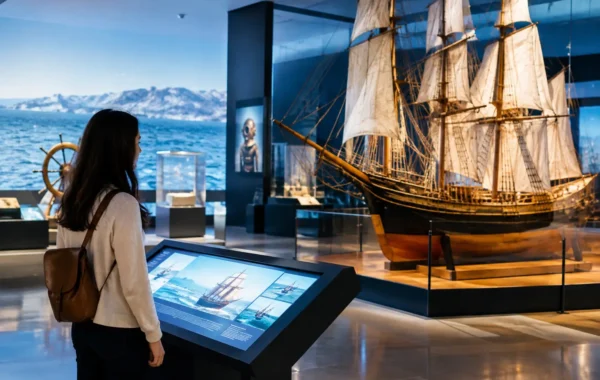
The best displays do more than arrange objects by size or visual appeal. They build atmosphere and narrative. A wreck collection can be presented as evidence of commerce, craftsmanship, risk and cultural encounter all at once.
This is particularly effective when ceramics are grouped by shipwreck, dynasty, cargo type or destination market. Visitors begin to see patterns. One wreck may reveal a concentration of blue-and-white export porcelain. Another may show robust utilitarian wares intended for daily use. Another may demonstrate a shift in shapes designed for specific overseas tastes. These differences help audiences understand that maritime trade changed over time and responded to demand.
Interpretation also matters in tone. Too academic, and the objects become remote. Too decorative, and the history thins out. The most memorable museums strike a balance between scholarship and atmosphere, allowing visitors to appreciate both the splendour of porcelain and the drama of its passage across the sea.
That balance is part of what makes Straits & Oriental Museum distinctive. Its presentation of authentic shipwreck ceramics places maritime heritage in a setting that feels both culturally serious and welcoming, turning a gallery visit into a fuller encounter with history, design and place.
Why these collections still matter now
Maritime archaeology ceramics matter because they challenge narrow versions of history. They show that Asia’s seas were not margins but arteries. They carried commodities, ideas, technologies and taste. Ceramics, with their durability and range, preserve this movement in unusually vivid form.
They matter because they humanise trade. Behind every cargo was a chain of decisions – potters shaping clay, kiln workers firing loads, merchants financing voyages, crews handling cargo, buyers waiting in distant ports. A dish recovered from a wreck condenses all of that labour into a single surviving object.
They matter because they invite slow looking in an age of quick consumption. A visitor might first respond to colour and form, then notice stacking marks, firing flaws or repeated patterns made for export markets. The object rewards attention. The more closely you look, the more history it yields.
And they matter because they belong to larger conversations about heritage, stewardship and identity. In port cities and trading regions, shipwreck ceramics are not abstract archaeological data. They are part of the story of how communities were connected to the sea, to commerce and to one another.
A well-presented ceramic from a shipwreck can do something rare. It can satisfy the collector’s eye, the traveller’s curiosity and the historian’s need for evidence at the same time. That is why these objects continue to hold such power. They are fragments of cargo, certainly, but they are also fragments of civilisation – still speaking, centuries after the voyage ended.