
A good museum date begins before either of you enters the gallery. The most memorable outings are not built around racing through every room or proving how much you know. They are built around shared curiosity, a little time to linger, and a setting that gives conversation somewhere meaningful to go. Learning how to plan museum dates well turns a pleasant afternoon into a story you will both remember.
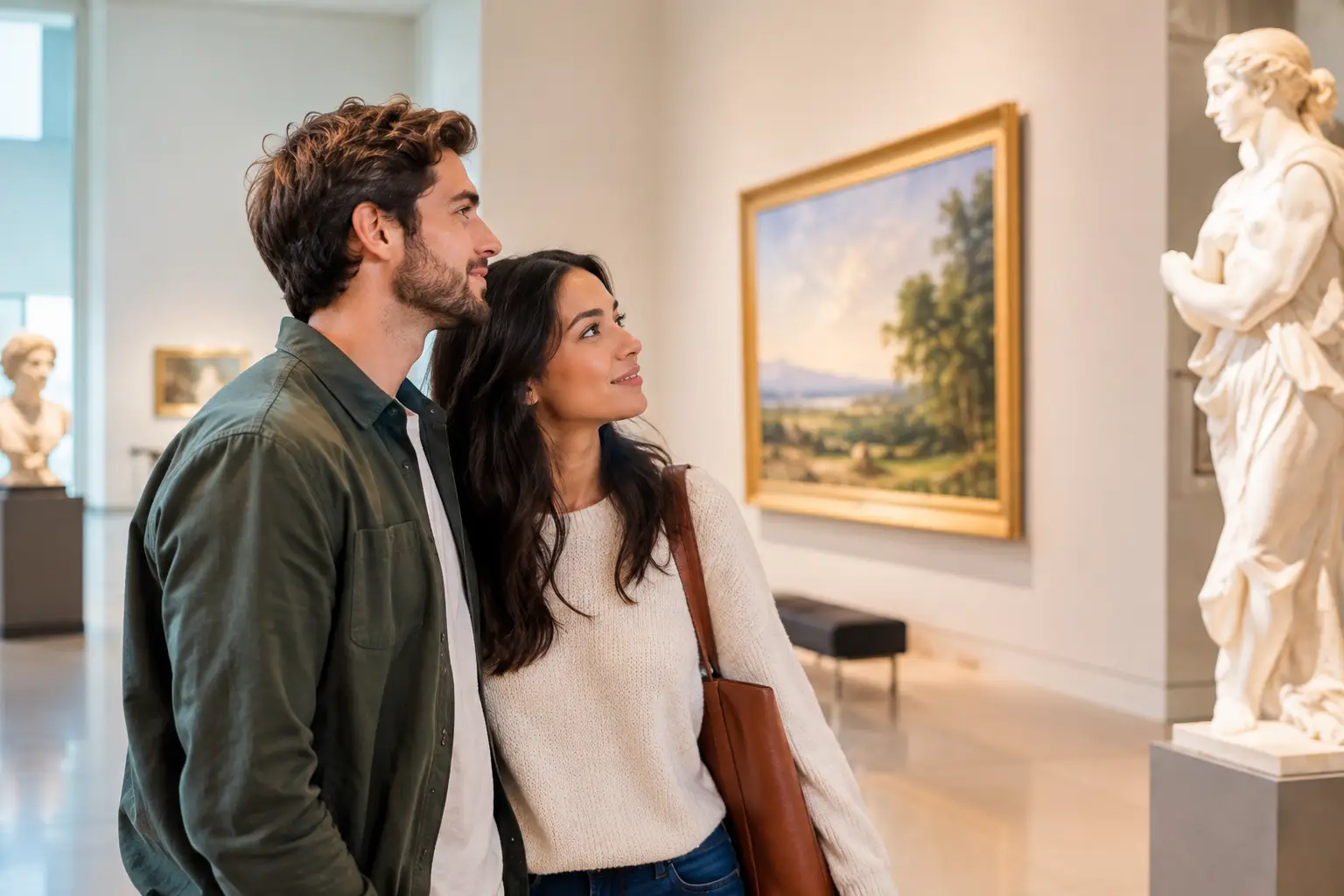
A museum offers a rare kind of occasion: one where beauty, history and personal taste are already part of the conversation. You do not need to fill every silence. A painted bowl, an unusual artefact or the quiet grandeur of an exhibition can do some of that work for you.
How to plan museum dates around a shared interest
Start by choosing a museum with a story that feels worth stepping into together. This matters more than selecting the largest institution or the one with the most famous name. A date works best when the collection gives you both something to react to, whether that is art, design, local history, fashion, science or archaeology.
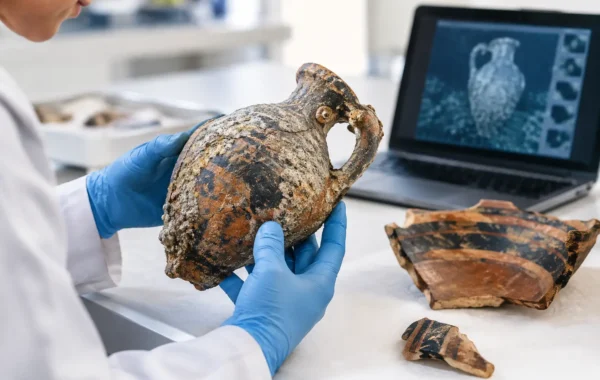
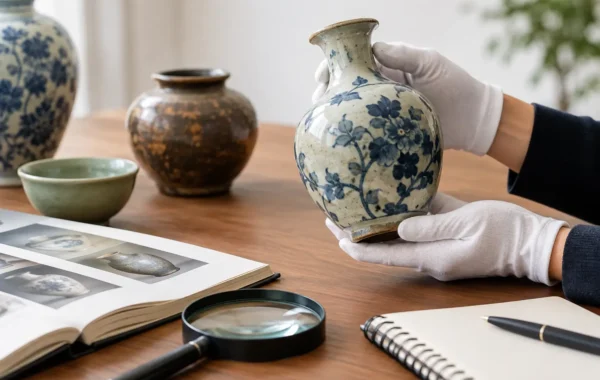
For couples visiting George Town, maritime heritage offers a particularly evocative setting. Shipwreck ceramics bring together craftsmanship, trade, travel and chance. A porcelain piece that survived centuries beneath the sea is not simply beautiful. It invites questions: who made it, who carried it, where was it meant to go, and how did it return to the surface? Those questions make a visit feel less like a lesson and more like a journey through time.
It is worth checking the museum’s opening hours, entry arrangements and current exhibitions before proposing the date. A little preparation is considerate, not overly formal. If one person prefers a relaxed outing and the other loves detail, choose a place where you can move at your own pace and take breaks without feeling that you have missed the point.
A well-chosen museum can also suit the stage of the relationship. For a first date, favour an accessible exhibition with plenty to see but no pressure to stay all day. If you already know one another well, a more specialised collection may create richer conversation. The ideal visit is not necessarily the most scholarly one. It is the one that leaves room for both of your personalities.
Choose the right time, not just the right museum
Timing changes the mood of a museum date. A morning visit feels fresh and purposeful, especially if you plan to continue with lunch. Late afternoon can feel more leisurely, with the promise of a drink or dinner afterwards. Weekdays are often quieter, making it easier to pause by an object without navigating busy galleries or speaking over crowds.
Allow more time than you think you need, but do not attempt to see everything. Two hours is often enough for a satisfying visit, particularly when you include a pause to talk. The aim is not to complete a collection as if it were a checklist. Leave with a few objects clearly remembered rather than a blur of labels and photographs.
If your date has limited mobility, sensory preferences or young children in tow, planning becomes even more valuable. Check whether there are lifts, seating, accessible routes and family-friendly facilities. Thoughtfulness in these practical details sets the tone for the day. It says that the experience matters, and that the person beside you matters too.
Build in a moment to pause
The finest museum dates have a natural rhythm: arrival, discovery, a pause, then a chance to reflect. If the venue includes a café, restaurant or bar, make use of it. Moving from gallery to table gives you a gentle change of pace and helps the visit become a fuller cultural occasion rather than a single activity squeezed between other plans.
At Straits & Oriental Museum, the experience can extend from ancient shipwreck ceramics and gallery displays into dining, refreshments and a considered gift selection. That combination is especially useful for a date because there is no need to abruptly end the occasion once you have seen the collection. You can let the conversation continue over a meal or a drink, surrounded by the same heritage-minded atmosphere.
Avoid making every choice a surprise if your guest has dietary needs, a tight schedule or strong preferences. You can still preserve a sense of occasion by saying, “I have planned somewhere interesting”, while confirming the essentials beforehand. Good hosting is rarely about secrecy. It is about making someone feel at ease.
Let the collection lead the conversation
You do not need an art-history qualification to enjoy a museum date. In fact, rehearsed facts can create more distance than delight. Look first. Notice what draws your attention. Then share an honest response.
Try questions that invite interpretation rather than a correct answer. Ask which object they would take home if they could, which detail feels most surprising, or what kind of person they imagine once owned a particular piece. With historical collections, you might ask whether an artefact feels more impressive because of its craftsmanship or because of the journey it has survived.
Be willing to disagree, gently. One person may be captivated by a finely decorated porcelain vessel, while the other is more interested in the trade route that brought it across the sea. That difference is useful. It gives you a glimpse of how each other sees the world.
There is also no need to talk constantly. Museums give silence a purpose. Standing together in front of a compelling object, reading a short label, or simply taking in the colour and form of a display can be as connective as conversation. The trick is to avoid treating quietness as a failure.
Keep mobile phones present but not central
Photographs can preserve a beautiful detail or help you remember an exhibition later. They can also pull attention away from the person and place in front of you. Agree on a light touch: take a few images where permitted, then put the mobile phone away.
Rather than photographing every display, choose one or two things each that you want to revisit afterwards. Perhaps it is the soft blue of a ceramic glaze, a carved motif, or an object with an unexpectedly modern shape. At the end of the date, compare your choices. It is a simple way to continue the conversation without turning the gallery into a content shoot.
Do observe each museum’s photography rules. These protect fragile works, support lenders and help maintain a respectful experience for other visitors. A date feels more refined when both of you are attentive to the setting.
Add one small personal gesture
Museum dates do not require grand gestures. Often, the best addition is something modest and specific. Bring a note with the name of an exhibition you think they will enjoy. Choose a postcard from the gift house that reflects an object you discussed. Suggest a walk afterwards through a nearby heritage street, allowing the architecture and atmosphere to echo what you have just seen.
If it is a birthday, anniversary or holiday treat, you might make the museum the centrepiece of a longer day. Begin slowly, book a table afterwards, and leave enough open time that neither of you feels hurried. The trade-off is that a tightly planned itinerary can look impressive but feel exhausting. One excellent museum visit, a thoughtful meal and a little room to wander will usually feel more generous than five scheduled stops.
For a first date, keep the gesture light. A shared coffee or a small souvenir is warmer than an extravagant purchase. For a long-standing partner, a special exhibition or a book connected to a favourite period can show that you have listened over time.
Leave while the day still feels full
Knowing when to finish is part of how to plan museum dates with confidence. Do not wait until one of you is tired, hungry or overwhelmed by information. End on a high point: after your favourite room, after a drink, or once you have each named the object that stayed with you.
As you part, ask one last question that reaches beyond the museum: “What would you like to see next time?” It keeps the shared curiosity alive and turns a single outing into the beginning of a small tradition. The best museum date does not demand a perfect response to every work of art. It simply gives two people something beautiful, unusual and lasting to carry into the rest of their day.