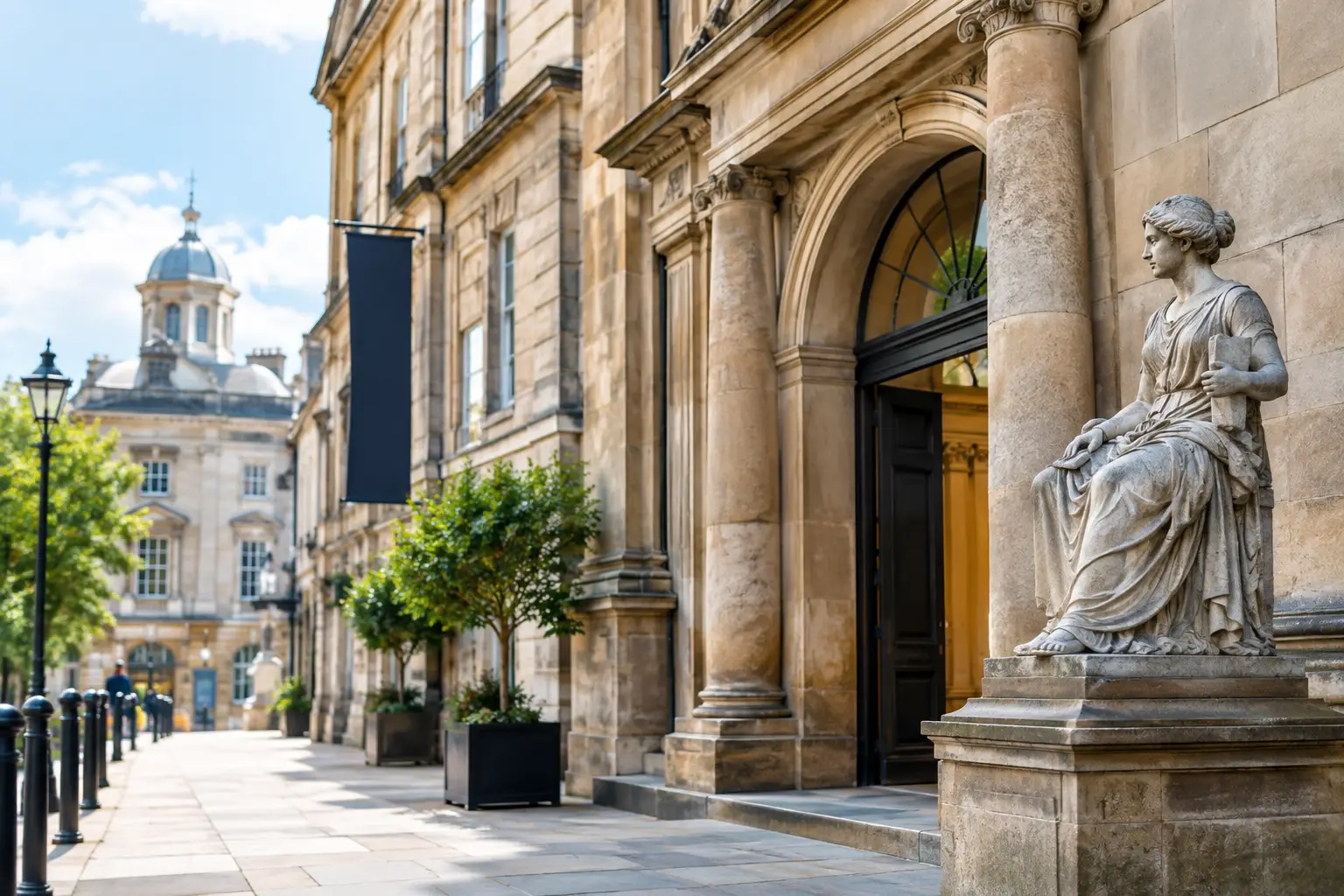

King Street rewards visitors who slow their pace. Behind the restored façades of George Town’s historic streets lies a museum in King Street UNESCO visitors can experience as more than a stop between landmarks: a place where objects recovered from the sea bring centuries of Asian trade, craftsmanship and travel into clear view.
For those seeking substance alongside the pleasures of a heritage walk, this part of the UNESCO World Heritage Site offers a rare proposition. Ancient ceramics, architectural character, gallery encounters and considered hospitality can belong to the same afternoon. The result is not simply a lesson in the past, but a cultural outing with a strong sense of place.
Why King Street belongs on a heritage itinerary
George Town’s UNESCO recognition rests on a living urban story. Its streets reveal the meeting of Malay, Chinese, Indian, Eurasian and European communities, shaped by commerce, faith, migration and the sea. King Street sits within that wider narrative, close enough to the waterfront to make the maritime history of Penang feel immediate rather than abstract.
A visit here is especially rewarding for travellers who have already admired the town’s shophouses, temples and street art and want to understand what connected this port to the wider region. Long before modern shipping routes, vessels carried ceramics, spices, textiles and people across the South China Sea and beyond. The porcelain now displayed in George Town was not created for a display case. It was made to travel, to be traded and used in homes far from the kilns where it began.
That is the quiet power of shipwreck ceramics. A bowl, jar or plate may be visually exquisite, but it is also evidence of a journey interrupted. Its survival beneath the water gives it a particular gravity, preserving details of glaze, form and decoration that speak across time.
A museum in King Street UNESCO travellers can linger in
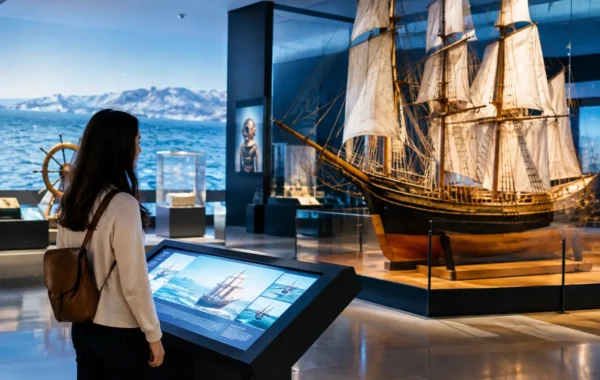
The best heritage visits leave room for both attention and ease. Straits & Oriental Museum presents maritime archaeology in this spirit, bringing together authentic porcelain and ceramic artefacts recovered from important Asian shipwrecks, including the Wanli, Turiang, Royal Nanhai, Nanyang, Xuande and Desaru.
Each wreck carries its own commercial and cultural context. Together, they reveal that Asian ceramics were not merely luxury goods. They were part of an active, sophisticated trading world, moving between ports and crossing boundaries of language, religion and status. Looking closely at a vessel’s shape or painted motif can reveal changing tastes, workshop traditions and the practical requirements of life at sea.
This is where an integrated heritage and lifestyle museum offers a different rhythm from a conventional gallery. The collection remains central, but the experience extends beyond viewing objects in sequence. Visitors can move from historic artefacts to art, exhibitions, food, drinks and carefully chosen keepsakes without losing the thread of the story. It suits couples planning an unhurried cultural date, families seeking a meaningful shared activity, and collectors who appreciate provenance as much as visual beauty.
There is a trade-off worth recognising. Those looking for a large national institution with hours of strictly academic interpretation may prefer a broader survey museum. A specialised collection, however, offers something more focused: the chance to spend time with a remarkable category of artefact and understand why it matters to this particular port city.
Porcelain as proof of connection
Porcelain often appears delicate, yet its history is inseparable from movement, risk and resilience. Fired at high temperatures, packed into ships and carried through difficult waters, these objects became part of international exchange on an extraordinary scale.
Their value today is not limited to rarity. A single cargo can show what merchants believed their customers wanted, which styles travelled well, and how manufacturing centres responded to demand. Blue-and-white wares, celadons and richly decorated pieces each tell a different story of technique and taste. When seen as a group, they document the splendour of porcelain while making the maritime networks of Asia tangible.
For children and first-time museum visitors, this can be a particularly approachable way into history. Rather than beginning with dates and dynasties, begin with a simple question: how did this fragile object travel so far, and why was it worth carrying? The answer opens onto trade routes, shipbuilding, collecting and the everyday rituals of dining.
How to make the most of your visit
Give the collection time. An hour can offer a satisfying introduction, but a longer visit allows the details to emerge: the variation between pieces, the evidence of handwork and the surprising intimacy of objects once handled centuries ago. It is often more memorable to look carefully at a handful of ceramics than to rush past every display.
Start with the shipwreck narrative before concentrating on individual artefacts. Knowing where an object was found and the likely route it travelled changes the way it is seen. Then look for small distinctions in rim shapes, painted scenes, glaze tones and signs of wear. These are not minor decorative points. They connect an object to a maker, a market and a moment in history.
If travelling with friends or family, allow different interests to lead the conversation. One person may be drawn to the excavation story, another to the artistry of a dish, and another to the idea of cargo crossing monsoon seas. Heritage becomes more vivid when it is discussed, rather than treated as a test of what one ought to know.
It also makes sense to build the museum into a wider day in George Town. Visit after a morning of walking, when a shaded, reflective cultural pause is welcome, or make it the centrepiece before a meal and an evening wander through the heritage quarter. The precise order depends on your pace and priorities. Serious collectors may want quiet time with the displays, while holidaying families may prefer to balance the galleries with food and relaxed conversation.
Beyond the display case
A heritage destination should not ask visitors to choose between learning and pleasure. George Town has always been animated by trade, hospitality and exchange, so it is fitting that a museum experience here can include dining, café and bar moments alongside cultural discovery. These spaces do not dilute the history when they are thoughtfully placed. They extend the invitation to stay, reflect and share what has been seen.
The same principle applies to a gift house or collection-led purchase. A well-chosen object, book or memento can keep a visit present long after leaving King Street. For collectors, the appeal may lie in studying forms and periods more closely. For other visitors, it may simply be a reminder that history is made of objects with stories, not distant facts on a plaque.
The value of seeing maritime history in Penang
Maritime archaeology can seem remote when encountered only in books. In Penang, it belongs to the landscape. The island’s identity has long been shaped by arrivals and departures, by goods passing through and communities making a home beside the water. A shipwreck collection in George Town therefore offers more than an account of lost vessels. It provides a lens for seeing the city itself.
This perspective is valuable for international visitors as well as local residents. It complicates the familiar image of porcelain as a decorative collectible by showing its role in a far-reaching economic and cultural system. It also gives UNESCO heritage a human scale. The grand story of a historic city becomes visible in the curve of a cup, the blue brushwork on a plate, and the journey that placed it on a seabed for centuries.
Before leaving King Street, take one final look at an object that held your attention. Consider its maker, its intended owner and the sea voyage it never completed. That small act of looking is often where a good museum visit becomes a lasting story.