
George Town is often remembered in flavours, façades and photographs: the crackle of a wok, sun-faded shutters, incense drifting from a five-foot way. Yet penang tourism and its museum experiences reveal something more enduring. They show how this celebrated island became a meeting point for sailors, merchants, craftspeople and communities carrying ideas across the sea.
A museum visit need not feel like an interruption between street-art trails and hawker meals. Chosen well, it gives the rest of the city greater meaning. A blue-and-white porcelain bowl, lifted from a shipwreck centuries after it went down, is not merely a beautiful object. It is evidence of a journey, a trade route and a world in which Penang belonged to a far wider maritime story.
Why Penang Tourism Needs Its Museums
Penang’s greatest strength is its density of experience. Within a short walk, visitors can encounter colonial civic buildings, clan houses, temples, mosques, markets and family-run food traditions. This abundance is exhilarating, but it can also make heritage seem like scenery. Museums provide the context that turns a handsome building or historic street into part of a living narrative.
For travellers with limited time, this matters. Street wanderings offer atmosphere, while museums offer interpretation. The most memorable itinerary makes room for both: a morning spent noticing the details of George Town, followed by an unhurried encounter with the objects and stories that explain why those details exist. There is no need to choose between pleasure and learning when heritage is presented with care.
Penang’s history was shaped by movement. Ships connected the Malay Archipelago with China, India, the Middle East and Europe long before modern tourism made the island an international favourite. Goods travelled with people, and people travelled with languages, rituals, recipes and artistic traditions. The resulting cultural richness is visible across the city, but maritime collections make that exchange tangible.
A Museum Can Begin at the Shoreline
Ancient shipwreck ceramics offer a particularly compelling way to understand this history. Porcelain and stoneware were valued across Asia for their refinement, durability and utility. They travelled in vast quantities aboard trading vessels, packed for markets far from the kilns where they were made. When a ship was lost, its cargo became an accidental archive of commerce and daily life.
The significance lies beyond rarity. A vessel’s cargo can reveal what people used, desired and could afford at a particular moment in history. A small dish may speak of domestic rituals. A storage jar may suggest provisions for a long voyage. Decorative motifs can show changing tastes, technical skill and the cultural conversations taking place between ports. These objects invite close looking, which is one reason they reward visitors of different ages and levels of expertise.
There is also a necessary note of perspective. Shipwreck artefacts should not be treated as decorative trophies detached from their origins. Their value comes from responsible archaeological understanding, careful documentation and thoughtful interpretation. The finest museum displays balance visual splendour with the human reality behind the cargo: perilous voyages, skilled makers, commercial ambition and lives linked by the sea.
Penang Tourism and Its Museum as a Full Day Out
The best cultural visits fit naturally into a holiday rather than demanding an entirely separate kind of day. A museum centred on maritime heritage can be a welcome counterpoint to Penang’s energetic streets, offering time to slow down, look carefully and let a story unfold. It is especially well suited to an afternoon when the heat is at its height, or when tropical rain calls for a more contemplative change of pace.
For couples, the appeal may be the atmosphere of curated objects and the pleasure of lingering over a meal or drink afterwards. Families can use the gallery experience to turn a holiday into a conversation about maps, ships, trade and craftsmanship. History enthusiasts may prefer to study the distinctions between periods, glazes and forms. Collectors, meanwhile, will appreciate the chance to encounter ceramics as material culture rather than as isolated luxury pieces.
This is where an integrated heritage venue has a distinct advantage. Rather than asking visitors to view a collection and immediately leave, it can extend the experience through art, exhibitions, dining and a considered gift house. The trade-off is simple: those seeking a purely academic, silent gallery may prefer a conventional institution. For many travellers, however, heritage becomes more inviting when it has room for conversation, hospitality and a well-made coffee.
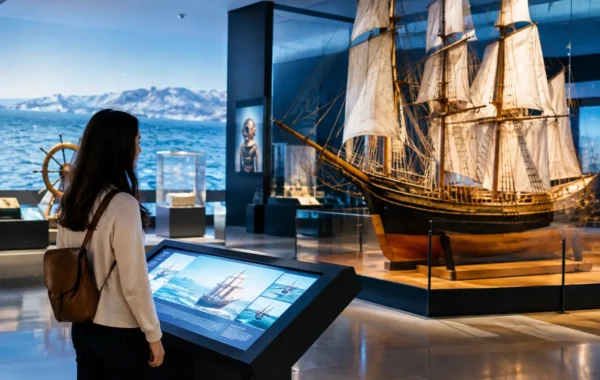
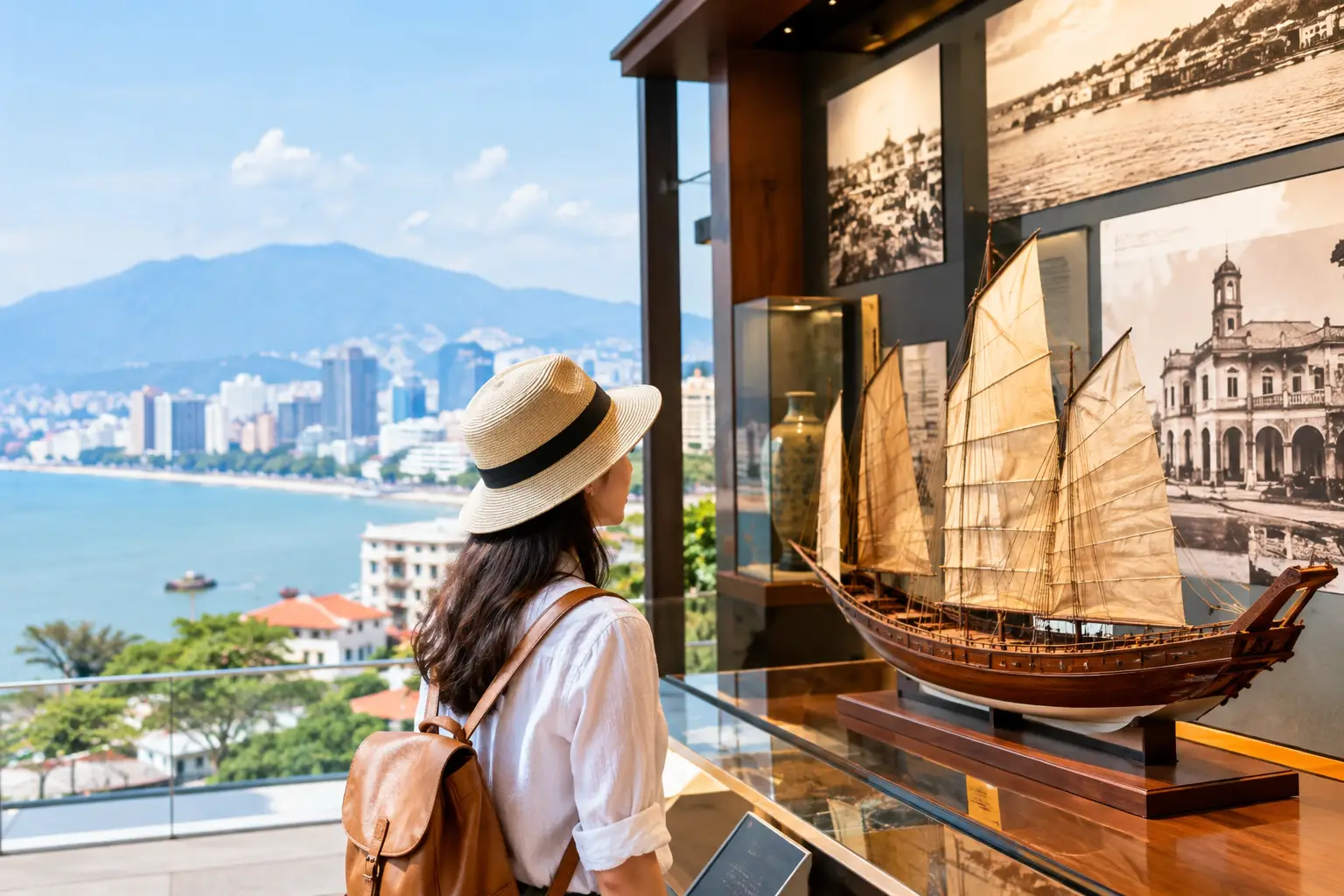
At Straits & Oriental Museum, the permanent collection brings together authentic ceramics recovered from significant Asian shipwrecks, including the Wanli, Turiang, Royal Nanhai, Nanyang, Xuande and Desaru. As Penang’s first museum of its kind and Malaysia’s first integrated heritage and lifestyle museum, it frames maritime archaeology as both a cultural encounter and a refined day out.
How to Look Beyond the Label
Visitors do not need specialist knowledge to gain a great deal from ancient ceramics. Begin with the practical questions. What was this object made for? Who may have used it? How was it packed and transported across the sea? Then look at the details: the weight of the form, the texture beneath a glaze, the confidence of a painted line, the marks of firing or centuries underwater.
It helps to resist the urge to photograph every object before seeing it. Choose one piece that holds your attention and spend a minute with it. Notice whether it feels formal or domestic, luxurious or functional, familiar or strange. A museum label can supply dates and provenance, but your own close observation creates the first connection.
Children often respond best to stories rather than terminology. Ask them to imagine the ship’s route, the weather at sea or the person who might once have eaten from a particular bowl. Adults may find the same approach unexpectedly useful. Heritage is not a test of prior knowledge; it is an invitation to become curious.
Making Space for Meaningful Leisure
There is a tendency to treat cultural tourism as worthy and dining, shopping or socialising as separate pleasures. Penang has never worked that way. Its heritage was made through exchange, hospitality and trade. Food, craft and conversation are not distractions from the story of the island. They are part of it.
A thoughtfully designed museum can honour this truth without reducing history to a backdrop. The collection must remain central, accurately presented and given space to speak. Yet there is value in continuing the visit over a meal, discussing a favourite object with travelling companions, or taking home a considered memento that keeps the experience present after the holiday ends.
That approach also makes museums more approachable for visitors who might otherwise feel excluded by formal cultural spaces. A first visit can begin with a striking exhibition or a family outing, then grow into a deeper interest in ceramics, archaeology or regional history. Accessibility does not diminish prestige when the objects and their stories are treated with respect.
As you plan time in George Town, leave one part of the day deliberately unhurried. Step inside somewhere that asks you to look beyond the surface, then carry that attention back onto the streets. Penang’s history is at its most rewarding when it is not simply seen, but understood.