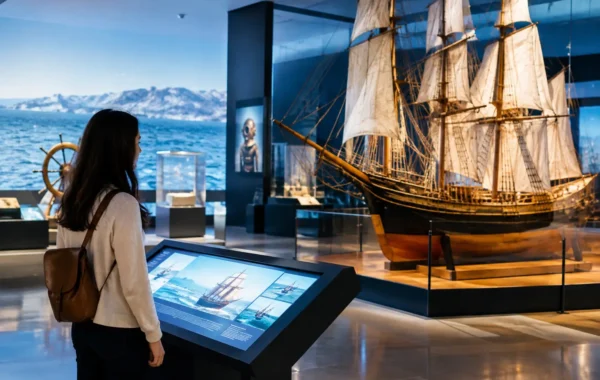

Some museums ask for an hour. The Straits and Oriental Museum in Penang asks for your attention in a different way – through objects that have already crossed oceans, survived shipwrecks and outlived empires. This is not a passive walk past display cases. It is a close encounter with trade, craftsmanship and the maritime routes that shaped this region long before modern tourism ever arrived.
For visitors seeking more than a standard heritage stop, the appeal begins with rarity. The collection is anchored by authentic porcelain and ceramic artefacts recovered from significant Asian shipwrecks, including the Wanli, Turiang, Royal Nanhai, Nanyang, Xuande and Desaru wrecks. That gives the museum a clear point of difference. Rather than telling Penang’s story only through text panels or reconstructed scenes, it places before you the very objects that once travelled the sea lanes connecting courts, ports, merchants and households across Asia.
Why the Straits and Oriental Museum in Penang stands apart
Penang is hardly short of culture. George Town rewards slow wandering, and its heritage landscape is layered with architecture, food traditions and trading histories. What makes this museum notable is that it brings maritime archaeology into a public, accessible setting while also broadening the visit into a lifestyle experience.
That matters because many travellers want depth without feeling as though they are stepping into an overly academic space. Here, scholarship and hospitality sit side by side. You can spend time with centuries-old porcelain, then continue the experience through exhibitions, gallery spaces, dining concepts and curated retail. The result feels less like a single-purpose institution and more like a cultural destination with its own rhythm.
There is also genuine significance in its positioning. As Penang’s first museum of this kind and Malaysia’s first integrated heritage and lifestyle museum, it occupies a distinctive place in the cultural landscape. That claim is not just branding language. It shapes the visitor experience by treating heritage as something to be lived with, discussed over a meal, admired in detail and carried home in memory.
A museum built around the sea’s hidden archive
Shipwreck ceramics have a special power because they collapse distance. A bowl or plate may appear delicate, yet it has survived violent weather, disaster, centuries underwater and the slow work of recovery. Seen in person, these objects do more than illustrate trade history. They reveal the scale of maritime exchange and the appetite for beauty that moved with it.
The museum’s permanent displays document the splendour of porcelain across different periods and wreck sites. That gives each section its own character. Some visitors are drawn to the technical side – glaze, form, kiln quality, motif and dating. Others respond first to the human story behind the objects: the merchants who commissioned cargo, the sailors who transported it, the markets that awaited it and the sudden loss that sent it all to the seabed.
This is where the museum earns its authority. It does not rely on generic nostalgia about old trade routes. It is grounded in artefacts with provenance and presence. For collectors and serious enthusiasts, that authenticity is central. For families and first-time museum-goers, it creates immediacy. You do not need specialist knowledge to feel the drama of an object that should never have survived, yet somehow did.
What you notice when viewing the collection
The first surprise is often the sheer refinement of the ceramics. Maritime history can sound rugged, even harsh, but the objects themselves are elegant. Fine porcelain, painterly decoration and carefully balanced forms remind you that trade was not only commercial. It was also cultural, aesthetic and aspirational.
The second is variety. Different wrecks tell different stories, and the changes in style, production and intended market become part of the experience. If you take your time, patterns begin to emerge. Certain pieces speak of courtly taste, others of export demand, others of everyday utility elevated by craftsmanship.
The third is perspective. Penang’s historic role as a port city gains added meaning when viewed through maritime cargo. The island was never isolated from the wider world. It belonged to a network of movement, exchange and ambition, and the collection makes that reality tangible.
More than a museum visit
One of the most compelling aspects of the venue is that it refuses the old assumption that culture and leisure should remain separate. Instead of ending at the gallery door, the experience extends into spaces for food, conversation, exhibitions and shopping.
For many visitors, that is not a minor extra. It changes the pace of the day. You might arrive for the museum and stay for a longer outing, allowing the collections to lead naturally into a meal or a quieter moment in the café. If you are travelling as a couple or with family, this makes the destination easier to enjoy together, especially when not everyone moves through galleries at the same speed.
There is a practical advantage too. Traditional museums can feel worthy but brief. Integrated cultural spaces invite return visits because the experience is layered. A permanent collection offers continuity, while exhibitions, hospitality and retail give each visit a slightly different texture. That is particularly attractive for local members, repeat visitors and collectors who enjoy revisiting objects in a setting that feels alive rather than static.
Who will enjoy it most
The museum has broad appeal, but it is especially rewarding for travellers who appreciate authenticity over spectacle. If you like places that reveal how a destination became what it is, this is likely to stay with you.
History enthusiasts will find substance in the maritime narrative and the shipwreck collections. Art and design lovers often connect with the visual qualities of porcelain itself. Families can enjoy the storytelling dimension, especially because shipwreck history has a natural sense of intrigue. International visitors looking for a polished cultural stop will appreciate that the experience is refined without being forbidding.
Collectors and antique enthusiasts may find an added layer of interest here. For them, the museum is not only interpretive but connoisseurial. It presents ceramics as evidence of trade and civilisation, but also as works of material culture worthy of close looking.
That said, it helps to arrive with the right expectation. This is not a loud, highly interactive attraction in the theme-park sense. Its pleasure lies in atmosphere, rarity and the quiet authority of real objects. If that sounds appealing, the museum rewards attention generously.
Making the most of your visit to the Straits and Oriental Museum in Penang
The best visits tend to be unhurried. Allow enough time not only for the galleries but for the setting as a whole. The collections deserve more than a quick circuit, particularly if you are interested in comparing pieces across different wrecks.
It is worth moving slowly through the displays and noticing detail rather than trying to absorb everything at once. Porcelain can reveal itself gradually. A motif, a glaze tone or a vessel shape that seems modest at first glance often becomes more compelling the longer you look.
If you are travelling in George Town, this museum works especially well as part of a day shaped around heritage rather than a rushed checklist. It complements the wider story of the city while offering a more specialised and memorable lens on Penang’s maritime past.
And if you enjoy combining culture with hospitality, lean into that. The integrated concept is part of the identity, not an afterthought. A meal, a coffee or a browse through the gift house can turn a good museum stop into a rounded cultural occasion.
Why it matters now
There is a wider reason places like this matter. Heritage can easily become flattened into backdrop – something photographed, consumed quickly and left behind. A museum built around recovered shipwreck ceramics resists that habit. It asks visitors to consider movement, fragility, craftsmanship and exchange over centuries, all through objects that have travelled far further than we have.
It also demonstrates that cultural institutions need not choose between seriousness and welcome. When done with care, history can be presented with elegance, confidence and warmth. The Straits & Oriental Museum captures that balance well, giving maritime heritage the dignity it deserves while making it inviting to encounter.
If you are choosing one cultural visit in Penang that feels both distinctive and deeply rooted in place, this is a strong candidate. Come for the shipwreck porcelain, stay for the atmosphere, and leave with a clearer sense that the sea has always been one of this region’s greatest storytellers.