

A heritage trip used to mean reading a placard, admiring a few vitrines and moving on. That is no longer enough. The most compelling trends in heritage tourism now revolve around something richer – travellers want to feel history, not simply observe it.
For cultural visitors, that shift is welcome. It means heritage destinations are becoming more immersive, more intelligent in their storytelling and far more attuned to how people actually spend their leisure time. It also means museums, historic quarters and cultural institutions are being asked to do more than preserve objects. They are expected to create memorable encounters with place, identity and craftsmanship.
The trends in heritage tourism are becoming more experiential
One of the clearest changes is the move from passive viewing to active engagement. Visitors still value authenticity and scholarship, but they increasingly favour experiences that place artefacts in a living context. A ceramic bowl, for instance, becomes more compelling when it is connected to maritime trade, shipwreck recovery, regional craftsmanship and the routes that shaped entire port cities.
This is why interpretation matters as much as collection depth. People are not only asking, “What is this object?” They are asking, “Why did it matter, who used it, how did it travel, and what does it reveal about the world around it?” The destinations that answer those questions well tend to leave a stronger impression.
There is, however, a trade-off. The more experience-led a heritage venue becomes, the greater the risk of turning history into a backdrop. The strongest institutions avoid that by ensuring atmosphere supports the story rather than replacing it.
Visitors want authenticity, but not austerity
Authenticity remains one of the most powerful drivers in heritage travel. Cultural tourists are often highly alert to what feels staged, diluted or generic. Replicas can have educational value, and digital interpretation can be excellent, but genuine artefacts, original architecture and evidence-based storytelling still carry unmatched emotional force.
At the same time, authenticity no longer requires a stiff or formal setting. Many travellers now expect heritage sites to be welcoming, well designed and easy to inhabit. They appreciate thoughtful lighting, elegant exhibition design, good food, comfortable rest areas and spaces that encourage a slower, more reflective visit.
That balance is shaping the sector. Heritage does not need to be stripped of comfort in order to be taken seriously. In fact, when a destination combines historical depth with hospitality, visitors often stay longer and engage more fully. The challenge is taste. Done well, the atmosphere feels curated. Done poorly, it can feel commercial.
Food is no longer separate from heritage
A striking development in recent years is the growing overlap between culinary tourism and heritage tourism. Travellers increasingly understand food not as an add-on, but as part of the cultural record of a place. Recipes, tableware, port trade, migration and ritual all tell stories about identity and exchange.
This matters particularly in historic cities with layered communities and trading histories. A meal, a tea service or even the display of ceramics can illuminate social customs and commercial links in ways that a timeline alone cannot. Heritage destinations that integrate dining thoughtfully are responding to how people naturally experience culture – through sight, taste, atmosphere and conversation.
For institutions with maritime or mercantile narratives, this creates a particularly rich opportunity. Trade objects are not abstract. They moved through ports, households and markets, influencing what people ate, bought, treasured and passed down. A visitor who understands that connection is more likely to see heritage as lived history rather than distant history.
Digital tools are supporting, not replacing, the real thing
Much has been said about technology in museums and heritage attractions, yet the most successful use of digital interpretation is usually the least showy. Visitors do not necessarily want a screen-heavy encounter. They want technology to clarify, animate and deepen what they are already seeing.
That might mean layered storytelling, visual reconstruction, multilingual access or a more intuitive way to understand provenance and context. For international travellers in particular, digital support can remove friction and make a visit feel more inclusive without reducing the integrity of the collection.
Still, there is a limit. Heritage tourists are often drawn to the material presence of the original object – its age, surface, fragility and survival. Too much digital theatre can distract from that. The prevailing trend is therefore not technology for its own sake, but technology in service of the artefact.
Place-based storytelling is gaining ground
Another of the most important trends in heritage tourism is a shift towards place-based interpretation. Travellers are less interested in isolated facts and more interested in how a destination fits into a wider historical landscape. They want the building, the neighbourhood, the trade routes, the communities and the objects to speak to one another.
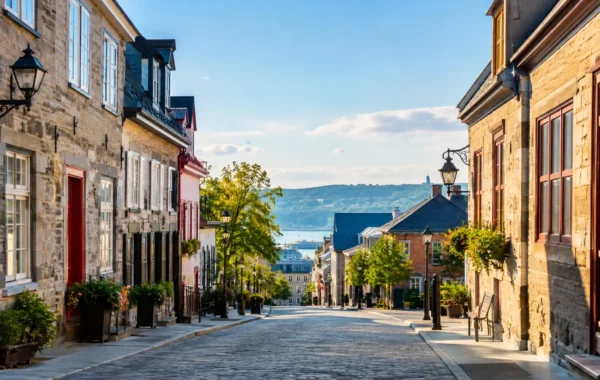
This is especially relevant in historic port cities, where heritage is rarely singular. Maritime history, migration, craft traditions, commerce and colonial entanglements often meet in the same streets. When a cultural venue interprets those layers well, it becomes more than an attraction. It becomes a lens through which visitors can understand the city itself.
For that reason, heritage tourism increasingly rewards institutions that are grounded in local character rather than built around generic global museum trends. Distinctiveness matters. Travellers can find polished visitor experiences in many places. What they cannot find everywhere is a collection or story that could only belong to one destination.
The rise of the multi-experience cultural visit
Many visitors no longer separate culture, leisure and lifestyle into neat categories. They may want an exhibition, a thoughtful lunch, a beautiful retail space and an opportunity to linger – all within one outing. This is not necessarily a sign of shorter attention spans. Often it reflects a more integrated understanding of what makes a day memorable.
The heritage sector has been adapting accordingly. Museums and cultural venues are increasingly creating layered environments that combine exhibition spaces with cafés, restaurants, design-led shops, temporary displays and social programming. For families, couples and international visitors, this makes heritage feel more accessible. For collectors and enthusiasts, it can also create a deeper sense of occasion.
The model works best when every element supports the institution’s identity. A maritime collection, for example, gains resonance when the wider visitor experience reflects the same care for narrative, material culture and regional exchange. This is part of what gives an integrated destination its appeal. It is not merely convenient. It feels coherent.
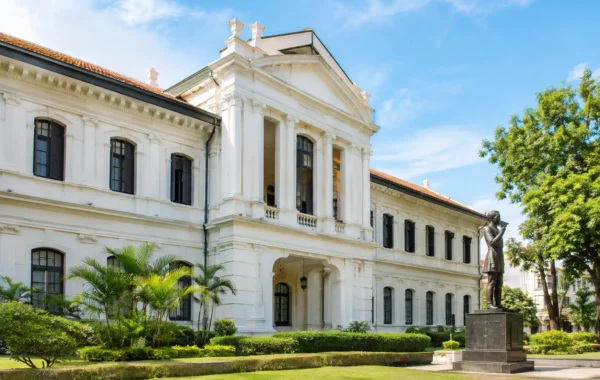
In that respect, institutions such as Straits & Oriental Museum reflect where the category is heading – towards heritage experiences that are refined, story-led and substantial enough to occupy an entire visit rather than a passing hour.
Travellers are seeking rarer, more specialised stories
Mass tourism has made many heritage destinations famous, but it has also made certain experiences feel predictable. A growing share of cultural travellers are now looking for more specialised narratives – maritime archaeology, trade ceramics, industrial history, private collections, conservation work or lesser-known community histories.
This does not mean broad appeal has disappeared. It means people increasingly value discovery. A rare artefact, an unusual curatorial focus or a collection with clear regional significance can be a powerful draw, especially for visitors who have already seen the standard museum circuit.
There is a practical implication here. Niche does not have to mean narrow. Some of the most engaging heritage experiences begin with a specialised subject and then reveal its broader human relevance. Ancient shipwreck ceramics, for instance, are not only collector’s pieces or archaeological finds. They open windows onto trade, aesthetics, danger, appetite, status and movement across Asia’s seas.
Heritage tourism is becoming more reflective
There is also a quieter shift taking place. Travellers are becoming more interested in the ethics around heritage – where objects come from, how they were recovered, how histories are framed and whose voices are included. This does not mean every visitor wants an academic debate, but many do appreciate transparency and thoughtful interpretation.
That creates both pressure and opportunity for heritage venues. Institutions that are confident in their scholarship and clear in their storytelling can meet this moment well. They can present beauty and prestige while still acknowledging complexity. In fact, doing so often strengthens trust.
Heritage has always been about more than nostalgia. At its best, it invites people to think carefully about exchange, loss, memory and continuity. That is one reason it remains so compelling in travel.
The future of heritage tourism will not belong to places that simply display the past. It will belong to those that give the past texture, context and presence – and allow visitors to carry a piece of that understanding with them long after they have left.