
A porcelain bowl lifted from a centuries-old shipwreck may appear still and self-contained behind glass. Yet it carries the movement of monsoon winds, the ambitions of merchants, the skill of kiln workers and the appetite for beauty that connected Asia long before modern borders. This is the deeper story behind UNESCO recognition in George Town: heritage is not simply preserved architecture. It is a living record of exchange.
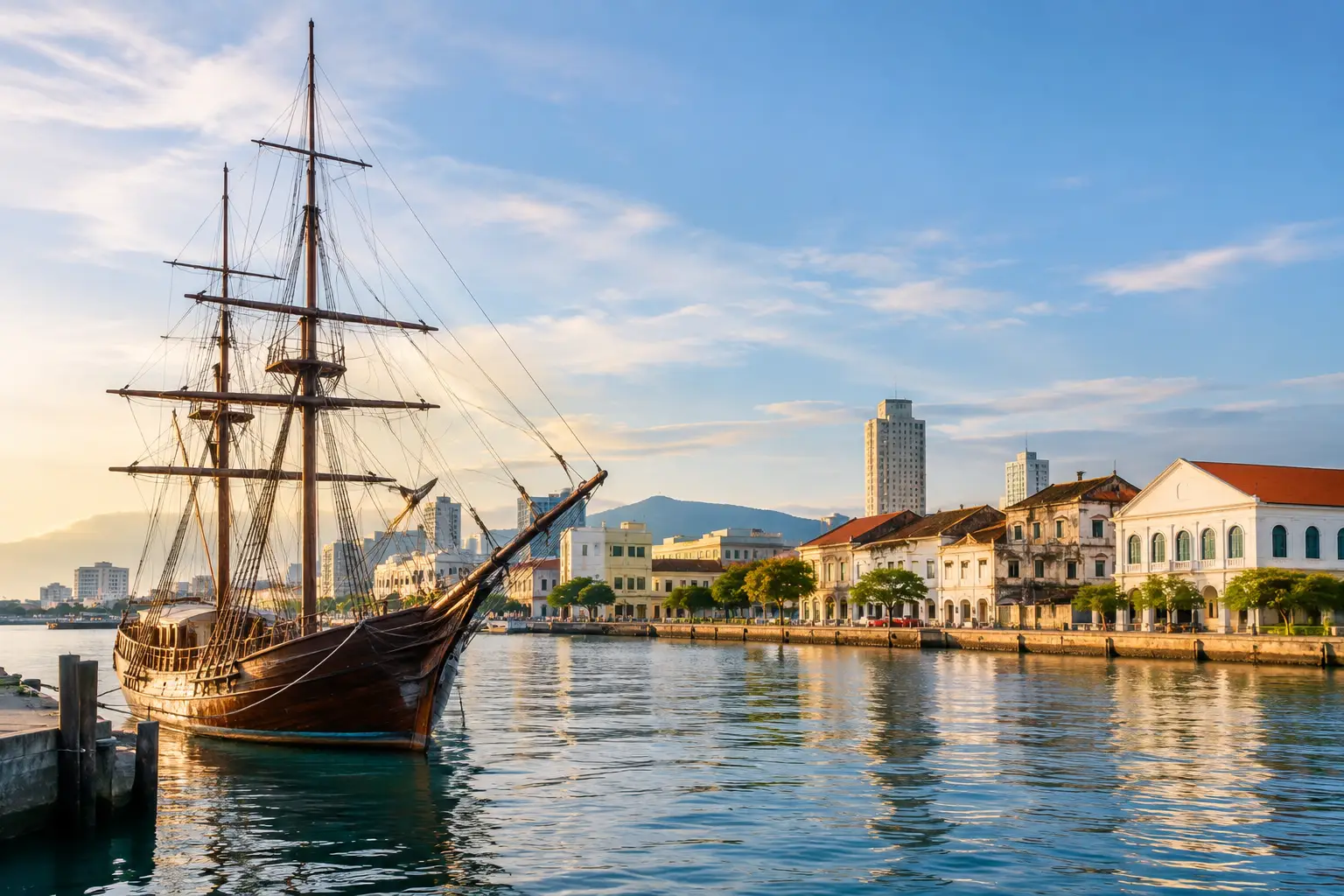
George Town’s historic streets have earned international attention for their distinctive townscape, but the city’s importance has always extended beyond its façades. Penang grew through the sea. Its communities, cuisines, languages, beliefs and commercial traditions were shaped by vessels arriving from China, India, the Malay Archipelago, Europe and beyond. To understand the city properly is to look from its shophouses towards the Straits of Malacca.
What UNESCO Recognition Really Means
UNESCO World Heritage status is often treated as a badge of distinction, and it is certainly that. It signals that a place has cultural or natural value considered important to humanity as a whole. For George Town, the recognition shared with Melaka in 2008 reflects an exceptional historic trading settlement, where centuries of migration and commerce formed an urban culture unlike any other in the region.
But recognition is not the same as preservation. A World Heritage listing does not freeze a city in time, nor should it. Historic places remain meaningful when people inhabit them, work in them, worship in them and pass their stories on. A quiet street with carefully restored buildings but no local life is less persuasive than one where a coffee shop opens at dawn, a clan association maintains its traditions, and a family business still knows its regulars.
That is the delicate task of heritage stewardship. Buildings require conservation, of course, but so do the relationships between people, place and memory. Change is inevitable in a successful destination. The question is whether change respects the character that made the place worth protecting.
A designation with responsibilities
UNESCO recognition brings visibility, tourism and renewed interest in conservation. These can be powerful advantages. Visitors often arrive with greater curiosity, while owners and institutions may find stronger reasons to care for historic fabric that could otherwise be lost.
There are trade-offs. Popularity can put pressure on old neighbourhoods through rising rents, busy streets and the temptation to favour surface-level spectacle over substance. A heritage city must welcome visitors without becoming a stage set designed only for them. The most thoughtful experiences give travellers access to real history while allowing residents to remain at the centre of their own city.
George Town Was Built by the Sea
The Straits of Malacca have long been one of the world’s most consequential waterways. This narrow passage linked the Indian Ocean with the South China Sea, turning the Malay Peninsula into a meeting point for goods, knowledge and people. Ships carried spices, textiles, timber, tea, metals and ceramics. They also carried religious ideas, culinary customs, artistic styles and new ways of speaking about the world.
Penang’s location made it part of this larger maritime system. The island was never merely a stop on a route. It became a place where traders settled, communities established institutions and imported objects acquired new meanings. Chinese porcelain, for example, was prized not only for its craftsmanship but also for its usefulness, status and ritual significance. A dish made for one market could be carried across seas and become part of daily life in another.
This is why the material culture of maritime trade matters. It gives form to histories that can otherwise sound abstract. A blue-and-white vessel, a storage jar or a small cup may reveal how objects travelled between ports and how tastes changed across cultures. Marks, glazes, shapes and decorative motifs can offer clues to date, origin and intended market. Even fragments deserve attention: they are evidence of a journey.
Shipwreck Ceramics Bring the Trade Routes Closer
Maritime archaeology adds an essential dimension to the story of a port city. Shipwrecks are not romantic curiosities resting beneath the sea. They are time capsules of commerce, often preserving cargoes that show what was moving through the region at a particular moment.
The ceramics recovered from Asian shipwrecks offer a remarkably direct connection to the trade networks that shaped Penang and the wider region. A vessel such as the Wanli, Turiang, Royal Nanhai, Nanyang, Xuande or Desaru can reveal the scale and variety of goods transported across dangerous waters. Their cargoes remind us that porcelain was never only decorative. It was a commercial force, a cultural language and, in many cases, an everyday object made extraordinary by survival.
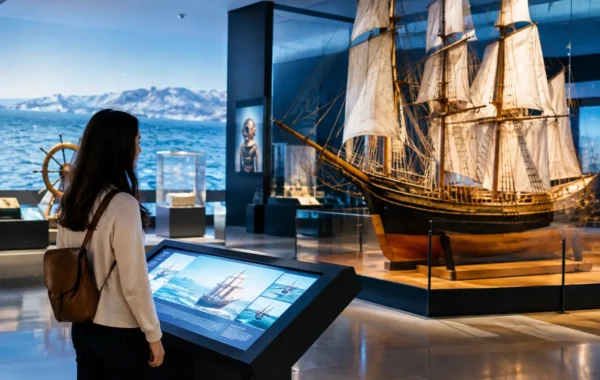
At Straits & Oriental Museum, these artefacts are presented as part of a broader journey through time. The experience is not confined to identifying dynasties or admiring fine surfaces, though both have their place. It invites visitors to consider the hands involved at every stage: the potter who shaped the clay, the painter who applied the motif, the merchant who purchased the cargo, the sailor who faced the crossing and the archaeologist who helped bring its story back into view.
There is also a useful caution in the word “authentic”. Authenticity is not simply a matter of age. It comes from context, careful research and responsible interpretation. A ceramic piece becomes more meaningful when visitors understand where it was found, how it travelled and what it can, and cannot, tell us. Good heritage storytelling leaves room for wonder without inventing certainty where the evidence is incomplete.
UNESCO Heritage Is More Than a Photograph
George Town is wonderfully photogenic, but a meaningful visit asks for more than a well-framed image. Allow time to notice the layers. Observe the five-foot ways that provide shelter from sun and rain. Listen for the different languages heard at a market or food stall. Look at the relationship between religious buildings, family homes, warehouses and shopfronts. These are not isolated attractions. Together, they explain how a trading city functioned.
Museums offer another way to slow the pace. They can place an object before you and make a distant era feel close enough to consider. For families, this creates a valuable bridge between a history lesson and a tangible encounter. For collectors, it offers the chance to look beyond rarity towards provenance, craft and cultural significance. For travellers, it turns an afternoon in George Town into something more enduring than a checklist of sights.
A heritage visit can also include the pleasures that have always belonged to port cities: good food, conversation, craft, art and the unhurried discovery of a neighbourhood. This is not a distraction from culture. In Penang, it is part of the cultural record. The same openness that brought goods into the harbour helped create a celebrated food culture and a city comfortable with complexity.
Keeping the Story Alive
The future of UNESCO-listed heritage depends on attention to detail. It depends on conservation professionals, local communities, business owners, educators, cultural institutions and visitors making choices that value depth over novelty. Buying from independent makers, respecting private homes and places of worship, and taking time to learn the history behind an object are small acts, but they shape the kind of tourism a city receives.
Most of all, heritage should encourage curiosity. When you stand before a shipwreck ceramic or walk through George Town’s historic core, ask where the object, building or tradition came from, who sustained it, and what routes made it possible. The answers will not always be simple. That is precisely what makes Penang’s story worth returning to: every careful look reveals another connection across the water.