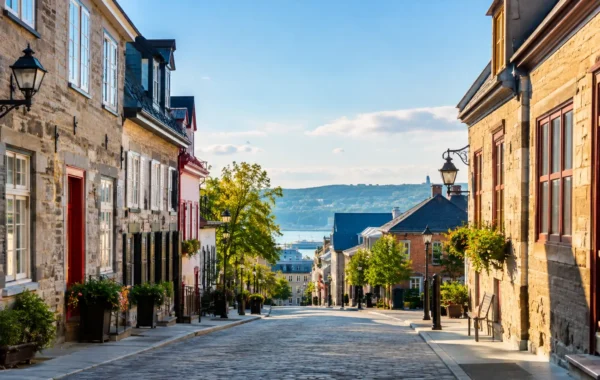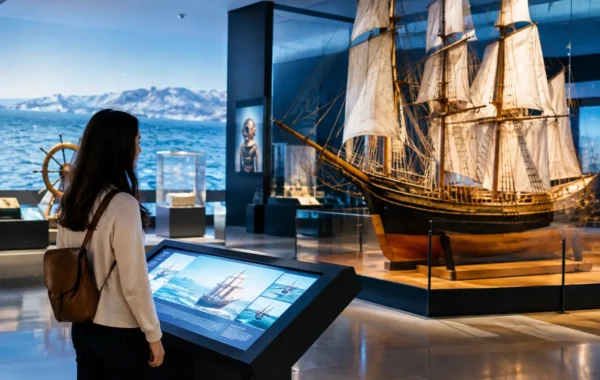
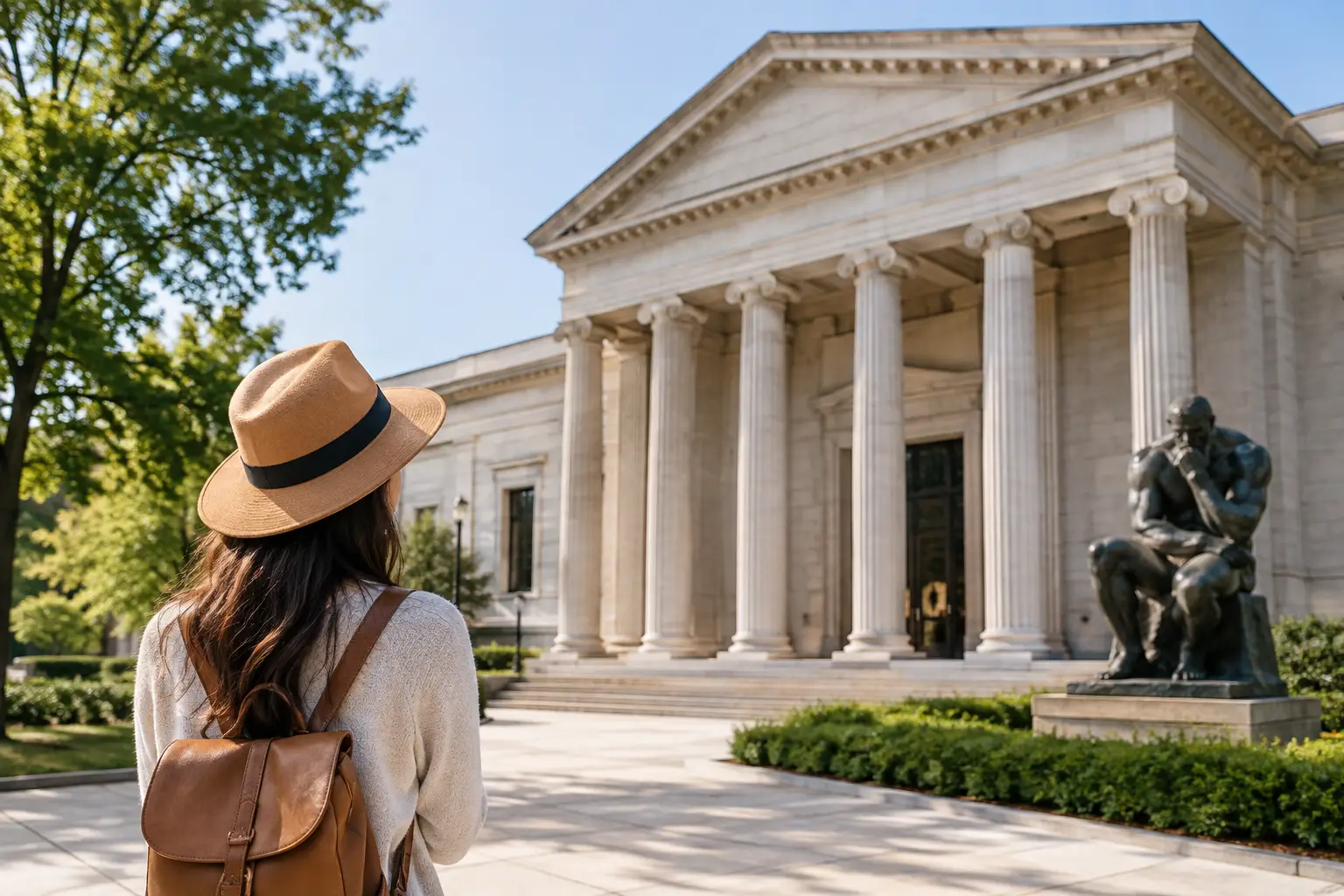

George Town rewards visitors who look beyond its celebrated shophouse façades. The top 5 museums in George Town offer far more than a pleasant break from the tropical heat: they reveal the trade, craftsmanship, migration and political ideas that made Penang one of Southeast Asia’s most compelling historic ports.
This is not a list of attractions chosen simply for photo opportunities. Each museum below offers a distinct way into the city’s story, whether through porcelain retrieved from the seabed, the private world of the Peranakans, a merchant’s grand residence, revolutionary history or the vivid language of batik. Allow time to linger. The most rewarding visits are rarely the quickest ones.
Top 5 museums in George Town for a richer visit
1. Straits & Oriental Museum
For a perspective that begins at sea, Straits & Oriental Museum is a landmark choice. Its collection centres on authentic porcelain and ceramic artefacts recovered from historic Asian shipwrecks, bringing the maritime routes that connected China, Southeast Asia and the wider world into vivid focus.
A bowl, jar or plate may appear delicate behind glass, but its journey is immense. These objects survived long passages aboard trading vessels, only to rest beneath the water for centuries before their recovery. The museum’s displays invite visitors to consider porcelain not merely as decorative art, but as evidence of taste, commerce, technology and cultural exchange across the region.
This is particularly meaningful in Penang, whose identity has always been shaped by the movement of people and goods. The experience extends beyond a conventional gallery visit, with art, hospitality and a gift house contributing to a fuller cultural outing. It suits collectors and history enthusiasts especially well, while remaining accessible for families and first-time museum-goers.
2. Pinang Peranakan Mansion
Few places convey the colour and confidence of Peranakan culture as immediately as Pinang Peranakan Mansion. Housed in a lavishly furnished heritage home, it introduces the world of the Baba-Nyonya community through textiles, jewellery, ceramics, carved furniture and domestic spaces arranged with theatrical richness.
The mansion is valuable precisely because it is not austere. Its rooms communicate how a prosperous Straits Chinese household looked, entertained and presented itself. European-influenced furnishings sit alongside Chinese craftsmanship and Malay cultural references, reflecting the layered identity that developed in the trading settlements of the Straits.
Visitors with an interest in interiors will find plenty to admire, but the deeper pleasure lies in the social history. Look closely at the marriage customs, dining traditions and objects of everyday refinement. They reveal a community that developed its own distinctive language of family life and ceremony.
3. Cheong Fatt Tze, The Blue Mansion
The Blue Mansion is one of George Town’s most recognisable buildings, yet its appeal goes well beyond its striking indigo exterior. Built for the influential merchant Cheong Fatt Tze, it is best experienced through a guided visit, where the architecture and the life behind it are given proper context.
The house brings together Chinese principles of planning, local materials and Victorian-era influences. Its courtyards, timberwork, tiles and carefully considered airflow demonstrate how an elite residence could be both impressive and responsive to Penang’s climate. This is architecture with a human purpose, rather than a collection of decorative details.
The guided format is a strength, though it does mean spontaneity is not always possible. If this is high on your list, reserve a suitable time early in your itinerary. Those who prefer to wander at their own pace may find a collection-based museum more comfortable, but visitors curious about restoration and the lives of the Chinese merchant class should not miss it.
4. Sun Yat Sen Museum Penang
Set within a modest heritage building, Sun Yat Sen Museum Penang offers a quieter but no less significant chapter of the city’s past. The museum is associated with Dr Sun Yat Sen’s time in Penang and the networks that supported Chinese revolutionary activity in the early twentieth century.
Its scale is part of its character. Rather than overwhelming visitors with spectacle, it encourages attention to the city’s role as a meeting point for ideas, communities and political change. George Town was not simply a commercial port. It was also a place where newspapers, associations and overseas connections could influence events far beyond the island.
Choose this museum if you are drawn to political history or want to understand Penang’s place within the wider Chinese diaspora. It pairs especially well with a walk through the old quarter, where the tightly woven streets make the idea of a connected, active community feel tangible.
5. Batik Painting Museum Penang
Batik Painting Museum Penang shifts the focus from historic homes and trade routes to Malaysian artistic expression. Its collection celebrates batik painting as a serious visual art, displaying works that show the remarkable range possible with wax-resist techniques, from intricate natural forms to bold, contemporary compositions.
For visitors who know batik chiefly as a fabric seen in markets or resort wear, this museum can be a welcome recalibration. The finest pieces demand planning, patience and formidable control of colour. They also show how artists have adapted a traditional process to tell modern stories and develop individual styles.
This is often a more compact visit than the mansion museums, making it an excellent choice when time is limited. It is also a thoughtful stop for design-minded travellers, art lovers and families seeking an introduction to a craft that remains central to Malaysia’s cultural imagination.
How to plan a museum day in George Town
Trying to fit all five into one day would turn a cultural holiday into a timetable. Two substantial visits, perhaps with a third shorter stop, is a more satisfying pace. Start with a museum that requires a fixed entry time, such as a guided house tour, then leave room for lunch and an unhurried walk between heritage streets.
A strong pairing depends on your interests. Choose Straits & Oriental Museum and Pinang Peranakan Mansion for a day shaped by objects, trade and domestic splendour. Combine the Blue Mansion with Sun Yat Sen Museum if architecture and the Chinese diaspora are your priorities. Add the Batik Painting Museum when you want art to balance the historical narrative.
George Town’s heat and sudden rain can change the rhythm of a day, so indoor visits are more than a fallback. They are an opportunity to understand what the streets alone cannot explain. Wear comfortable shoes, carry water, and check current opening hours and guided-tour arrangements before setting out, as schedules can vary around public holidays and special programmes.
What makes a museum visit memorable?
The best museum for you depends on the question you bring with you. A collector may be captivated by shipwreck ceramics and their provenance. An architecture enthusiast may prefer a restored residence, while a family may respond most readily to visual colour, rooms that feel lived in and stories attached to real objects.
Do not rush past the labels in search of a single headline photograph. In George Town, the small details often carry the largest stories: a porcelain fragment that crossed an ocean, a beaded shoe made for a wedding, a tiled courtyard designed for shade, or a sheet of batik that transforms wax and dye into movement.
Leave a little space in your day after the final gallery. Sit with a coffee, browse a heritage shop, or simply notice the layers of the street outside. The museums of George Town are at their best when they change the way you see the city around them.