
A heritage outing should not feel like a race between landmarks. The most rewarding days leave room to notice the carved timber above a shophouse door, the changing light on an old quay, or the unexpected detail in a piece of porcelain. Learning how to plan heritage outings well is less about fitting in every famous site and more about arranging a day around stories that deserve your attention.
In a historic city, the places are only part of the experience. The streets between them, the food nearby, the people you share the day with and the pauses you allow yourself all shape what you remember. A considered itinerary turns heritage from a list of sights into a genuine encounter with place.
Begin with one story, not a long checklist
Every successful heritage outing needs a theme. Without one, even a beautiful old quarter can become a blur of façades, captions and photographs. Choose a thread that gives the day purpose: maritime trade, faith and migration, colonial architecture, craft traditions, family history, or the evolution of a neighbourhood.
This does not mean every stop must tell exactly the same tale. It means each stop should add a different chapter. A morning spent understanding the sea routes that connected Asia, for example, can be followed by a walk through commercial streets shaped by those same networks, then a meal that reflects the region’s layered culinary history.
For families, a theme is particularly useful. Children often respond more readily to a question than to dates: What arrived by ship? Who lived above these shopfronts? How did people make, trade and use these objects? Give them a small mystery to pursue and the outing becomes more engaging for everyone.
How to plan heritage outings around time and energy
Ambition is admirable, but heritage is best absorbed at a measured pace. Plan two substantial experiences for a half-day outing, or three for a full day, with time between them. A museum visit, a district walk and a leisurely lunch may sound modest, yet it leaves space for conversation, photographs and discoveries that cannot be scheduled.
Start with the place that needs your sharpest attention. Museums, galleries and interpretive sites are often best visited early, when the mind is fresh and the rooms are quieter. Save outdoor wandering for later, when you can follow your curiosity without watching the clock too closely.
Heat, rain and walking distance matter, especially in Penang’s tropical climate. Build in a sheltered pause during the warmest part of the day. A café, restaurant or shaded gallery is not a detour from cultural discovery. It is part of the rhythm that makes a heritage day pleasurable rather than exhausting.
Travellers with limited mobility, prams or young children should check practical access before setting out. Historic buildings can have uneven floors, narrow entrances or stairs that are integral to their character. A little preparation avoids disappointment and makes it easier to choose an itinerary that feels welcoming from beginning to end.
Leave room for the unplanned
The finest moment of the day may be an unlisted one: a craftsman at work, a conversation with a guide, an old sign noticed on a side street, or a local recommendation for a dish you would otherwise have missed. Keep at least an hour unallocated on a full-day itinerary.
This is also why it helps to group stops by area. Spending the day crossing a city to tick off distant attractions weakens the sense of place. Stay within one historic precinct where possible and let the streets provide the connections between formal visits.
Choose places with authentic objects and clear interpretation
Not all heritage experiences offer the same depth. Some are visually impressive but lightly interpreted; others reward a slower visit with original artefacts, research and stories that connect local history to a wider world. The right balance depends on your group.
If you are travelling with first-time visitors, combine an accessible introduction with one more specialised stop. If you are an enthusiast or collector, allow longer for institutions with well-documented collections and knowledgeable staff. Authentic objects have a particular power when their journeys are clearly told. A ceramic bowl recovered from a shipwreck is not simply beautiful – it can reveal routes of exchange, taste, technology and the hazards of travel across centuries.
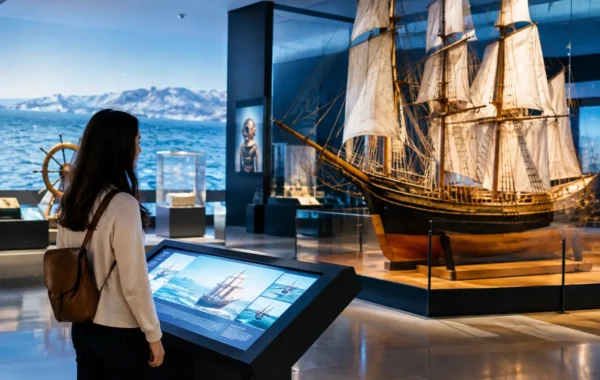
At Straits & Oriental Museum, shipwreck ceramics provide precisely this kind of encounter. The collections invite visitors to consider the maritime networks that carried porcelain through Southeast Asia, while the wider setting allows the visit to continue over food, refreshments and conversation. It is an example of why a heritage destination can be more memorable when culture and hospitality are thoughtfully brought together.
Before you go, look beyond opening hours. Find out whether guided tours, temporary exhibitions, demonstrations or talks are taking place. A special programme can offer the human context that turns a good visit into a lasting one. Equally, do not force an event into your schedule if it makes the entire day hurried. The best choice is the one that complements your theme and leaves enough time to enjoy it.
Make meals part of the cultural itinerary
A heritage outing deserves more than a convenient meal between stops. Food is evidence of movement, exchange and adaptation. Ingredients travelled by sea, recipes crossed households and communities, and dining customs changed alongside trade and migration.
Choose a place with a connection to the district, whether that means a historic setting, regional cooking or a menu that encourages you to try something unfamiliar. Lunch can become a natural moment to compare impressions. What did you see in the morning? Which object or building prompted the most questions? What might have travelled through this port, and what remains rooted here?
There is a trade-off, of course. The most celebrated dining rooms may require reservations and a more formal timetable, while spontaneous food stalls offer flexibility and immediacy. For a special occasion, reserve one considered meal and keep the rest of the day loose. For an exploratory day, let appetite guide you, but have a few options in mind.
Prepare lightly, then look closely
Research should sharpen anticipation, not turn you into a distracted visitor. Read enough to understand the basic historical context, note the places you genuinely want to see, and save deeper reading for later. Arriving with too many facts can make it tempting to search for confirmation rather than respond to what is in front of you.
A few simple preparations are usually enough: comfortable shoes, water, weather protection, a charged mobile phone or camera, and a small notebook if you enjoy recording impressions. Bring a bag with room for exhibition catalogues or meaningful gifts, but resist buying souvenirs simply because they are available. The best memento is one that extends the story you encountered, whether it is a book, a locally made object or a carefully chosen postcard.
Photography deserves some restraint. Take the establishing image, then put the mobile phone away for a while. Look at the glaze on a vessel, the wear on a threshold, the proportions of a courtyard or the way a street is used today. Heritage survives not only in preserved objects but in the relationship between past and present.
End with a moment to reflect
Do not let the outing end at the final exit. Set aside time for a drink, dessert or quiet seat where everyone can name one thing they noticed and one question they still have. This is especially valuable when visiting with children or guests from overseas, because it gives personal meaning to the history you have shared.
You might leave with an unexpected connection: a greater appreciation for the journeys behind everyday objects, a new understanding of a community, or a desire to return and follow a different thread. That is the mark of a well-planned heritage outing. It does not claim to show you everything. It gives you enough time, context and pleasure to want the story to continue.