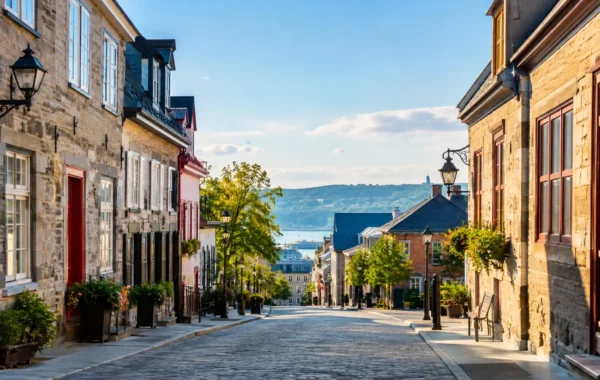


Penang’s heritage is often introduced through shophouses, temples and street food, but Baba and Nyonya Culture in Penang tells a more intimate story – one shaped inside family homes, around dining tables, and through objects made to be used and cherished. It is a culture of refinement, adaptation and memory, where Chinese ancestry met local Malay influences and evolved into something distinctively Straits-born.
To understand this culture properly, it helps to move beyond the postcard version. The Peranakan community, often referred to as Baba for men and Nyonya for women, emerged from centuries of exchange across the Straits. Traders settled, families formed, and customs were absorbed rather than simply borrowed. What developed was not a passing blend but a deeply rooted way of life with its own language, etiquette, cuisine, dress and decorative arts.
What defines Baba and Nyonya culture in Penang?
In Penang, Peranakan identity has long carried the marks of the island’s role as a port city. This matters because trade did not only move goods. It moved tastes, techniques, beliefs and materials. A Penang Peranakan household might feature Chinese porcelain, Malay culinary traditions, European-influenced furniture and locally adapted textiles, all existing comfortably within the same domestic world.
That layered identity is one of the culture’s great strengths. It resists neat labels. Baba Malay, for instance, is a creole language that reflects generations of cultural exchange. Nyonya cuisine carries Chinese foundations but uses local herbs, spices, tamarind, coconut milk and chilli with remarkable confidence. Even formal wear tells a story of adaptation, with embroidered slippers, fine beadwork and the kebaya standing as symbols of taste, craftsmanship and social standing.
A culture best understood through daily life
The finest way to appreciate Baba and Nyonya Culture in Penang is to look at how beauty was woven into ordinary routines. Ceramics, lacquerware, furnishings and household objects were not merely decorative. They communicated status, family values and cultural belonging. Dining rituals, festive tables and wedding preparations all revealed an exacting attention to presentation.
This is also why material culture matters so much. A porcelain serving set or a delicately patterned bowl can say a great deal about trade routes, aspiration and domestic life. In Penang, where maritime exchange shaped the island’s fortunes, these objects become part of a wider regional story. They connect the Peranakan home to seaborne networks that carried fine wares, ideas and influence across Asia.
For visitors with an eye for heritage, this is where the subject becomes especially rewarding. Peranakan culture is not only visible in architecture or cuisine. It lives in craftsmanship, collecting traditions and the enduring appeal of objects that carry both utility and elegance.
Food, ceremony and the art of hospitality
If there is one gateway into Peranakan culture for most travellers, it is food. Yet Nyonya cuisine deserves more than a quick label as a fusion tradition. It is exacting, labour-intensive and deeply tied to family transmission. Spice pastes are built patiently. Recipes are remembered by hand and instinct. Signature dishes often balance sweetness, sourness, heat and fragrance in ways that feel both complex and comforting.
Hospitality sits at the centre of this culinary world. Meals are social, generous and often ceremonial. The table becomes a place where ancestry, celebration and household pride all meet. That sense of occasion mirrors a broader Peranakan sensibility in which entertaining guests is an expression of grace and cultural confidence.
Ceremony matters just as much. Birthdays, weddings, New Year observances and ancestral practices all carry visual and symbolic richness. Textiles, jewellery, serving pieces and heirloom objects are brought into use not simply for display, but to honour continuity. These traditions can evolve over time, of course. Some customs are kept in full, others in fragments. What remains powerful is the emphasis on family memory and the careful preservation of meaning.
Why this heritage still matters now
Peranakan culture in Penang is admired today because it is beautiful, but beauty is only part of the story. Its real significance lies in how it reflects the island’s long history of encounter and exchange. In a place shaped by arrivals, departures and maritime commerce, the Baba and Nyonya community stands as a vivid example of how cultures can meet and create something lasting.
That does not mean the culture has remained unchanged. Modern life has altered language use, domestic habits and community structures. Some traditions are now sustained more through restoration, curation and revival than through uninterrupted everyday practice. That is not a weakness. It simply means heritage must be actively cared for.
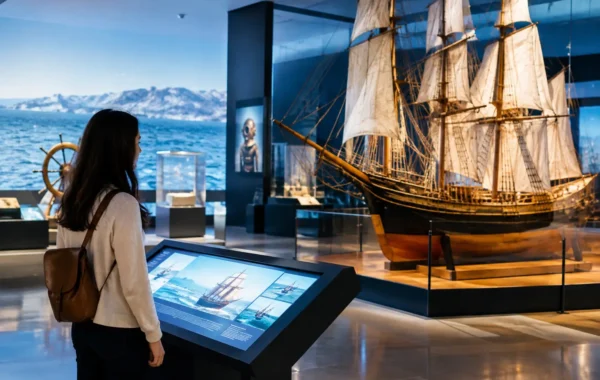
For that reason, thoughtful cultural spaces have an important role to play. Institutions such as Straits & Oriental Museum help place Penang’s layered past in context, showing how objects, trade and storytelling reveal the splendour of regional history. When visitors encounter ceramics, decorative arts and maritime narratives side by side, the world that shaped Peranakan life becomes easier to grasp.
Baba and Nyonya culture remains one of Penang’s most compelling inheritances because it turns history into something tangible – tasted in the kitchen, seen in design, heard in language and preserved in treasured objects. To encounter it well is to see Penang not as a static heritage city, but as a place where exchange created lasting elegance.