
A porcelain bowl recovered from the sea asks more of us than a quick glance. Its glaze, shape and painted surface hold clues to the hands that made it, the people who bought it and the ship that carried it across Asia. At Straits & Oriental Museum, Chinese and Oriental art learning begins with this direct encounter: not art as an abstract subject, but material evidence of a rich maritime world.
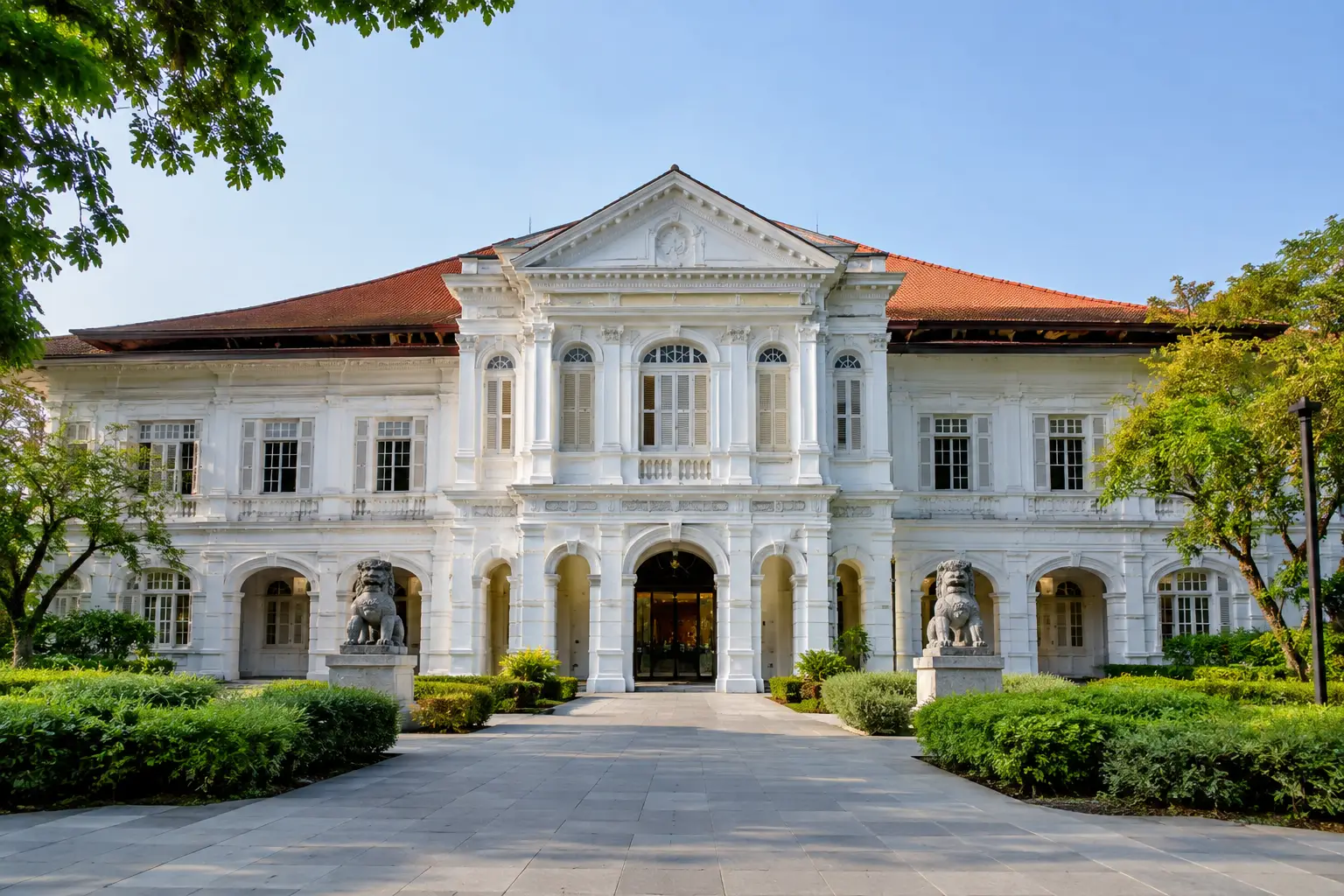
In George Town, where heritage has always been shaped by exchange, the museum brings together rare shipwreck ceramics and the stories behind them. Each object is beautiful in its own right, yet its greater power lies in context. A vessel fragment or intact porcelain dish can reveal how ideas, tastes and technologies travelled across seas long before modern borders and global supply chains.
Chinese and Oriental Art Learning Through Objects
Chinese ceramics can seem intimidating to a first-time visitor. Dynasties, reign marks, kilns and specialist terms have a place in serious study, but they need not stand between anyone and appreciation. Begin with what is visible. Look at the weight of a bowl, the colour of its glaze, the confidence of a brushstroke and the small signs of use that turn an artefact into a human object.
Then ask a more revealing question: why was this piece on a ship? Ceramics were not made solely for imperial courts or private collections. They were traded, commissioned, adapted and desired by communities across Southeast Asia and beyond. The forms that travelled were often practical as well as refined – dishes for shared meals, jars for storage, ewers for pouring, and bowls for everyday rituals of hospitality.
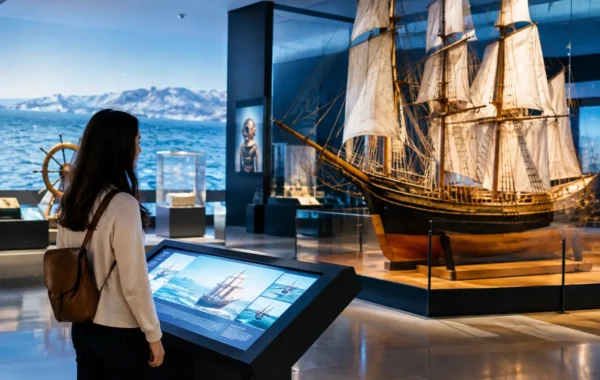
This is where shipwreck archaeology changes the learning experience. A gallery may show porcelain at its most polished, but a maritime collection also shows movement. Objects from the Wanli, Turiang, Royal Nanhai, Nanyang, Xuande and Desaru shipwrecks speak of cargoes assembled for distant markets. They invite visitors to see Chinese ceramics not as isolated masterpieces, but as participants in a far-reaching network of commerce and cultural exchange.
A lesson in looking before naming
The most rewarding museum visits do not depend on recognising every period at once. Spend time with one object before reading its label. Notice whether its decoration is spare or crowded, whether its colour is cool and restrained or richly expressive, and whether its form appears designed for ceremony, trade or daily use.
Only afterwards should the interpretive story deepen your first impression. A cobalt-blue motif may point towards the enduring appeal of blue-and-white porcelain. A celadon glaze can open a conversation about kiln mastery, changing taste and the subtle visual language of green. A vessel made for export may differ from one made for domestic use, reminding us that artistic traditions have always responded to audiences.
Learning in this way is both accessible and rigorous. It encourages children, casual visitors and seasoned collectors to trust their eyes, while also recognising that a museum label, excavation record and historical context can reveal what the eye cannot.
Why Maritime History Makes Art More Meaningful
A shipwreck collection offers a rare kind of perspective. On land, an object is often separated from the system that carried it. Underwater discoveries preserve the relationship between cargo, vessel and route. The result is a more vivid picture of the seas as cultural highways.
For centuries, the waters around the Malay Archipelago connected China with ports in Southeast Asia, South Asia, the Middle East and Europe. Penang belongs to this wider maritime story. Its position within the Straits of Malacca makes it an especially fitting place to encounter objects whose journeys depended on monsoon winds, skilled navigators and busy entrepôts.
That context matters because it shifts the way visitors understand the word “Oriental”. Rather than treating Asia as one undifferentiated aesthetic category, the collection encourages closer attention to the many cultures involved in trade. Chinese artisans made much of the porcelain, but merchants, sailors, patrons and households across the region gave those wares new lives and meanings.
There are trade-offs in any museum display. A permanent collection cannot recreate every port, voice or historical encounter connected to a shipwreck. Nor can an object label tell the full story of every maker. Yet authentic artefacts offer something no screen can replicate: the scale, texture and presence of an object that has survived centuries beneath the sea.
From Porcelain to a Wider Cultural Conversation
The strongest art learning does not stop at attribution. A visitor who understands the difference between a glaze and an enamel has gained useful knowledge; a visitor who begins to recognise how food, ritual, status and trade shaped an object has gained a deeper one.
Consider the familiar act of dining. Ceramic vessels carry histories of what people ate, how they gathered and what they considered worthy of display. Export porcelain also reveals how makers adjusted to different preferences across markets. Decorative motifs, shapes and production choices were never simply ornamental. They responded to demand, belief and the practical realities of life at sea and on shore.
This makes Chinese and Oriental art learning particularly rewarding for families. Children can follow the drama of a lost vessel and recovered treasure, while adults can consider the wider history of design and exchange. For collectors, the experience offers a disciplined reminder that beauty, provenance and condition should be considered together. For travellers, it turns a cultural outing into a clearer understanding of the region they are visiting.
The value of slowing down
A museum visit need not be completed at speed. Choose a small number of pieces and give each one proper attention. Compare two bowls from different cargoes. Ask why one is painted while another relies on the quiet sophistication of its glaze. Look for repetition in motifs and forms, then consider what those repeated choices suggest about the market that awaited them.
Photography can help visitors remember details, where permitted, but it should not replace looking. The most memorable discoveries often come from pausing long enough to notice a firing flaw, a delicate foot ring or a pattern that becomes clearer when viewed from another angle.
At Straits & Oriental Museum, this pace is supported by a setting that extends beyond the conventional gallery. As Malaysia’s first integrated heritage and lifestyle museum, it places historical discovery alongside exhibitions, hospitality and thoughtful retail. The combination is not a distraction from the artefacts when approached with care. It allows a visit to unfold as a full cultural occasion, with time to reflect, discuss and carry a new question into the rest of the day.
How to Make a Visit More Rewarding
Arrive with curiosity rather than a checklist. If you already know Chinese porcelain, focus on the maritime evidence and ask what the shipwreck context adds to your understanding. If the subject is new, begin with forms and colours before attempting dates or terminology.
It also helps to notice connections beyond the display case. Think about the ceramics used in the café, the objects sold in the gift house, or the food culture of Penang itself. These are not identical to historical shipwreck wares, of course, but they can make the enduring relationship between craft, trade and hospitality easier to feel.
A meaningful visit is not measured by how many labels you read. It is measured by the questions you leave with: Who made this? Who wanted it? What sea route did it follow? Why has it endured? Those questions turn porcelain from a decorative surface into a record of human ambition, skill and connection.
Before leaving, return to the one object that held your attention longest. Look at it again with the story you now know. The vessel has not changed, but your way of seeing it has – and that is where lasting learning begins.