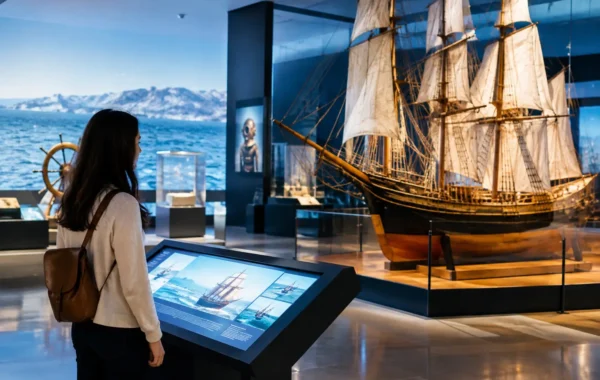
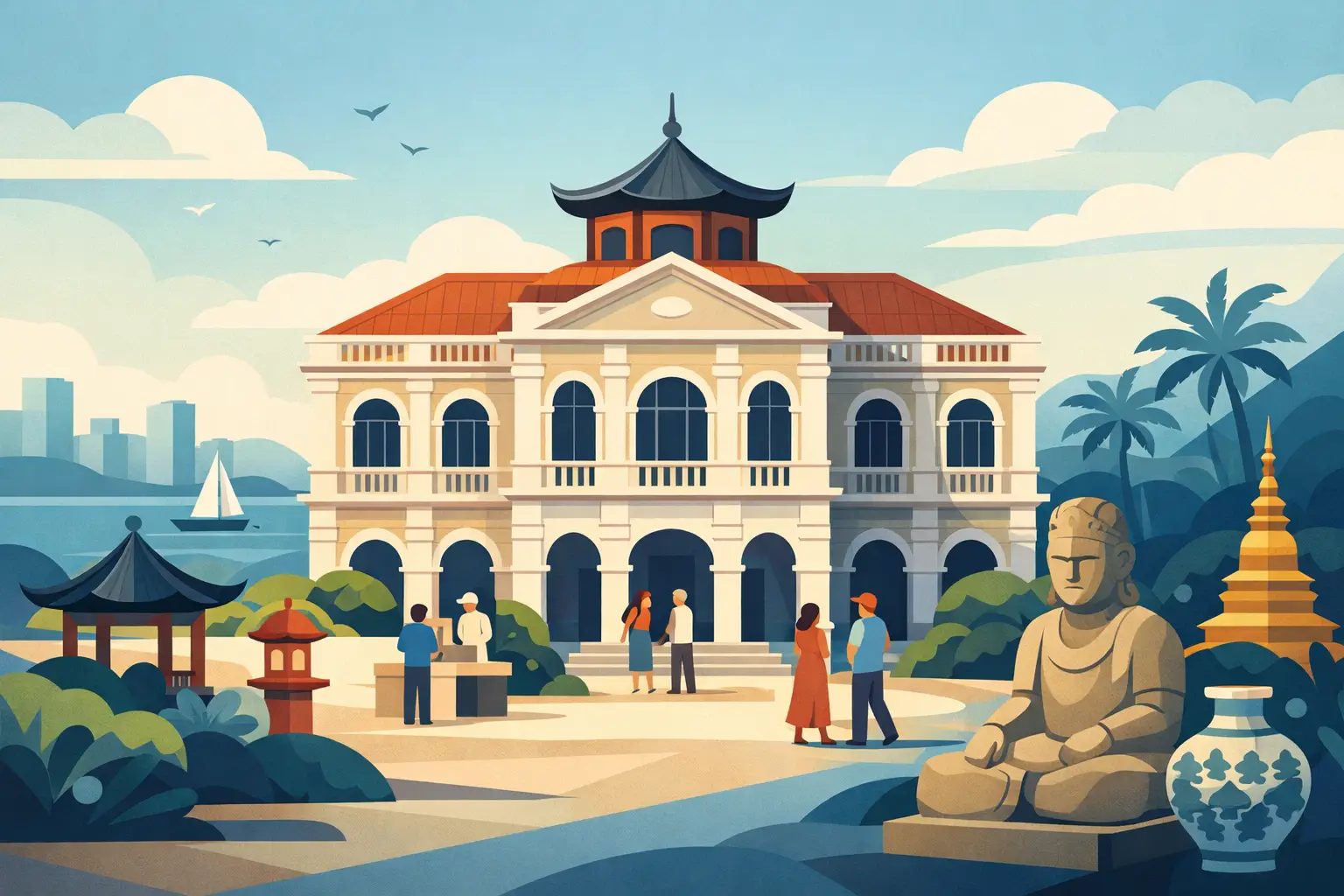

A museum visit can be many things, but it rarely becomes a complete cultural outing. That is what makes Straits and Oriental Museum As a cultural showcase and exchange centre such a compelling idea. Rather than asking visitors to separate history from leisure, scholarship from hospitality, or artefacts from atmosphere, it brings them together in one place with unusual confidence.
At its heart is a remarkable proposition: a heritage destination built around maritime history and authentic shipwreck ceramics, presented not as a quiet archive alone but as a living cultural environment. For visitors who want more than a brief walk through display cases, this matters. It turns time spent at the museum into something fuller – part discovery, part conversation, part refined day out.
Why a cultural showcase needs more than display cases
A true cultural showcase does not simply present objects. It gives them context, scale and emotional presence. In this setting, porcelain and ceramic artefacts recovered from historic Asian shipwrecks are not treated as isolated treasures. They become evidence of trade, taste, migration, craftsmanship and maritime risk across centuries.
That distinction is important. Many visitors are drawn first by visual beauty – the sheen of glaze, the delicacy of form, the fascination of pieces preserved beneath the sea. Yet what lingers is the story behind them. A bowl or jar from a shipwreck speaks of commercial networks, royal demand, everyday life and long-distance exchange between ports and peoples. The museum’s strength lies in making those layers legible without making the experience feel academic or remote.
This is where its role as an exchange centre becomes especially relevant. Cultural exchange is not only a historical theme within the collections. It is also built into the visitor experience itself. People arrive as tourists, collectors, families, art lovers or curious first-time museum-goers, and they encounter heritage through multiple entry points. Some begin with archaeology, others with design, others with food, ambience or conversation. All of them are invited into the same narrative space.
Straits and Oriental Museum as a cultural showcase and exchange centre
The phrase is not a slogan alone. It describes a model that is still rare in the region. The museum functions as a place where heritage is displayed, interpreted and shared, while also being supported by art, dining, exhibitions and lifestyle elements that encourage people to stay longer and engage more deeply.
That integrated character changes the rhythm of a visit. Instead of moving briskly from one gallery to the next and leaving within the hour, guests can build an experience around the collections. They may spend time with maritime artefacts, continue into an art-led or exhibition space, pause over a meal or coffee, browse the gift house, and return to the displays with fresh attention. This is not a distraction from heritage. Done well, it is an extension of it.
There is also a practical truth behind this approach. Cultural institutions thrive when they become places people genuinely want to revisit. A museum that offers atmosphere, hospitality and changing points of interest is more likely to become part of a traveller’s itinerary and a local’s cultural life. That makes it not merely a venue for preservation, but a living destination.
The power of shipwreck ceramics in telling Asia’s maritime story
The most distinctive element of the museum is its concentration on ceramics recovered from notable shipwrecks such as the Wanli, Turiang, Royal Nanhai, Nanyang, Xuande and Desaru. These are not generic antique displays. They are fragments of major maritime histories, each tied to trade routes, cargo movements and the material ambitions of their age.
Shipwreck ceramics carry a particular drama because they were never meant to become museum pieces. They were commodities in motion, packed for transport, commissioned for use or exchange, and lost in transit. Their survival gives them a dual value: artistic and archaeological. Visitors are not only seeing beautiful objects. They are seeing cargo interrupted by disaster and preserved by circumstance.
This gives the museum a strong point of difference for both cultural tourists and serious collectors. For the general visitor, the collection offers a rare chance to encounter history in tangible form, with all the romance and intrigue of the sea attached to it. For the more informed audience, the specificity of the shipwreck sources adds credibility and depth. Provenance matters. So does the opportunity to view pieces within a setting designed to honour their significance.
More than a museum, less ordinary than a lifestyle venue
Integrated heritage destinations can sometimes risk becoming vague – neither rigorous enough for cultural audiences nor distinctive enough for leisure visitors. The success of this concept depends on balance. Here, the heritage core remains clear. The museum is not using history as decoration. It is building a visitor environment around a substantial collection with strong historical weight.
That said, the lifestyle dimension is not incidental. Restaurant and café concepts, bar offerings, gallery spaces and a gift house help shape the mood of the place. They allow the museum to meet contemporary expectations without flattening its identity. Visitors today often seek experiences that feel curated rather than compartmentalised. They want to learn, but they also want comfort, beauty and a sense of occasion.
For families, this can make a visit easier to plan and more enjoyable across age groups. For travelling couples, it creates a venue that feels both meaningful and elegant. For international guests exploring heritage-rich destinations, it offers a way to spend several hours in one setting without sacrificing variety. For collectors and enthusiasts, it provides a more social and hospitable context in which to encounter rare material.
Why this model suits George Town so well
A museum centred on maritime exchange, porcelain and layered cultural storytelling feels particularly resonant in a historic port city. George Town has long been defined by movement – of goods, people, languages, tastes and artistic influences. A museum devoted to shipwreck ceramics and maritime heritage does more than add another attraction to the map. It reflects the deeper character of the place.
That alignment matters for visitors choosing where to spend their time. Heritage experiences are strongest when they feel rooted rather than portable. You should sense that the museum belongs exactly where it stands. In this case, the subject matter and the setting strengthen one another. A journey through trade, sea routes and Asian material culture feels especially vivid within a city shaped by those same currents.
What visitors gain from the exchange-centre experience
The word exchange can sound abstract, yet here it becomes tangible. Visitors exchange passive observation for participation. They exchange a single-purpose museum stop for a richer itinerary. They exchange quick consumption for a slower, more rewarding encounter with heritage.
There is also an intercultural dimension. International travellers may arrive with limited knowledge of Asian maritime archaeology, while regional visitors may connect with the porcelain traditions, trade histories or collecting culture from a different angle. The museum creates a space where these perspectives can meet. That is one of the quiet strengths of a well-curated institution: it lets people with different backgrounds stand before the same object and find distinct but connected meanings.
In commercial terms, this integrated model is intelligent. In cultural terms, it is even more valuable. It recognises that heritage becomes stronger when it is woven into public life rather than separated from it. A meal after a gallery visit, a conversation over a rare ceramic form, an exhibition that sends a visitor back into the permanent collection with new questions – these moments build cultural memory.
A destination for those who want depth with atmosphere
Some visitors want a quick attraction. Others want a place that justifies their time, attention and curiosity. This museum speaks most strongly to the second group. Its appeal lies in rarity, yes, but also in composition. The collections, the storytelling and the surrounding hospitality work together to create a visit that feels layered and self-assured.
That is why the idea of Straits and Oriental Museum As a cultural showcase and exchange centre deserves attention. It captures a shift in what a museum can be when heritage is treated not as static inheritance but as something to be shared, interpreted and experienced with care. For anyone drawn to maritime history, porcelain, art or the pleasure of discovering culture in a more refined setting, this is the kind of place that rewards unhurried time.