
A porcelain bowl raised from the sea carries more than colour, craft and age. It carries the evidence of a voyage interrupted, the ambitions of merchants, and the cultural exchanges that shaped Asia’s ports. That is the spirit behind 海峡与东方博物馆引领槟城艺术文化先锋 – a vision of heritage that places maritime history at the centre of a richer, more contemporary cultural outing.
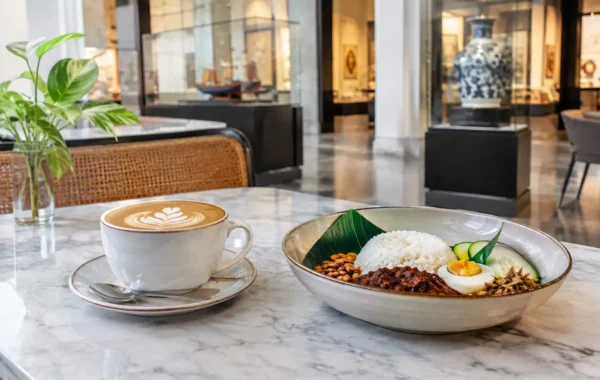
In George Town, where shophouses, clan histories and trading routes have long met, a museum can be more than a quiet room of objects behind glass. It can be a place to encounter the past with curiosity, then remain for an exhibition, a conversation over coffee, a considered meal or a gift with a story. This is the proposition that gives the Straits & Oriental Museum its distinctive place in Penang’s cultural life.
Why maritime heritage belongs at the heart of Penang
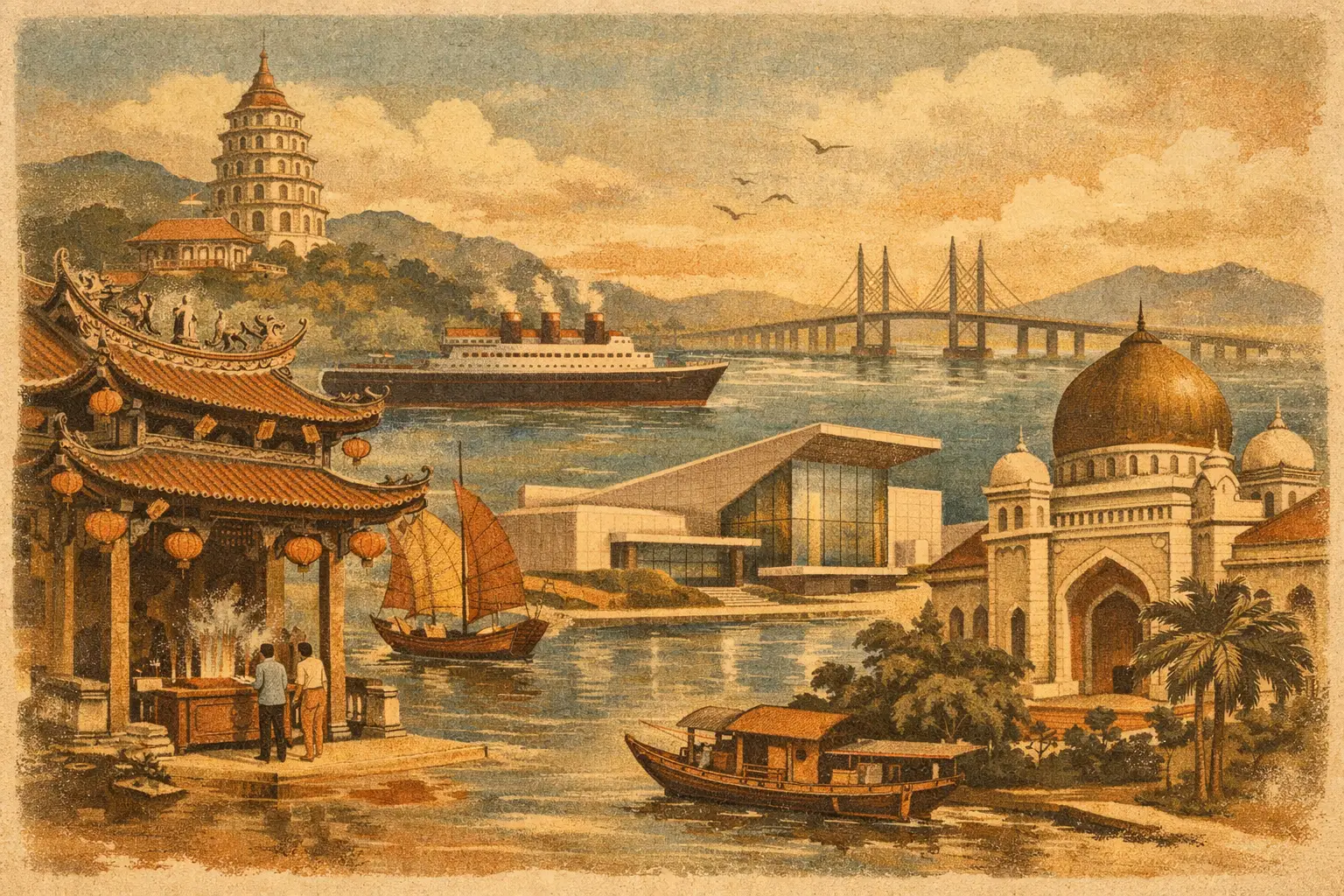
Penang’s history cannot be separated from the sea. Its position along the Straits of Malacca connected the island to traders, travellers and ideas moving between China, Southeast Asia, India and beyond. Long before the modern city became known for its food, architecture and street life, maritime exchange helped create its plural character.
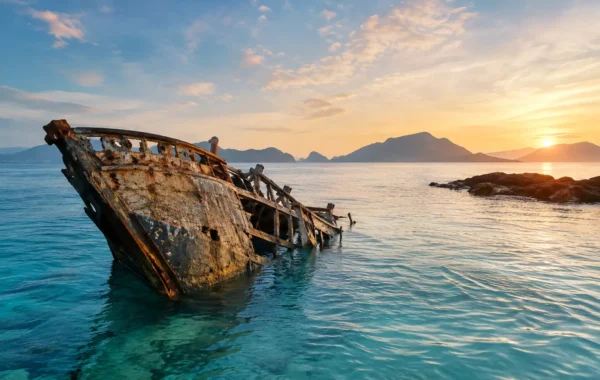
Shipwreck ceramics make this history tangible. A plate, jar or ewer may have been intended for a household thousands of miles from the kiln where it was made. When a vessel sank, its cargo was preserved beneath the water for centuries. Recovered objects offer an unusually direct view of trade: the forms people used, the patterns they valued, the technologies makers refined and the far-reaching markets that sustained them.
The museum’s permanent collection, drawn from significant Asian shipwrecks including the Wanli, Turiang, Royal Nanhai, Nanyang, Xuande and Desaru, turns this vast history into something visitors can see at close range. These are not decorative approximations of a lost world. They are authentic artefacts whose survival gives each encounter weight.
海峡与东方博物馆引领槟城艺术文化先锋的意义
Cultural leadership is not simply a matter of owning rare objects. It lies in creating the conditions for those objects to matter to different audiences. The first-time visitor wants a clear, memorable story. The family visitor needs discovery to feel welcoming rather than dutiful. The collector may look for provenance, craftsmanship and the subtle distinctions between wares. A traveller with only an afternoon in George Town wants an experience that feels unmistakably rooted in place.
An integrated heritage and lifestyle museum responds to all of these expectations without reducing history to a backdrop. The artefacts remain central, but the visit is designed as a fuller cultural experience. A gallery encounter can prompt questions about maritime archaeology; a temporary exhibition can introduce another artistic perspective; a restaurant, café or bar can extend the time spent together; and a gift house can offer a physical reminder of the stories encountered.
There is a careful balance to uphold. Hospitality should make heritage more accessible, not distract from it. Retail should reward curiosity, not turn irreplaceable history into a novelty. When these elements are thoughtfully connected, however, they make a museum visit feel less like an obligation on an itinerary and more like a meaningful part of a day in Penang.
From recovered cargo to living stories
Ceramics are often admired for their beauty, yet their greatest power may be their ability to reveal networks of human connection. A blue-and-white dish can speak of a kiln tradition, but also of shipbuilders, sailors, port communities, merchants and buyers. Its journey is never only Chinese, Malay, Indonesian or European. It belongs to a wider world of exchange.
This is especially compelling in Penang, where heritage is experienced in daily life as much as in formal institutions. Visitors may leave the museum and notice familiar continuities in the city around them: a bowl on a table, an old trading street, the movement of goods through a working port, or the layered languages heard in a busy neighbourhood. The past becomes less distant when it is connected to the rhythms of the present.
The finest museum storytelling does not pretend to answer every question. Shipwreck archaeology includes uncertainty. Cargoes may have changed hands several times; individual pieces may be difficult to attribute with absolute precision; a vessel’s final moments can remain partly unknown. Acknowledging such limits makes the story more compelling, not less. It invites visitors to look closely and consider what material evidence can reveal.
A cultural day that continues beyond the gallery
Many visitors no longer divide a day into separate categories of learning, leisure and dining. They seek destinations that bring these pleasures together with purpose. A museum that welcomes guests into an exhibition space and then offers a place to pause, dine or browse allows culture to unfold at an unhurried pace.
For couples, this can make an afternoon of heritage feel suitably occasioned without becoming formal. Families can move between discovery and rest, which matters when younger visitors are finding their own way into history. International travellers gain a more rounded sense of Penang than a quick photograph outside a heritage building could provide. For collectors, the experience opens conversations around material culture in an environment shaped by care and discernment.
The appeal is not that every visitor must do everything. Some will come principally for the rare porcelain. Others may be drawn by an art exhibition, a meal or the prospect of an elegant cultural stop between George Town’s many historic streets. The strength of the model is choice, with a coherent story tying each element together.
What to look for when viewing shipwreck ceramics
A rewarding visit begins with slowing down. Instead of seeing a room of ceramics as a single impressive mass, look for the details that make an individual object distinctive. Consider its shape: was it made for serving, storage, ritual or daily use? Notice the glaze, painted motifs and signs of firing. These qualities are evidence of both artistic decisions and practical knowledge.
Then consider scale and repetition. A cargo may contain many similar bowls or plates because trade relied on quantities as well as exceptional pieces. Repetition tells its own story about demand, domestic life and the organisation of production. A rare form can be captivating, but an ordinary vessel can be equally revealing when it shows what people across a region wanted to buy and use.
Finally, imagine the journey. How was the piece packed? Which ports might the ship have called at? Who expected to receive it? Such questions transform a beautiful object into a participant in a historical drama that stretched across the seas.
A new standard for cultural tourism in Penang
Penang has never lacked character. Its cultural distinction comes from density: food traditions, religious sites, historic architecture, living communities and creative energy coexist within a compact, walkable world. The opportunity for a landmark museum is to add depth rather than compete for attention.
By presenting maritime archaeological collections within a destination that also embraces art, hospitality and considered retail, the museum offers a model suited to the way contemporary travellers experience culture. It respects the seriousness of the past while recognising that visitors value comfort, beauty and time shared with others.
That approach is particularly valuable for heritage tourism. A memorable cultural visit does more than fill an hour. It gives guests a story they can carry into the rest of their travels: that Penang was shaped not only by what arrived on its shores, but by the sea routes, vessels and objects that connected the region for centuries.
When planning time in George Town, allow enough space to look slowly. The most revealing object may not be the largest or most ornate piece in the room, but the one that makes you picture the hands that made it, loaded it, sought it and, at last, brought it back into view.