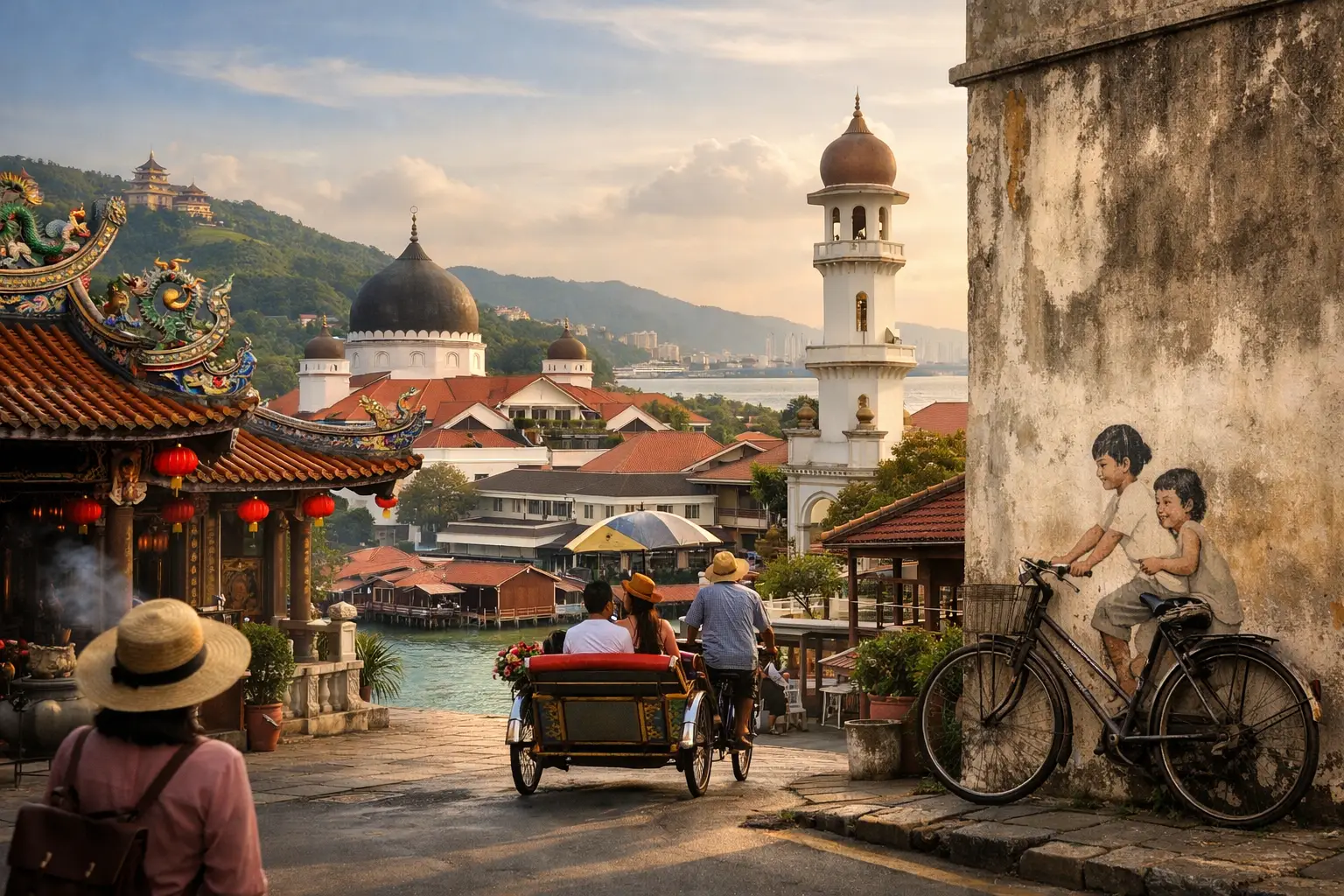

George Town is best understood at a slower pace. Between shophouse façades, temple smoke, hawker stalls and lanes shaped by centuries of migration, the most rewarding Penang tourist attraction is rarely the one that asks you to rush from one photograph to the next. It is the place that gives context to what you are seeing – and lets a holiday become a genuine encounter with the region’s past.
Penang’s appeal has always been larger than any single landmark. This island sits within stories of seafaring merchants, imperial trade, skilled craftspeople and communities arriving from across Asia and beyond. A well-chosen cultural visit can bring these threads together, particularly when the weather turns humid, younger travellers need a change of pace, or you want more from the day than another café stop.
Why a Penang Tourist Attraction Should Tell a Story
The strongest attractions do more than provide a pleasant hour indoors. They reveal why George Town looks, tastes and feels the way it does. Heritage buildings are more compelling when you understand the networks that financed them; porcelain becomes more than a beautiful object when you consider the hands, ships and markets that carried it across the sea.
That is where maritime history matters. The Strait of Malacca was not a distant backdrop to Penang’s development. It was one of the world’s great trading passages, linking China, Southeast Asia, India, the Middle East and Europe. Cargoes moved through these waters alongside ideas, languages, techniques and tastes. The layers of George Town are, in many ways, an onshore expression of that movement.
For visitors with only a short stay, this perspective can be especially useful. Rather than attempting to see every mural, mansion and market, choose experiences that connect the dots. A museum focused on authentic objects can anchor a morning or afternoon, then make the streets, food and architecture outside feel richer afterwards.
Start With Objects That Have Crossed Centuries
Shipwreck ceramics have a particular power because they are both refined and remarkably direct. A bowl, jar or plate may have been made for everyday use or long-distance trade, yet it survived beneath the sea for hundreds of years before being recovered. Its surface can show the finesse of a kiln, the aesthetic preferences of a period and the practical reality of commerce all at once.
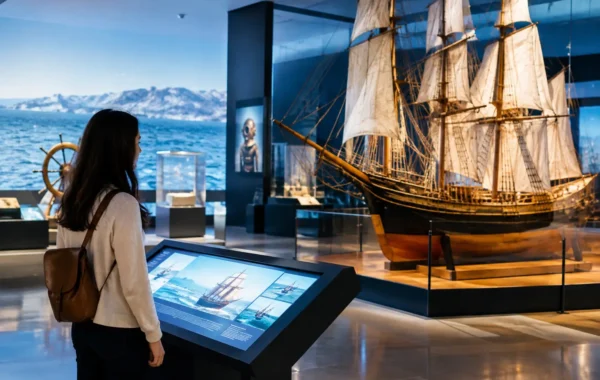
At Straits & Oriental Museum, the permanent collection presents authentic porcelain and ceramic artefacts recovered from significant Asian shipwrecks, including the Wanli, Turiang, Royal Nanhai, Nanyang, Xuande and Desaru. This is not heritage as a vague idea. These are tangible witnesses to the maritime routes that shaped the region.
Take time to look beyond colour and decoration. Notice variation in form: a small vessel made for individual use, a storage jar built for durability, or a dish whose design was intended to appeal across borders. Consider the journey each object began before its ship sank. Such details turn a display into a human story of makers, traders, sailors and households separated by time but connected by the same sea.
The appeal is not limited to committed collectors. Children often respond to the very notion of a shipwreck, while design-minded visitors can appreciate the precision of porcelain and the changing language of motifs. For couples and groups, it creates conversation that is more memorable than simply comparing the day’s photographs.
Let curiosity lead, not a checklist
There is no need to arrive with specialist knowledge of dynasties or ceramic terminology. Begin with the questions that occur naturally. Where might this have been made? Who was expected to buy it? How did it travel? Why does this pattern look familiar, or unlike anything else in the room?
A good heritage experience rewards attention without making visitors feel examined. Read the stories around the objects, pause where something catches your eye and allow the collection to set the pace. If a particular piece fascinates you, stay with it. The most valuable souvenir from a museum is often a new way of looking at the places you visit next.
Make a Cultural Visit Part of the Day
A museum need not be treated as an isolated stop between more ‘lively’ activities. In a city as sensory as George Town, it works best as part of a considered day. Begin in the cooler hours with a walk through the historic quarter, when shutters are opening and the streets have not yet reached their busiest. Then step into a cultural space before lunch, when attention is still fresh.
Afterward, let the experience continue through food, art and conversation. The relationship between trade and dining is not abstract in Penang: spices, tea, ceramics and ingredients all carry their own histories of exchange. A leisurely meal after viewing maritime artefacts can feel like a natural continuation, especially in a setting that regards hospitality and heritage as complementary rather than separate pursuits.
This approach also suits different kinds of travellers. Families can balance learning with refreshment and browsing. International visitors gain an accessible introduction to regional history without needing days of research. Collectors may want to spend longer studying craftsmanship and provenance, while casual holidaymakers can simply enjoy an elegant, air-conditioned pause with a story to take away.
There is a trade-off, of course. Those intent on ticking off every celebrated sight may prefer a quick visit. But travellers who reserve an unhurried hour or two usually leave with more than a list of places seen. They leave with a sense of why Penang became a meeting point for the world.
Look Beyond the Photograph
Penang is deservedly photogenic, but heritage deserves more than a backdrop role. When choosing where to spend your time, look for authenticity, clear storytelling and a reason for the collection to exist here. The difference is felt in the details: artefacts with a real connection to regional history, thoughtful interpretation, and spaces that encourage visitors to linger rather than be processed through.
This is particularly relevant for travellers who have seen many museums. The issue is not whether a venue is large, but whether it offers a distinct point of view. A focused collection can be more affecting than a vast display with no narrative thread. In the case of maritime archaeology, the thread is compelling: objects created on land, carried by sea, lost to the deep and recovered to illuminate a shared cultural past.
A visit can also sharpen your appreciation of contemporary Penang. The island remains a place where cuisines, communities and creative practices meet. Its heritage is not frozen in a display case. It is visible in the ways people eat, trade, worship, make and welcome. Historic objects provide the long view; the city outside supplies the living continuation.
Choose Meaning Alongside Pleasure
The best cultural outings are not austere obligations. They make room for beauty, surprise and enjoyment. Porcelain can be scholarly and visually arresting. Maritime history can be intellectually rich and full of drama. A heritage destination can respect the past while offering a refined place to eat, browse and spend time together.
When planning your next day in George Town, leave space for an attraction that asks for your attention rather than merely your camera. Stand before an object that has travelled through centuries, then return to the street with a better understanding of the waters that brought Penang’s many worlds together.